Blog

2026 Best Types of Girder Cranes for Global Buyers?

Choosing the best Girder Cranes in 2026 requires more than comparing prices, lifting capacities, or painted steel frames. Global buyers must match the crane type with real operating conditions. A single-girder crane may suit a light-duty workshop, while a double-girder design can support heavier loads, longer spans, and frequent lifting cycles. Top-running, under-running, gantry, and semi-gantry configurations each solve different layout problems. The best choice depends on the building structure, runway length, headroom, load path, and maintenance access.

Details matter.

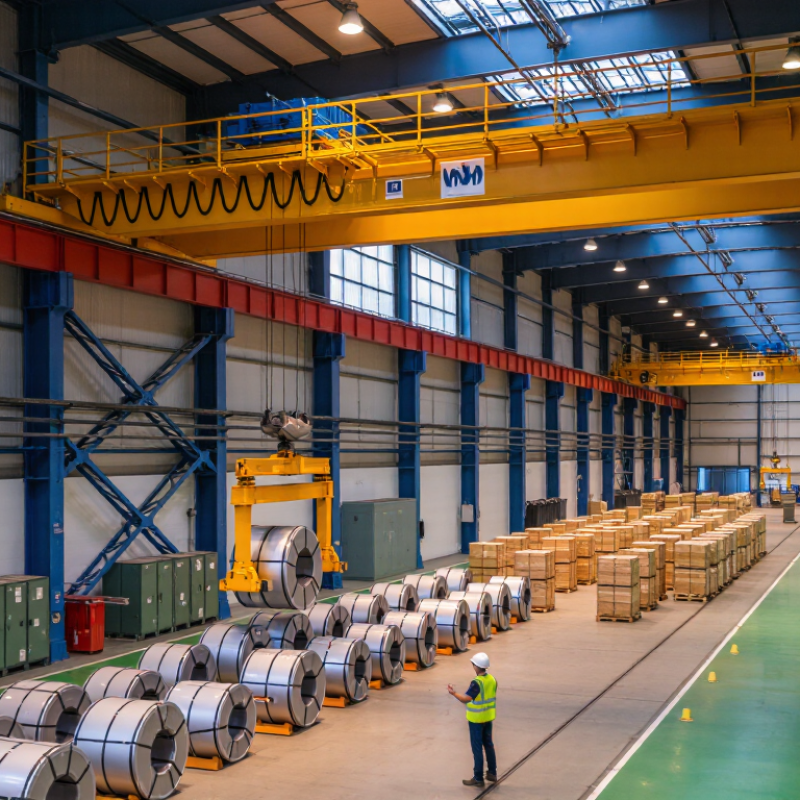
A 10-ton crane lifting steel coils needs different protection than one moving cartons indoors. Buyers should review duty classification, hoist speed, control options, wheel loads, power supply, and ambient temperature. Coastal factories may need stronger corrosion protection. Dusty plants may require sealed electrical components. These small choices affect downtime, safety, and long-term ownership costs. A low initial quote can become expensive when spare parts are difficult to obtain or local technicians cannot service the equipment.

Reliable purchasing also requires evidence. Ask for technical drawings, inspection records, material certificates, load-test results, warranty terms, and clear installation responsibilities. Suppliers should explain how their designs align with applicable regional standards and site requirements. Experienced manufacturers can provide references from comparable industries, not only attractive catalog images. Still, even experienced buyers can overlook runway alignment or future production growth. That mistake is easy to make. This guide compares the most practical Girder Cranes for global buyers in 2026, while recognizing that the “best” option may change after a detailed site assessment.
2026 Best Types of Girder Cranes for Global Buyers?

What Is a Girder Crane and How Does It Work?

A girder crane is an overhead lifting machine built around one or two horizontal girders. The girder carries a trolley, hoist, and hook along the runway. End trucks move the bridge across the building. When the operator raises a steel coil, motor, or machine part, these movements combine for controlled positioning.

Single-girder cranes suit lighter loads and moderate spans.

Double-girder cranes provide greater lifting capacity, hook height, and stability.

The right choice depends on load weight, duty cycle, span, headroom, and working temperature.

Tips:

Measure the building before requesting a quotation. Check runway alignment, available headroom, power supply, and floor conditions. Ask for rated capacity, lifting speed, control options, emergency stops, and inspection access. A qualified engineer should verify structural loads and braking performance. Do not select only by maximum tonnage. Frequent starts can stress a crane more than occasional heavy lifts.

In 2026, global buyers should compare maintenance access and spare-part availability, not only purchase price. Field inspections often find problems near cable guides, festoon systems, and wheel flanges. Small alignment errors can create noise, vibration, and uneven wheel wear. Real sites are messier than drawings. I would also review humidity, dust, wind exposure, and operator visibility before choosing equipment. A clean specification helps, but it cannot replace a site survey. Some early assumptions may be wrong; rechecking them is part of responsible crane planning.

Main Girder Crane Types for Different Lifting Requirements

2026 Best Types of Girder Cranes for Global Buyers

Main Girder Crane Types for Different Lifting Requirements

Single-girder overhead cranes suit workshops with moderate loads and limited budgets. They use less steel and usually require less headroom. A 5-ton crane moving engine parts across a 20-meter bay may fit this design well. Space matters. However, single-girder systems can become inefficient for frequent heavy lifting or wide spans.

Double-girder overhead cranes provide stronger support for high capacities, long spans, and demanding duty cycles. They can carry heavier hoists and offer better lifting height. Steel plants, fabrication yards, and large warehouses often need this extra stability. Buyers should check wheel loads, runway structure, lifting frequency, and maintenance access before ordering. Capacity alone is not enough.

Gantry cranes stand on legs and work where no building runway exists. Full gantry models cover open yards, while semi-gantry cranes serve areas beside existing structures. Underslung cranes can help when roof height is restricted, though their load limits may be lower. Measure twice. A common mistake is selecting the crane first and checking the building later. Qualified engineers should verify span, headroom, wind exposure, floor strength, emergency controls, and inspection requirements. Some projects still need a compromise between lifting height, travel speed, and installation cost.

Single-Girder vs. Double-Girder Cranes: Key Differences

For global buyers, choosing a girder crane starts with the working conditions, not the catalog price. The key decision is often single-girder versus double-girder design. Each structure suits a different lifting profile.

A single-girder crane uses one main bridge beam and usually weighs less. Its compact trolley can preserve valuable headroom inside a low workshop. This design fits moderate loads, shorter spans, and regular material handling. Installation is often simpler, and runway forces may be lower. However, its lifting height, duty cycle, and maximum span can become limiting factors. A neat spreadsheet can still mislead.

Double-girder cranes use two bridge beams, creating a stronger platform for heavier loads and longer spans. The trolley normally runs between or above the girders, depending on the layout. This arrangement can support higher lifting heights, larger hooks, and more demanding production schedules. It also offers better access for maintenance in many industrial settings. The trade-off is clear: greater steel weight, higher installation demands, and stronger runway requirements. In a hot steel plant, a double-girder crane may handle repeated heavy lifts more reliably. In a small warehouse, that capacity could be unnecessary. I have seen projects over-specify the crane because future expansion sounded likely, but the supporting building was never upgraded.

Buyers should compare rated load, span, lifting height, daily cycles, load spectrum, headroom, climate, power supply, and local safety requirements. Service access matters too. A crane that is powerful but difficult to inspect can create avoidable operating problems.

How Global Buyers Can Choose the Best Girder Crane in 2026

Choosing the best girder crane in 2026 starts with the workload, not the catalog picture. Single-girder cranes suit lighter loads, shorter spans, and cost-sensitive facilities. Double-girder models offer greater hook height, longer spans, and better stability for steel, machinery, and heavy fabrication. Top-running designs usually provide stronger runway capacity. Under-running systems can preserve valuable floor space.

Data matters. The 2024 MHI Annual Industry Report found that 55% of supply-chain professionals faced difficulty hiring qualified workers. Buyers should therefore compare remote diagnostics, overload protection, and simple maintenance access. These features can reduce dependence on highly specialized operators. They cannot replace training.

Check the duty cycle carefully. A crane lifting five tonnes twice daily differs greatly from one lifting four tonnes every ten minutes. Ask suppliers to state rated load, lifting speed, span, runway loads, and classification under recognized standards such as ISO 4301 or EN 13001. Climate also changes the specification. Coastal sites may need corrosion protection, while cold regions require suitable lubricants and electrical components. The World Steel Association reported global crude steel production near 1.9 billion tonnes in 2024, showing the continuing scale of heavy industrial demand. Yet a larger crane is not automatically better. I would review real lifting records, maintenance response times, and spare-parts availability before approving a purchase. Forecasts can look precise. Factory conditions rarely are.

2026 Best Types of Girder Cranes for Global Buyers? - How Global Buyers Can Choose the Best Girder Crane in 2026

Girder Crane Type Typical Safe Working Load Typical Span Typical Lifting Height Typical Duty Profile Best-Fit Applications Main Advantages Key Limitations
Single-Girder Overhead Crane Up to approximately 20 t About 6–30 m About 6–18 m Light to medium service; commonly aligned with FEM 1Am–3m or CMAA Class A–C, subject to design General manufacturing, maintenance bays, warehouses, workshops and material handling areas Lower structural weight, economical installation and good use of existing building space Lower capacity and shorter span potential than a double-girder design; hook approach may be less favorable
Double-Girder Overhead Crane Approximately 10–500 t or more for specialized systems About 10–40 m About 6–30 m Medium to very heavy service; commonly selected for frequent or demanding lifting cycles Steel processing, heavy fabrication, power equipment, shipyard areas, foundries and large industrial plants High load capacity, greater rigidity, improved hook coverage and suitability for heavy-duty lifting Higher purchase, runway and building-support costs; requires more headroom and structural assessment
Top-Running Overhead Crane Approximately 1–500 t, depending on configuration About 6–40 m About 6–30 m Light to heavy service, selected according to load frequency and operating environment Facilities with dedicated runway beams and sufficient building height Broad capacity range, strong stability and efficient travel over a dedicated runway Needs suitable runway beams and adequate headroom; building modifications may be required
Underhung or Under-Running Crane Commonly up to approximately 10 t About 6–25 m About 4–15 m Light to medium service with moderate lifting frequency Buildings with limited headroom, light manufacturing lines, assembly areas and flexible workstations Can operate beneath roof-support structures and may provide better use of low-clearance buildings Capacity and runway loading are limited by the building structure; less suitable for very heavy loads
Single-Leg Semi-Gantry Crane Approximately 1–20 t About 10–35 m About 5–15 m Light to medium service, normally for outdoor or mixed indoor–outdoor handling Workshops with one existing runway, loading zones, storage yards and production extensions Uses one building runway and one floor-supported leg, reducing the need for a complete runway structure Requires a suitable building-side runway and a properly designed floor rail or track
Double-Leg Gantry Crane Approximately 5–500 t or more for specialized applications About 10–40 m About 6–30 m Medium to heavy service, including frequent outdoor lifting Steel yards, precast concrete plants, shipbuilding, container handling and outdoor fabrication Does not require a full overhead runway building; suitable for large outdoor working areas Needs level ground, rails, travel clearance, wind protection and adequate foundation design
Single-Leg or Cantilever Gantry Crane Approximately 1–20 t About 8–30 m About 5–15 m Light to medium service with localized lifting requirements Outdoor storage, loading areas, small fabrication yards and extensions beside existing buildings Cost-effective for one-sided coverage and can extend handling beyond the building edge Lower rigidity and coverage than a double-leg gantry; load distribution must be checked carefully
Explosion-Protected Girder Crane Commonly up to approximately 50 t, depending on hazardous-area classification About 6–30 m About 5–20 m Light to heavy service with equipment specified for the applicable hazardous zone or division Petrochemical facilities, chemical processing, paint operations, gas-handling areas and dust-risk locations Designed to reduce ignition risks through suitable electrical, mechanical and control-system protection Higher procurement and maintenance cost; area classification and certification must be verified before selection
Process or Automated Girder Crane Approximately 5–100 t, depending on the process About 10–35 m About 6–25 m High utilization, repetitive cycles and controlled operating paths Production lines, coil handling, storage systems, casting operations and continuously operating plants Repeatable positioning, reduced manual intervention and compatibility with sensors and plant-control systems Higher integration cost and greater dependence on reliable controls, sensors and site data
Selection note for global buyers: The capacity, span and lifting-height figures are typical industry planning ranges rather than universal limits. Final selection should be verified against the required safe working load, load spectrum, lifting speed, travel speed, duty classification, headroom, runway or foundation capacity, ambient temperature, wind exposure, seismic conditions, hazardous-area requirements, power supply and applicable local standards. Common design references include EN 15011, EN 13001, FEM classifications, CMAA specifications and ASME B30 requirements, but the governing standard should be confirmed for the installation country.

Safety Standards, Costs, and Supplier Evaluation Criteria

2026 Best Types of Girder Cranes for Global Buyers?

For global buyers, safety standards should guide girder crane selection before price. Single-girder cranes suit lighter, shorter-duty applications, while double-girder designs provide greater lifting height and capacity. EN 13001 addresses crane design, load combinations, and structural safety. ASME B30.2 covers overhead and gantry crane operation in the United States. OSHA recorded 5,283 fatal workplace injuries in 2023, according to its latest national data. That broader figure reminds buyers that maintenance, training, and site controls matter as much as equipment design. A low quotation can become expensive after installation changes, spare-part delays, or unexpected downtime.

Supplier evaluation needs measurable evidence. Request load charts, duty-class calculations, weld inspection records, brake test results, and documented factory acceptance testing. Verify whether the supplier can support local electrical standards and provide certified technicians. Compare total ownership cost, not only purchase price. Include shipping, commissioning, operator training, inspections, and five-year maintenance. ISO 9001 certification supports process control, but it does not prove crane performance by itself. Buyers sometimes overtrust certificates. That is a mistake worth admitting.

Tips: Ask for two comparable references in similar climates. Inspect one installed crane if possible. Check runway alignment, emergency stops, overload protection, and pendant response. Keep a written acceptance checklist. It may feel slow, but missing one detail can delay production for weeks.