2026 Best Window Specialist Suppliers Worldwide
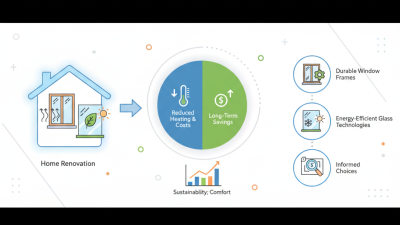
The 2026 Best Window Specialist Suppliers Worldwide guide examines companies shaping modern fenestration markets. This sector now extends beyond glass, frames, and basic installation. Suppliers influence energy use, indoor comfort, acoustic control, safety, and long-term building performance. The International Energy Agency reports that buildings consume around 30% of global final energy. They also produce approximately 26% of energy-related emissions. Windows cannot solve this challenge alone. However, correctly specified products can reduce heat transfer and improve envelope efficiency.
The United States Department of Energy estimates that heat gain and loss through windows account for about 25% to 30% of residential heating and cooling energy use. This figure explains why glazing systems, frame materials, coatings, spacers, and installation quality deserve close attention. A capable window specialist should provide more than attractive product samples. Buyers should examine thermal values, air leakage data, water resistance, certifications, warranty terms, and regional after-sales support. NFRC and European EN standards offer useful reference points, although testing systems differ across markets.
Supplier scale matters, but it is not everything. A large manufacturer may offer reliable logistics, while a smaller specialist may deliver better customization. No ranking is perfect. Site conditions, climate exposure, building codes, and installer skill can change the final result. This guide therefore considers technical evidence, manufacturing experience, product transparency, and customer support. Some claims remain difficult to compare. That deserves scrutiny. The strongest suppliers are not merely selling windows; they are helping projects achieve measurable, durable, and realistic performance.

Definition and Role of Window Specialists in 2026
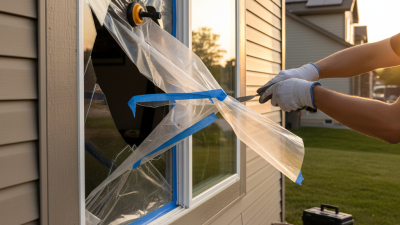
In 2026, a window specialist is more than an installer. This professional assesses openings, glass performance, ventilation, shading, and local building requirements. They connect design decisions with daily comfort, energy use, and long-term maintenance. The role starts before any frame reaches the site. An experienced specialist measures wall depth, sill condition, drainage paths, and existing movement. Small errors matter.
During consultation, specialists translate technical data into practical choices. They may compare low-emissivity glazing, laminated safety glass, acoustic layers, and thermally improved frames. A reliable recommendation considers climate, orientation, indoor humidity, budget, and cleaning access. It should not promise impossible savings. On site, the team checks plumb lines, perimeter gaps, flashing, anchors, and sealant continuity. Photographs and measurement records make quality easier to verify. This evidence also supports fair communication when a problem appears later.
Window specialists increasingly coordinate with architects, energy assessors, contractors, and property owners. They help prevent condensation, air leakage, water intrusion, and unsafe operation. Yet the profession is not flawless. A rushed survey can overlook seasonal expansion or a hidden structural defect. Even trusted advice deserves testing against actual building conditions. The strongest specialists explain uncertainty, document changes, and return when installation performance needs checking. That discipline turns a window from a purchased component into a managed building system.
Key Criteria for Evaluating Global Window Suppliers
2026 Best Window Specialist Suppliers Worldwide
Key Criteria for Evaluating Global Window Suppliers
Selecting a global window supplier requires more than comparing catalog prices. Real performance begins with verified manufacturing experience. Ask how long the supplier has produced similar systems and request references from completed projects. A supplier should provide clear thermal, acoustic, air, water, and wind test results. Independent laboratory reports matter more than attractive sales claims.
Inspect a physical sample whenever possible. Check frame joints, drainage paths, gasket quality, hardware movement, and glass alignment. Small defects often reveal weak production controls. Review the supplier’s quality procedures, material traceability, and inspection records. Technical drawings should match the final product, not just the showroom sample. Installation manuals must include fixing points, tolerances, sealants, and maintenance details.
Reliable communication is another practical test. Can the technical team answer questions without vague promises? Can they manage different climate zones, shipping conditions, and local building requirements? Warranty terms should explain coverage, response times, exclusions, and replacement procedures. Site references are useful, but they should be verified independently. No supplier is perfect. A polished sample may hide inconsistent batches, delayed spare parts, or unclear responsibility after delivery. Careful evaluation should leave room for doubt, follow-up questions, and a second review before any major commitment.
Leading Window Specialist Suppliers by Region and Product Type
2026 Best Window Specialist Suppliers Worldwide
Regional and product expertise now matter more than broad supplier lists.
The International Energy Agency reports that buildings consume about 30% of global energy. This keeps thermal performance central to window procurement. In North America, suppliers commonly focus on vinyl, fiberglass, and impact-resistant systems. In Europe, thermally broken aluminum, timber composites, and low-emissivity glazing remain strong choices. Asia-Pacific requires wider product flexibility. High-rise construction often demands lightweight frames, acoustic glass, and strict wind-load testing.
Product type should guide supplier evaluation.
The U.S. Department of Energy estimates that windows can influence 25% to 30% of household heating and cooling energy use. Insulating glass units therefore deserve careful review. Check spacer design, gas filling, visible transmittance, and whole-window U-values. For coastal projects, corrosion testing is essential. For dense cities, acoustic ratings can be more valuable than maximum daylight. Regional suppliers may also understand installation conditions better. That experience is difficult to measure.
Industry forecasts often expect steady growth in energy-efficient windows through 2030,
supported by renovation and building-efficiency rules. However, forecast figures differ between research firms. That weakness deserves attention. A supplier claiming exceptional performance should provide laboratory reports, warranty terms, and project references. Certifications should match the destination market, not merely the manufacturing country. I would also inspect corner joints, drainage paths, and replacement-part access. Small details fail first. Cost comparisons should include transport, installation, maintenance, and expected service life. A global ranking can help, but local verification remains necessary.
How to Select the Right Window Specialist Supplier Worldwide
How to Select the Right Window Specialist Supplier Worldwide
Selecting a window specialist supplier worldwide requires more than comparing prices. I have learned that product fit, technical support, and delivery discipline matter just as much. Begin by defining the project clearly. Record window sizes, opening types, glass requirements, climate conditions, and installation methods. A supplier should explain whether its systems suit coastal humidity, severe cold, strong sunlight, or heavy rain. Vague answers are warning signs.
Look beyond the brochure. Ask for factory photographs, material specifications, test reports, quality procedures, and recent project references. Check whether the supplier can provide samples with visible frame joints, seals, drainage paths, and hardware operation. Request evidence of performance for air leakage, water resistance, thermal insulation, and wind pressure. An independent inspection can reveal uneven finishing or weak packaging. Ask for clear warranty terms, replacement procedures, and technical drawings.
Communication also deserves practical testing. Send the same technical questions to several suppliers and compare response accuracy. A reliable partner confirms tolerances, production stages, shipping documents, and installation guidance in writing. Check lead times against your construction schedule, including customs delays and local code reviews. My own early purchasing decisions focused too heavily on unit cost. That created rework later. Cheap windows can become expensive when measurements, accessories, or after-sales support are incomplete. Ask who handles problems after delivery. Get the answer before signing.