Best Sun Room Windows for Your Perfect Home Space?
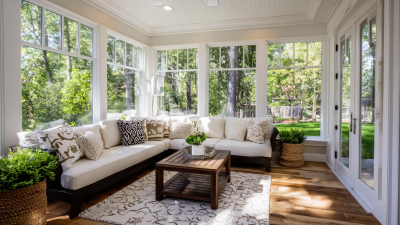
Creating the perfect sun room is an exciting journey. One of the most crucial elements in this process is selecting the right sun room windows. These windows play a significant role in enhancing your space's beauty and functionality. They allow natural light to flood in while providing stunning views of the outdoors.
Choosing the ideal sun room windows involves careful consideration of style, materials, and energy efficiency. The options can be overwhelming. From large picture windows to smaller casement styles, each has unique benefits. Your choice will impact both aesthetics and comfort. Remember that the wrong choice might lead to discomfort during extreme weather.
Furthermore, it's essential to prioritize quality over price. While budget-friendly windows seem appealing, they might not offer proper insulation. In the long run, investing in high-quality sun room windows pays off. You create a space that feels inviting and enjoyable year-round. This decision reflects both your personal style and your commitment to comfort in your home.
Choosing the Right Windows for Your Sun Room Design
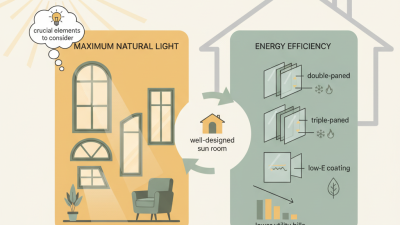
When selecting windows for your sun room, you must consider several essential factors. Sun rooms, designed to maximize natural light, require windows that not only provide great views but also energy efficiency. According to the Department of Energy, about 30% of a home’s heating energy is lost through windows. Choosing windows with double or triple glazing can significantly reduce this energy loss.
The material of the window frame is equally crucial. Vinyl and fiberglass frames tend to offer better insulation than aluminum. Furthermore, low-E glass can minimize UV rays that can fade your furniture. A survey by the American Society of Interior Designers noted that homes with energy-efficient windows can achieve a return on investment of up to 80% during resale.
Incorporating operable windows can enhance ventilation, which is vital for a sun room. However, while adding larger windows appears attractive, consider the structural integrity of your home. Large openings may require additional framing support. Not all designs will meet your aesthetic expectations in practice. Balancing appearance with functionality remains a common challenge for homeowners.
Best Sun Room Windows for Your Perfect Home Space
| Window Type |
Material |
Energy Efficiency |
Cost Range |
Durability |
| Casement Windows |
Vinyl |
High |
$300 - $600 |
15-20 Years |
| Sliding Windows |
Aluminum |
Medium |
$250 - $500 |
10-15 Years |
| Double-Hung Windows |
Wood |
Medium |
$400 - $800 |
20-30 Years |
| Picture Windows |
Fiberglass |
Very High |
$500 - $1,000 |
25-50 Years |
| Awning Windows |
Vinyl |
High |
$350 - $650 |
15-20 Years |
Types of Window Materials for Sun Room Applications
When designing a sunroom, the choice of window materials is crucial. Various materials provide unique benefits and drawbacks, affecting aesthetics and functionality. Common materials include vinyl, wood, and fiberglass. Each option comes with distinct advantages, making it essential to consider what suits your lifestyle best.
Vinyl windows are popular for their durability and low maintenance. They resist moisture and won’t warp over time. However, they can lack the classic look of wood. Wood windows offer warmth and beauty but require regular upkeep. They can be prone to rot and fading if not properly maintained. Fiberglass windows are a great middle ground, offering strength and energy efficiency. Yet, the initial cost can be higher, and installation may be more complex.
Deciding on window materials for your sunroom often involves trade-offs. Think about climate impact and personal style. Keep energy efficiency in mind. Seek materials that align with your home’s design while being mindful of maintenance needs. Reflecting on these aspects will guide you toward the best choice for your sunroom.
Enhancing Energy Efficiency with Sun Room Windows
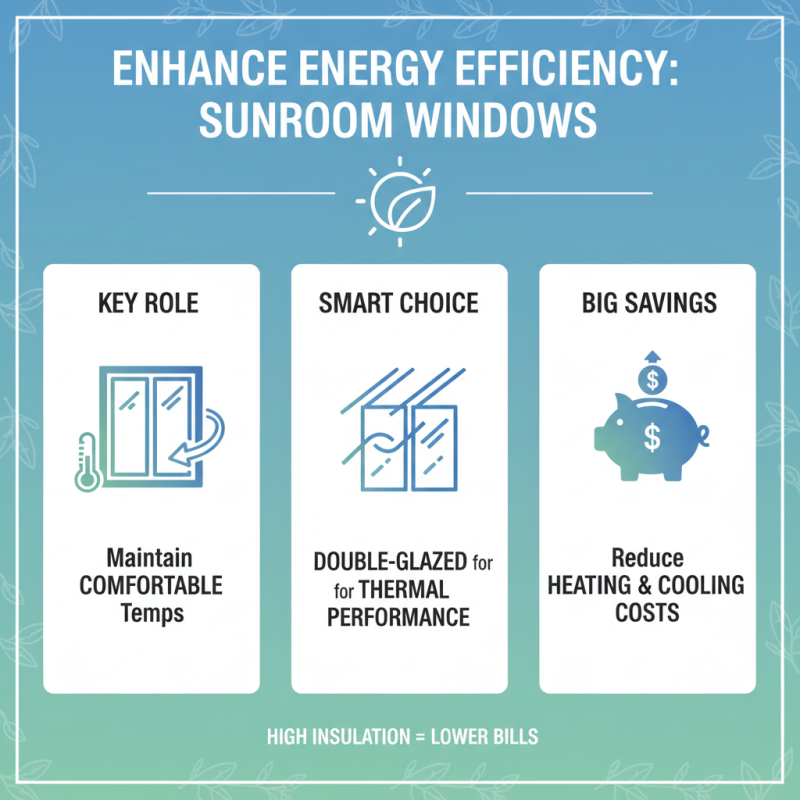
When designing a sun room, energy efficiency should be a top priority. Sun room windows play a crucial role in maintaining a comfortable atmosphere. Selecting windows with high insulation ratings can dramatically lower heating and cooling costs. Consider double-glazed windows for better thermal performance. They help keep heat in during winter and block excessive heat in summer.
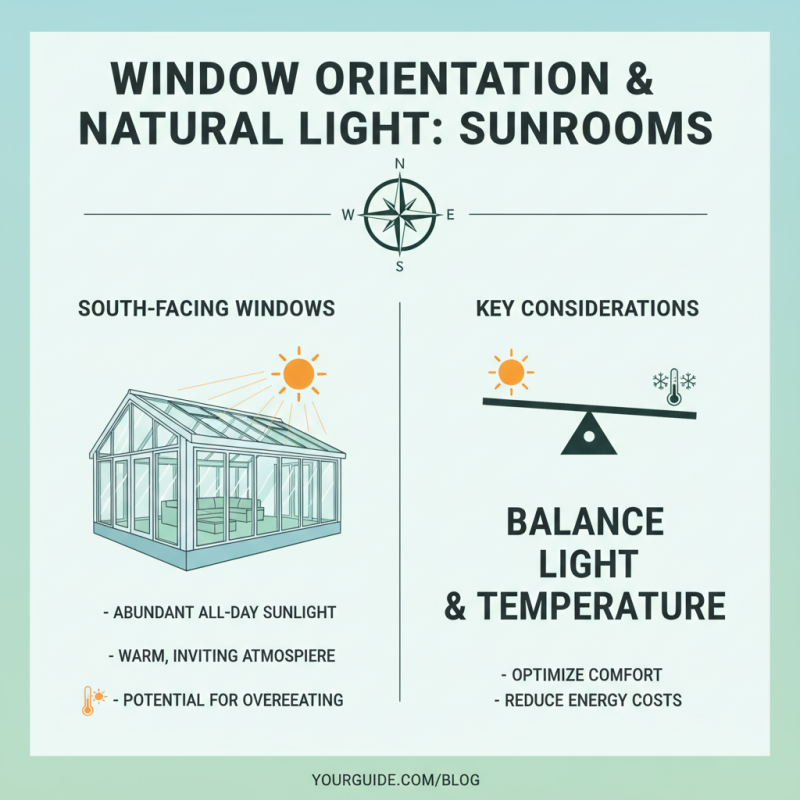
Another aspect to think about is the window orientation. South-facing windows capture more sunlight, enhancing warmth. You can enjoy natural light without relying solely on artificial sources. However, too much heat can be uncomfortable. Therefore, incorporating window films or shades can help manage this.
It’s also important to reflect on installation. Poorly installed windows can lead to leaks, reducing efficiency. Engage a skilled professional to ensure a proper fit. Each detail matters in creating an energy-efficient space. Make choices that align with your climate and personal needs. Balancing comfort, efficiency, and aesthetics requires ongoing adjustments and evaluations.
Considerations for Window Orientation and Natural Light
When considering the best windows for a sun room, the orientation plays a vital role. South-facing windows attract abundant sunlight throughout the day. This natural light can create a warm and inviting atmosphere. However, too much sunlight might lead to overheating. It’s essential to balance light and temperature.
East-facing windows let in beautiful morning light. This can be refreshing and energizing. Yet, the intensity of afternoon sun will not be present. But, this may result in a darker space during the evening. Homeowners should think about how they use the room at different times.
North-facing windows offer consistent but softer light. It can be an excellent choice for plants that thrive in indirect sunlight. Still, without careful planning, this orientation may make the room feel cold. Consider using sheer window treatments to allow light while reducing glare. Reflect on your sun room's purpose. The right orientation ensures you enjoy the benefits of natural light without discomfort.
Popular Designs and Styles for Sun Room Windows
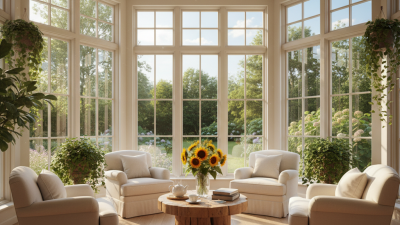
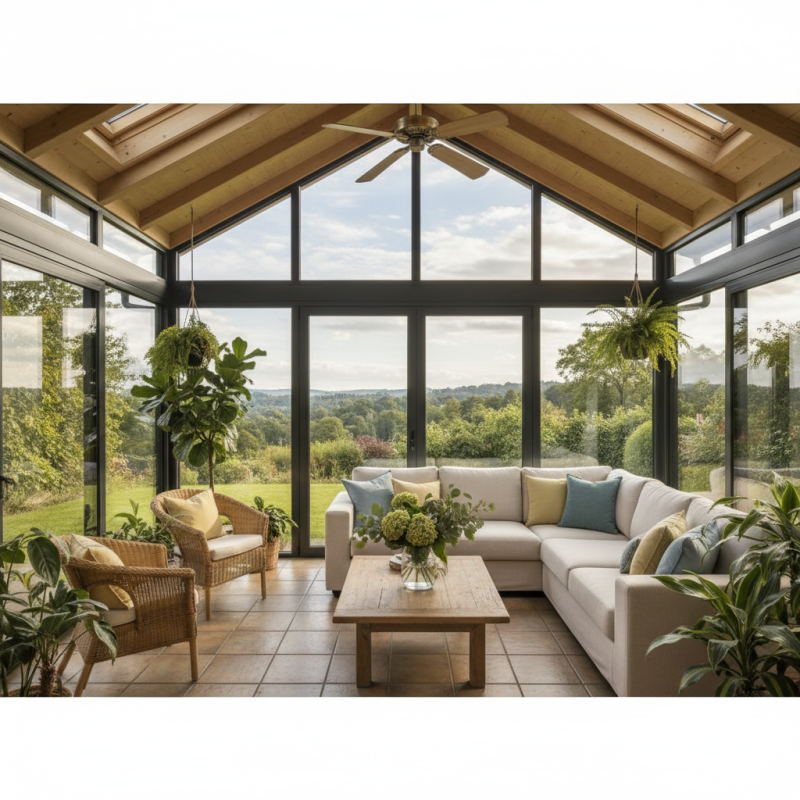
When designing a sunroom, choosing the right windows is crucial. Large, picture windows allow for maximum natural light. They provide unobstructed views of the outside, making your space feel open and airy. Double-hung windows are another great option. They offer flexibility and can be easily opened for fresh air.
Popular styles also include bay and bow windows. These designs extend outward, creating a cozy nook. You might consider adding window seats for extra functionality. Screens can enhance ventilation while keeping bugs out. Remember, aesthetics matter, but practicality is key.
Think about your climate. In hot areas, low-e glass can reduce heat gain. In colder environments, consider insulated windows to save energy. It’s worth noting that not all designs fit all spaces. Measure carefully to ensure your windows complement your sunroom's overall look. Small mistakes can lead to larger issues down the line. Balance style with functionality to create a perfect space that meets your needs.
Best Sun Room Windows - Popular Designs and Styles