Best Sun Room Windows Types for Maximum Natural Light and Energy Efficiency
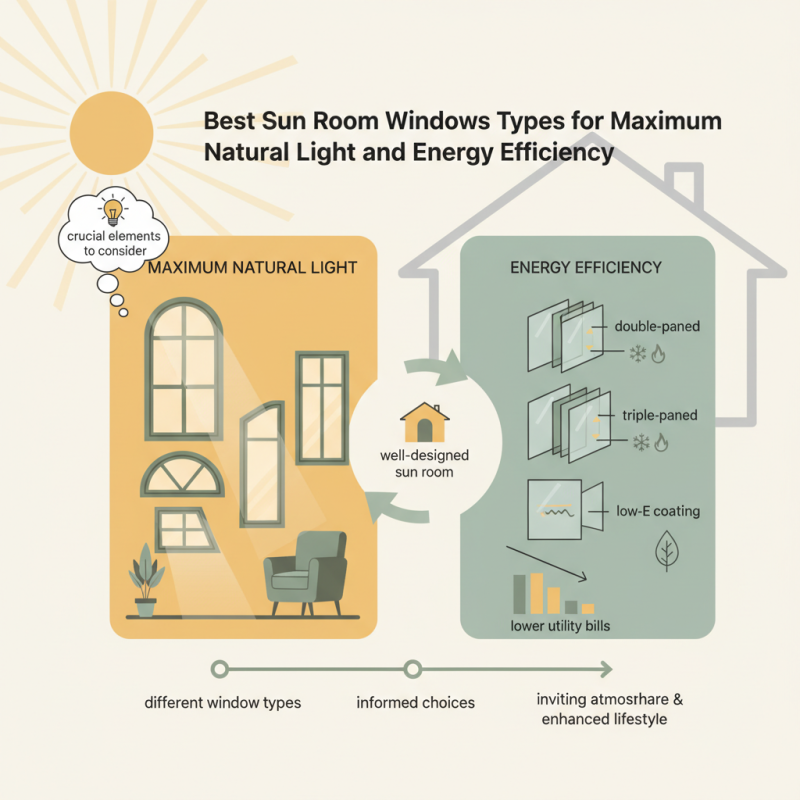
When designing a sun room, one of the most crucial elements to consider is the choice of sun room windows. These windows not only serve as a barrier between the indoor space and the outside world but also play a pivotal role in maximizing natural light while enhancing energy efficiency. A well-designed sun room, filled with an abundance of sunlight, can transform the way you experience your home, creating a serene haven that connects you with nature throughout the seasons.
The right sun room windows can significantly influence the ambiance of the space, allowing for a bright and airy environment that invites relaxation and rejuvenation. Additionally, energy-efficient window options contribute to better insulation and lower utility bills, making your sun room not only a delightful retreat but also a smart investment. As the demand for sustainable living grows, understanding the various types of sun room windows available and their specific benefits becomes essential for homeowners seeking to optimize their living space.
In this exploration of the best sun room windows, we will delve into different window types and features, highlighting their advantages in terms of natural light and energy conservation. By making informed choices about your sun room windows, you can create an inviting atmosphere that enhances your lifestyle while remaining mindful of efficiency and sustainability.
Types of Sun Room Windows: An Overview of Common Options
When designing a sunroom, selecting the right type of windows is crucial for maximizing natural light and energy efficiency. The most common window types include single-pane, double-pane, and triple-pane windows. Single-pane windows provide minimal insulation and are generally the least energy-efficient choice. According to the U.S. Department of Energy, homes with single-pane windows can lose up to 20% of their heating energy during winter, making them unsuitable for climates that experience significant temperature variations.
Double-pane windows, on the other hand, consist of two layers of glass separated by a gas-filled space, offering improved thermal insulation. These windows can reduce energy costs by up to 30%, as they significantly cut down on heat transfer. Furthermore, triple-pane windows provide the highest level of energy efficiency, ideal for regions with extreme climates. Research indicates that triple-pane windows can enhance insulation performance by 50% compared to single-pane alternatives, making them an excellent investment for reducing energy expenses and maintaining a comfortable environment year-round.
In addition to thermal efficiency, window types also influence daylighting, essential for creating a bright and welcoming sunroom. Large picture windows and clerestory windows can be strategically placed to capture sunlight while minimizing glare. Glass options that feature low-emissivity (Low-E) coatings can optimize natural light transmission while reflecting harmful UV rays, thereby protecting furniture and flooring from fading. This balance between light and energy efficiency is key to achieving a functional yet aesthetically pleasing sunroom.
Best Sun Room Windows Types for Maximum Natural Light and Energy Efficiency
Comparing Energy Efficiency Ratings of Different Window Types
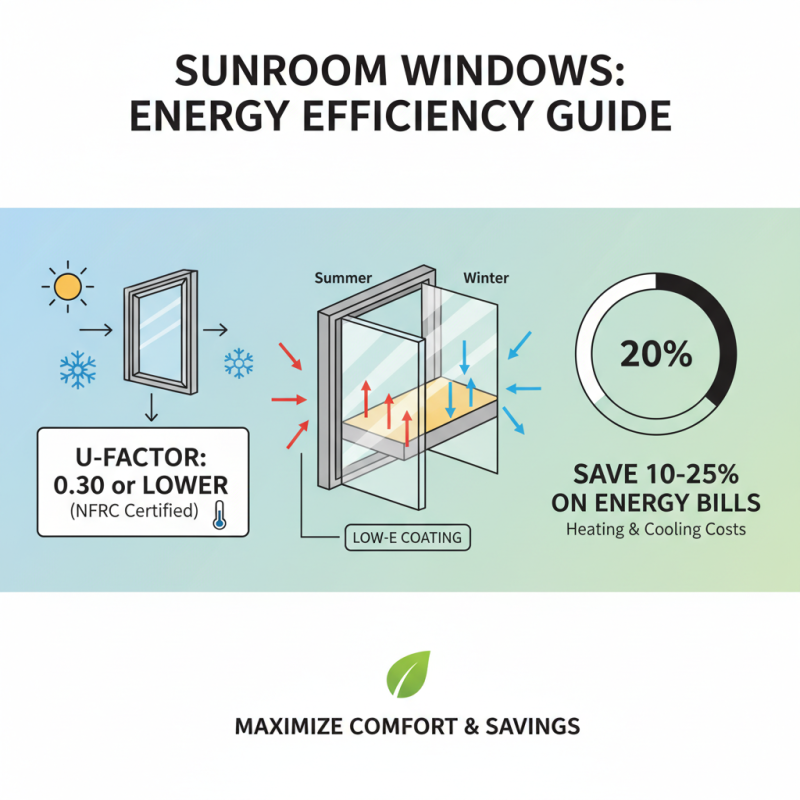
When selecting the best windows for a sunroom, energy efficiency is a critical factor to consider. The U-factor, which measures how well a window insulates, is essential in comparing different window types. According to the National Fenestration Rating Council (NFRC), windows with a U-factor of 0.30 or lower are ideal for maximizing energy efficiency. Low-E (low emissivity) windows, which reflect heat back into the room during winter while keeping the heat out in summer, can significantly improve energy performance. Studies indicate that using low-E glass can reduce heating and cooling costs by 10-25%.
Another crucial metric is the Solar Heat Gain Coefficient (SHGC), which measures how much solar radiation can enter through a window. For sunrooms, an SHGC ranging from 0.30 to 0.50 is often recommended, allowing for ample natural light while maintaining a comfortable indoor climate. According to the American Society of Heating, Refrigerating and Air-Conditioning Engineers (ASHRAE), windows with balanced SHGC and U-factor ratings can lead to energy savings of up to 15% in residential settings. By choosing the right combination of window types, homeowners can enjoy a sunlit space while ensuring their energy bills remain manageable.
How Solar Gain Affects Natural Light in Sun Rooms
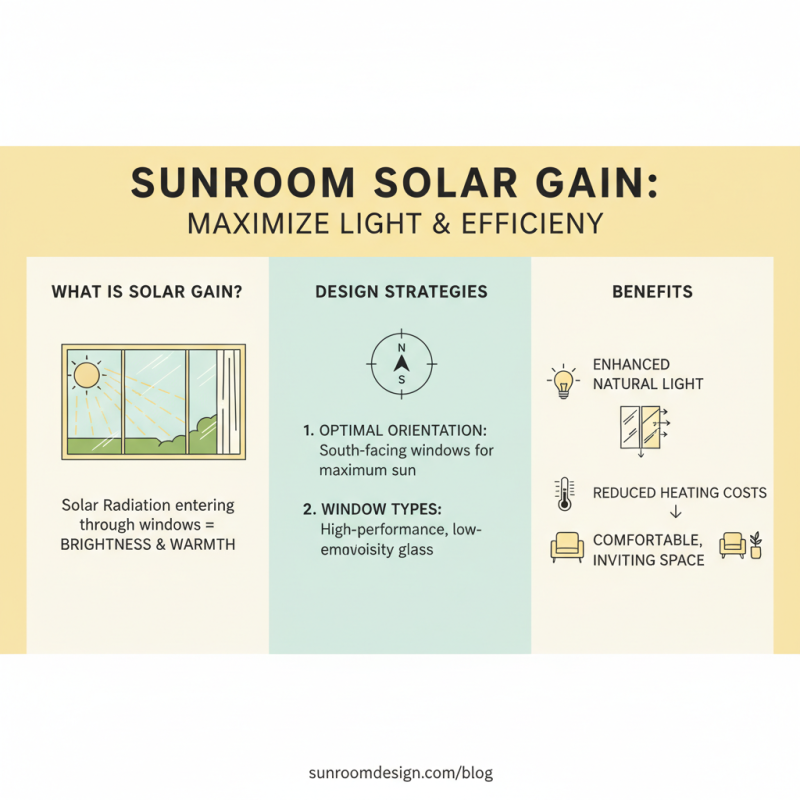
When designing a sunroom, understanding how solar gain affects natural light is crucial for creating an inviting and energy-efficient space. Solar gain refers to the amount of solar radiation that enters a room through its windows, which can significantly enhance the brightness of your sunroom. Windows designed to maximize solar gain can transform an ordinary room into a sun-drenched retreat, providing warmth and illumination during the day. Proper orientation and the choice of window types can greatly influence this effect, allowing for optimal light distribution and energy efficiency.
To achieve the best results, consider window elements such as size, shape, and glazing. Large, south-facing windows are ideal for capturing sunlight during the winter months when the sun is lower in the sky. However, during the summer, excessive solar gain can lead to overheating. This makes it essential to implement strategic shading solutions, such as awnings or solar shades, to control light levels and manage heat absorption.
Tips for maximizing energy efficiency include choosing double or triple-glazed windows for better insulation and selecting Low-E coatings that reflect heat while allowing light to pass through. Additionally, incorporating thermal curtains can help maintain a comfortable temperature in your sunroom year-round. Careful planning ensures that your sunroom is not just a bright space but also an energy-efficient extension of your home.
Best Materials for Sun Room Windows: Glass vs. Polycarbonate
When designing a sunroom, choosing the right window materials is essential for maximizing natural light and energy efficiency. The two most commonly used materials are glass and polycarbonate, each offering distinct advantages. Glass windows are renowned for their clarity and aesthetic appeal, allowing abundant sunlight to flood the room. They come in various types, including low-E glass, which reflects heat while letting in light, and insulated glass units that enhance energy efficiency.
On the other hand, polycarbonate is a popular choice for its durability and insulation properties. It is lighter than glass and less prone to breaking, making it ideal for environments where safety is a concern. Polycarbonate also has excellent UV protection, preventing harmful rays from damaging furnishings while still allowing ample daylight to enter.
Tips: When selecting windows for your sunroom, consider combining both materials to leverage their strengths. Use glass for areas where visibility and appearance are paramount, while opting for polycarbonate in sections that require extra durability. Additionally, incorporating window treatments such as shades or blinds can help regulate heat and prevent glare, ensuring a comfortable environment year-round.
Best Sun Room Windows Types for Maximum Natural Light and Energy Efficiency
| Window Type |
Material |
Natural Light |
Energy Efficiency |
Estimated Cost (per sq. ft.) |
| Sliding Windows |
Glass |
High |
Good |
$25 - $40 |
| Casement Windows |
Glass |
Very High |
Excellent |
$30 - $50 |
| Fixed Windows |
Glass |
Very High |
Good |
$20 - $35 |
| Double-Hung Windows |
Glass |
High |
Moderate |
$30 - $45 |
| Polycarbonate Panels |
Polycarbonate |
Moderate |
Fair |
$15 - $25 |
Design Considerations for Maximizing Natural Light in Sun Rooms
When designing a sunroom, maximizing natural light is crucial for creating a bright and inviting space. One of the key considerations is the orientation of the windows.
South-facing windows capture the most sunlight throughout the day, while east-facing windows provide warm morning light. In contrast, west-facing windows can create an intense heat during the afternoon. By strategically choosing the window placement and orientation, homeowners can enhance the sunroom’s brightness and comfort.
Another important aspect is the selection of window types and materials. Large, unobstructed windows are ideal for allowing unobstructed light to flood the space. Options such as floor-to-ceiling windows or sliding glass doors can serve to connect the indoors with the outdoors while maximizing sunlight exposure.
Moreover, energy-efficient glazing options can help maintain the desired temperature within the sunroom, ensuring that the space remains comfortable year-round while reducing energy costs. Incorporating shades or blinds that can be adjusted based on the season can further enhance energy efficiency, allowing for control over light intensity and heat gain.