How to Buy a Prefabricated Container House for Your Needs?
Purchasing a prefabricated container house can be a significant investment. These homes offer a unique blend of efficiency, durability, and affordability. Many people seek sustainable living options, making container houses increasingly popular.
However, the buying process can be overwhelming. Potential buyers face countless choices regarding design, size, and functionality. What meets your specific needs? A prefabricated container house can be customized to fit various lifestyles. Buyers must consider essential factors such as location, budget, and intended use.
In addition, working with reliable suppliers is crucial. Research is necessary to find a reputable provider. A trustworthy company offers quality materials and support throughout the building process. There may be pitfalls, but understanding your requirements and doing thorough assessments can guide you. This journey can lead to a fulfilling living space with the right preparation and knowledge.
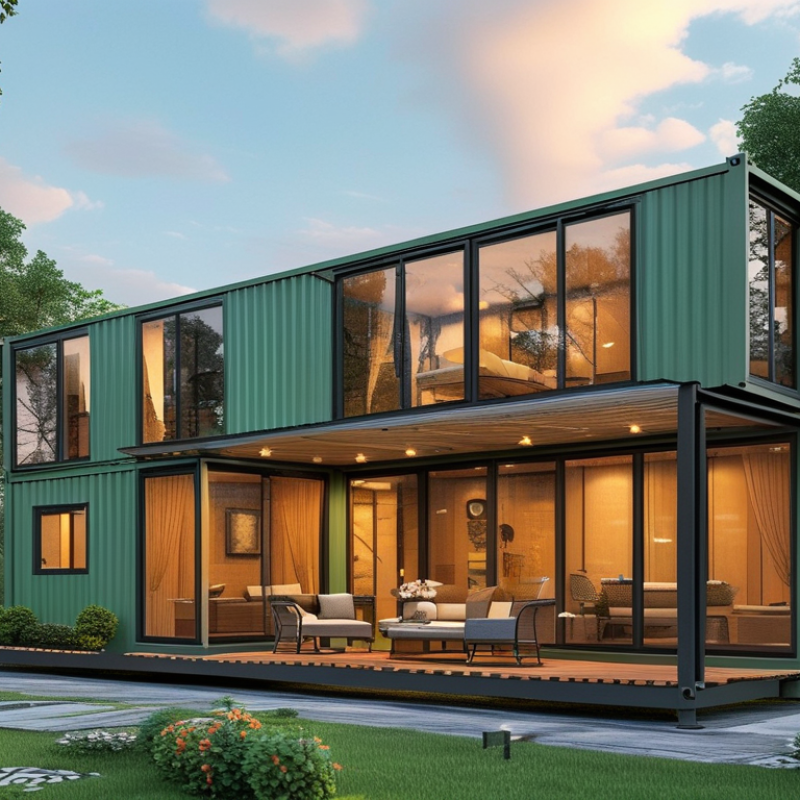
Understanding Prefabricated Container Houses
Prefabricated container houses are becoming a popular choice for many. These structures offer flexibility and affordability. Understanding their features is essential to find the right fit for your needs. Made from shipping containers, these homes are durable and eco-friendly. They can be customized to suit various styles and purposes.
When considering a prefabricated container house, think about the layout you want. Do you need multiple rooms or an open concept? Assess the available space in your yard or lot. The size of the container greatly influences its function. Many styles are available, from minimalist to modern designs.
Tips for choosing a container house include researching local regulations. Know what is allowed in your area. Also, think about insulation. Proper insulation keeps your home comfortable year-round. Finally, keep in mind the resale value. Prefabricated homes can appreciate but consider market trends. Making informed decisions now can lead to a more satisfying investment in the future.
Assessing Your Needs and Budget
When considering a prefabricated container house, understanding your needs is crucial. Start by defining the purpose of the home. Will it be a primary residence, a vacation getaway, or a workspace? According to recent industry reports, over 47% of buyers prefer multifunctional living spaces. This statistic highlights the trend towards flexible designs, which can affect your budget.
Assess your budget early in the process. The average cost of a container home ranges between $10,000 to $50,000, depending on size and customizations. Many will overlook hidden costs like permits and land preparation. In a recent study, 30% of buyers reported unexpected expenses during their purchase. Being aware of these factors can make a significant difference.
Next, think about energy efficiency. A well-insulated container home can save on long-term utility bills. Notably, according to the U.S. Department of Energy, energy-efficient buildings can reduce operational costs by 30%. Prioritize these functions, keeping in mind they may impact upfront costs. Reflecting on these aspects ensures that your investment is both practical and aligned with your lifestyle needs.
Choosing the Right Supplier for Container Houses
When choosing a supplier for prefabricated container houses, diligence is crucial. The global market for container homes is projected to grow at a CAGR of 7.7% between 2023 and 2030, indicating rising demand and competition. This growth underscores the need for thorough research of potential suppliers. Look for those who showcase their projects effectively and provide transparent testimonials.
Verify the legitimacy of suppliers. Check for industry certifications and accreditations. Reliable suppliers often have documentation to back their claims. A report by Allied Market Research highlights that companies with ISO certifications show better quality management practices. These details can make a significant difference in ensuring you receive a durable product.
Consider the customizability of the containers. Suppliers should offer various designs and configurations to fit your specific needs. Research indicates that 75% of buyers prefer suppliers who can tailor products to their preferences. Avoid those with limited options, as this could lead to dissatisfaction. Some suppliers may present impressive portfolios but lack the capacity to deliver on time. Always ask for references and previous project reviews to gauge reliability.
Evaluating Design and Customization Options
When considering a prefabricated container house, it's essential to evaluate design and customization options. The layout should fit your lifestyle. Think about how many rooms you need. Open spaces work well for families, while studio designs suit singles or couples. Flexibility in design is crucial.
Customization can elevate usability and aesthetics. Consider adding large windows for natural light or insulation for temperature control. You might want adjustable interior walls for future changes. Some also explore eco-friendly materials, which can enhance sustainability.
Reflect on your needs and preferences. A unique design reflects your personality. However, not all customization options may be available or viable based on budget constraints. There's a balance between achieving your dream space and managing expenses. Keep this in mind as you explore your choices.
Reviewing Regulations and Installation Requirements
When considering a prefabricated container house, it's essential to understand the regulations and installation requirements specific to your area. Each jurisdiction may have particular zoning laws, building codes, and permitting processes. According to a recent industry report, nearly 40% of container home buyers encounter challenges due to local regulations. Familiarizing yourself with these rules can save time and prevent financial loss.
Before purchasing, check if the land you own complies with local zoning regulations. Not all areas permit container homes, while some may have restrictions. Installation requirements usually include a foundation type, utilities, and safety codes. Failing to meet these may lead to fines or building orders. Researching local ordinances is vital for a smooth installation.
**Tips:** Always consult local regulations before finalizing your purchase. It might be helpful to hire a local expert. They can navigate potential pitfalls in the process. Engaging with homeowners in your area can also yield valuable insights. Furthermore, be mindful that modifications after your initial installation can require further inspections and approvals, complicating your project.
Container House Regulatory Requirements by Region