Blog

Why Choose a Chemical IBC Tank for Global Shipping?

Global chemical trade depends on packaging that can survive distance, handling, and changing temperatures. UN Trade and Development reports that more than 80% of global merchandise trade moves by sea. That reality makes packaging efficiency a commercial concern, not merely a warehouse decision. A Chemical IBC Tank can hold large volumes while using less space than many smaller containers. Its rigid cage, pallet base, and closable valve also support safer forklift movement and controlled discharge.

The global intermediate bulk container market reflects this demand. Grand View Research estimated the market at approximately USD 19.5 billion in 2022, with continued growth projected through 2030. Chemical manufacturers increasingly examine reusable systems, standardized dimensions, and traceable handling records. These features can reduce packaging waste and improve loading consistency. They do not remove responsibility. A tank still requires correct compatibility checks, inspection, labeling, and applicable UN performance certification.

Packaging author Walter Soroka describes packaging as “the science, art and technology of enclosing and protecting products.” His words remain practical here. Protection must match the chemical, route, and handling environment. A tank suitable for one solvent may fail with another substance. Small details matter. Valve seals, gasket materials, cage welds, and temperature limits deserve attention.

A Chemical IBC Tank is not automatically the cheapest option. Cleaning, return logistics, testing, and residual-product control can change the calculation. That is where many comparisons become too simple. The stronger decision considers the full shipping cycle, from filling bay to final unloading. With documented procedures and experienced suppliers, chemical shippers can gain capacity, consistency, and safer global movement. Yet every route still needs careful review.

Why Choose a Chemical IBC Tank for Global Shipping?

Chemical IBC Tanks: Definition, Structure, and Core Functions

Why Choose a Chemical IBC Tank for Global Shipping?

Chemical IBC Tanks: Definition, Structure, and Core Functions

A chemical IBC tank is a rigid intermediate bulk container designed for liquid storage and transport. Under the UN Recommendations on the Transport of Dangerous Goods, an IBC usually holds more than 450 liters and up to 3,000 liters. This capacity bridges the gap between small drums and road tankers. It is not simply a large bottle.

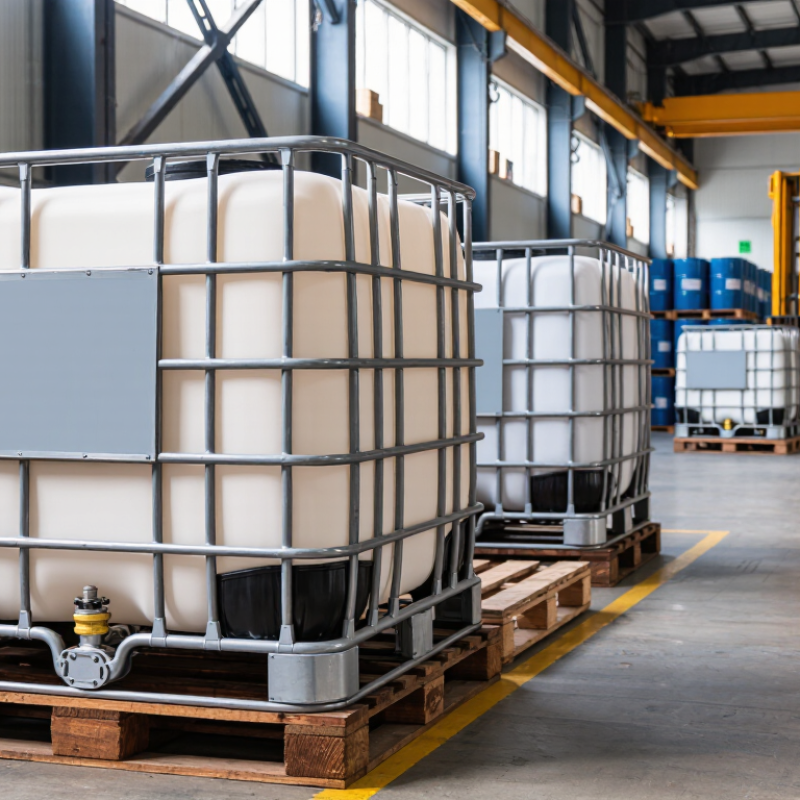
Most models combine a high-density polyethylene inner bottle, a steel protective cage, and a pallet base. The bottle resists many chemical environments, while the cage limits impact damage during handling. A bottom valve supports controlled discharge. Top openings allow filling, inspection, and pressure management. Details matter. Materials must match the chemical, temperature, and filling method.

The core functions are containment, mechanical protection, stacking, and efficient transfer. UN performance testing typically examines drop resistance, leakproofness, stacking strength, and internal pressure. These tests support safer movement across ports, warehouses, and factories.

UNCTAD’s Review of Maritime Transport 2024 states that over 80% of global merchandise trade by volume moves by sea. That makes standardized IBC dimensions valuable for international logistics.

Yet container compatibility is not enough. The World Bank’s Logistics Performance Index 2023 highlights uneven logistics reliability between economies. A tank may travel well but fail operationally at a poorly equipped site. That gap matters. In practice, closure checks, label durability, valve protection, and inspection records deserve more attention than many shipping plans allow.

Key Advantages for International Chemical Transport

Why Choose a Chemical IBC Tank for Global Shipping?

International chemical transport demands more than simple storage. A chemical IBC tank combines controlled containment, efficient handling, and practical space management. Its stackable design can use warehouse and container space more effectively than many smaller packages. This may reduce handling steps and lower transport costs.

Key Advantages for International Chemical Transport

A well-designed IBC tank supports safer movement across ports, roads, and storage sites. Many units follow recognized UN performance standards for applicable substances. However, approval depends on the specific chemical, tank design, and transport route. Always verify compatibility through the safety data sheet and technical documentation.

Durable construction helps resist impacts, moisture, and repeated handling. The wide top opening can simplify filling, while the lower outlet supports measured discharge. Forklift access also reduces manual lifting. Small details matter here. A damaged valve can create a serious leak. Before loading, trained staff should inspect closures, labels, seals, and visible wall damage. Clear markings help customs teams and warehouse operators identify contents without opening the container.

IBC tanks also improve traceability during international shipping. Batch numbers, inspection records, and cleaning documents can support reliable cargo control. Yet the process is not foolproof. Temperature changes may affect chemical pressure or material compatibility. Some tanks require special protection, limited reuse, or controlled storage conditions. Reviewing local and destination-country requirements remains essential, especially when routes involve several carriers. Good packaging supports compliance, but it never replaces professional risk assessment.

Material Compatibility, Safety Standards, and Regulatory Requirements

Why Choose a Chemical IBC Tank for Global Shipping?

Material compatibility should guide every chemical IBC tank decision. The liquid must suit the tank body, inner liner, gasket, valve, and closure materials. High-density polyethylene handles many aqueous chemicals, while stainless steel may suit solvents or higher temperatures. However, assumptions can cause leaks. Review the Safety Data Sheet and obtain written compatibility advice before filling. Temperature, concentration, storage time, and cleaning history can change the result.

Safety standards matter during loading, transport, and unloading. A compliant IBC should display required identification marks and pass applicable design, pressure, drop, and leak tests. Inspect the frame, pallet, valve, and cap before each shipment. Small cracks can widen during ocean transport. Secure the tank against movement, protect fittings from impact, and use suitable secondary containment where required. Do not overlook ventilation needs.

Regulatory requirements differ by transport route and destination. Road and sea shipments may follow separate dangerous-goods rules, including packaging instructions, labels, documents, and inspection intervals. Confirm the latest requirements with a qualified dangerous-goods professional and the relevant authorities. Keep batch records, cleaning certificates, inspection reports, and emergency contacts accessible. A reusable tank can reduce waste, but reuse is not automatically safer. Its previous cargo may leave residues, and cleaning standards may vary. Verification remains essential.

How to Select, Load, Secure, and Ship a Chemical IBC Tank

Why Choose a Chemical IBC Tank for Global Shipping?

Selecting a chemical IBC tank starts with compatibility, not convenience. Check the chemical’s composition, density, viscosity, and temperature range. The tank material must resist the product during storage and transit. Confirm the container’s capacity and approved performance marking. A small mismatch can create leaks, contamination, or disposal problems. It happens.

Before loading, inspect the tank, valve, gasket, cage, and pallet base. Look for cracks, distortion, residue, or loose fittings. Clean and dry equipment helps protect product quality. Fill only to the permitted level, leaving space for thermal expansion. Keep the closure upright and accessible. Use accurate scales when weight limits matter. A written inspection record improves traceability and supports reliable handovers.

Secure each IBC on a stable, level surface. Use suitable restraints that prevent shifting without damaging the cage. Do not stack units unless the packaging instructions allow it. Separate incompatible chemicals and protect valves from impact. The shipper should prepare current safety data, transport classification, labels, and emergency details. Confirm requirements with the carrier, port, and destination authorities before dispatch. Route planning also matters because heat, cold, rough roads, and long storage can affect the load. Real-world loading is rarely perfect; rushed checks and unclear paperwork remain common weaknesses. A final pause before sealing the vehicle often catches them.

Maintenance, Reuse, and End-of-Life Management

A chemical IBC tank earns its value through careful maintenance, repeated use, and responsible retirement. During global shipping, small failures can become expensive delays. A damaged valve, loose cap, or unreadable label deserves immediate attention.

Inspect the tank before loading and after unloading. Check the inner container, cage, pallet, seals, and discharge fittings. Look for stress marks, chemical staining, dents, or unusual odors. Clean the tank according to the previous material’s safety requirements. Never assume a tank is suitable because it looks clean. Material compatibility must be confirmed through technical data and qualified procedures. Keep inspection dates, contents, cleaning records, and repair details together. Good records support traceability across changing transport routes.

Reuse can reduce packaging waste and purchasing costs, but only when performance remains reliable. A tank used repeatedly may develop hidden weaknesses around welds or outlet connections. That is why trained personnel should follow documented inspection intervals. Local transport rules and receiving-country requirements may also differ. Planning must account for both. Sometimes, replacement is the safer choice.

End-of-life management should begin before failure occurs. Separate reusable components from damaged materials through approved waste channels. Drainage and cleaning must follow applicable environmental and occupational requirements. Do not cut, crush, or discard a tank without confirming that residues are removed. Recycling sounds simple, yet contamination can complicate the process. An honest review of past repairs may reveal that continued reuse is no longer practical.

Why Choose a Chemical IBC Tank for Global Shipping? - Maintenance, Reuse, and End-of-Life Management

Lifecycle Stage Practical Requirement Typical Data or Interval Why It Matters in Global Shipping Reusable IBC Advantage End-of-Life Consideration
Selection and Compatibility Confirm that the inner bottle, gasket, valve, pallet, and fittings are compatible with the chemical, concentration, temperature, and filling method. Common composite IBC capacities are approximately 500–1,250 litres; a 1,000-litre format is widely used for industrial liquids. Correct material selection helps reduce leakage, contamination, swelling, embrittlement, and chemical attack during multimodal transport. High
Durable components can support repeated transport cycles when approved for the intended substance.
Separate contaminated components and manage them according to the chemical residue and applicable waste regulations.
Regulatory Approval Use an IBC with the appropriate UN design type, markings, testing status, and transport approval for the dangerous good. Composite liquid IBCs may use UN designations such as 31HA1, but the exact marking depends on construction, test results, and intended service. UN, ADR, IMDG Code, and other national rules may apply depending on the route and transport mode. High
Approved reusable units can be deployed across road, rail, sea, and port handling operations where permitted.
An expired, damaged, or non-compliant unit must not be used for regulated transport until it is properly assessed and approved.
Pre-Filling Inspection Check the cage, pallet, inner container, valves, closures, labels, markings, and visible signs of chemical attack or deformation. Inspection should be completed before every filling operation and after any significant impact, drop, or abnormal handling event. Early detection prevents the shipment of a compromised package and reduces the risk of leakage at terminals or during vessel transport. High
A documented inspection process helps determine whether the unit is suitable for another cycle.
Units with cracks, severe deformation, leaking valves, illegible markings, or unsafe contamination should be removed from service.
Periodic Testing Arrange the inspections and tests required by the applicable dangerous-goods regulations and the IBC approval. For many regulated IBCs, periodic inspection is required at intervals not exceeding 2.5 years, while a complete inspection and test is generally required at intervals not exceeding 5 years; the applicable rule and IBC type must be verified. Current test status supports acceptance by carriers, terminals, customs authorities, and safety inspectors. High
Testing extends service life when the structure and components remain fit for use.
Retain inspection records and remove the unit from transport service when it cannot pass the required test.
Cleaning and Decontamination Use a cleaning method proven compatible with the previous chemical, the IBC materials, and the next intended cargo. Cleaning frequency is cargo-dependent; it is normally required before a change of chemical, when residue could create a hazard, or when specified by the shipper or receiver. Proper cleaning reduces cross-contamination, hazardous residues, odour transfer, and worker exposure during handling. High
Cleaning and inspection can enable repeated use instead of immediate disposal.
Collect wash water and residues for controlled treatment or disposal; do not discharge contaminated liquids without authorization.
Filling and Closure Fill within the approved capacity and account for thermal expansion, density, pressure, and the chemical’s transport classification. Do not exceed the marked maximum permissible gross mass or the filling limits specified for the substance and IBC. Correct filling reduces pressure build-up, sloshing, instability, and leakage during temperature changes and vessel movement. Medium–High
Consistent closure procedures help protect valves and fittings over multiple trips.
Damaged closures and contaminated fittings may require controlled replacement or disposal as hazardous components.
Marking and Documentation Maintain legible hazard labels, UN markings, product information, emergency contacts, safety data, and shipping documents. Documents should identify the correct proper shipping name, UN number, hazard class, packing group where applicable, quantity, and packaging information. Complete documentation supports safe transshipment and reduces delays caused by customs, carrier, or terminal queries. Medium
Reusable assets can be tracked with inspection, cleaning, and movement records.
Remove or deface transport markings only when required by the applicable regulations and after the unit is no longer offered for dangerous-goods transport.
Handling and Storage Use suitable lifting equipment, keep the IBC upright, protect valves from impact, and store it on a stable surface. Follow the IBC manufacturer’s handling instructions and the chemical supplier’s storage requirements; avoid direct exposure to incompatible heat, sunlight, or chemicals. Good handling reduces punctures, cage distortion, pallet damage, and valve failures during loading and unloading. High
Robust cages and pallets are designed for repeated mechanical handling when not overloaded or damaged.
Metal frames and plastic components should be separated where practical and sent to authorized recovery or waste facilities.
Reuse Decision Approve the next use only after reviewing condition, chemical history, cleaning status, test date, and compatibility with the new cargo. Reuse is not determined by age alone; it depends on structural condition, regulatory status, chemical exposure, and traceable inspection records. A documented reuse decision provides evidence that the packaging remains suitable for international transport. Very High
Multiple use cycles can reduce packaging consumption and the number of empty containers requiring disposal.
If the unit cannot be safely reused, classify and manage it according to residual contamination and local waste requirements.
Repair and Component Replacement Use only approved repair methods and compatible replacement parts; do not modify the IBC in a way that invalidates its approval. Typical serviceable items may include caps, gaskets, valves, labels, and protective components, subject to the approved design and inspection requirements. Controlled repair can prevent avoidable downtime while maintaining safety and compliance. Medium–High
Replaceable components may extend the useful life of the complete transport unit.
Removed parts contaminated with chemical residue should be treated as controlled or hazardous waste when applicable.
Retirement from Service Retire the IBC when it fails inspection, has serious structural damage, has unmanageable contamination, or no longer has valid approval for the intended use. Retirement should be based on condition and compliance status rather than a fixed universal service-life number. Prompt retirement prevents an unsuitable package from entering a high-consequence international logistics chain. High
Condition-based retirement avoids premature disposal while protecting transport safety.
Drain, decontaminate where legally permitted, document the status, and send materials to qualified recovery or disposal channels.
Material Recovery Assess whether clean plastic, metal cage components, pallets, and other materials can be recovered separately. Recycling feasibility depends on polymer type, contamination level, local infrastructure, and acceptance criteria of the waste facility. Proper segregation reduces disposal volume and supports more efficient reverse logistics. Medium
Reusable pallets and cages may remain valuable even when the inner container is retired.
Do not recycle chemical-contaminated materials through ordinary consumer recycling streams unless they have been accepted and processed by an authorized facility.
Lifecycle Recordkeeping Track the IBC identification, cargo history, cleaning, inspection, repairs, test dates, locations, and final disposition. Retention periods depend on the applicable law, company procedures, customer requirements, and dangerous-goods management system. Traceability supports audits, incident investigation, carrier communication, and consistent reuse decisions. High
Digital asset records make reverse logistics and repeat deployment easier to control.
Final records should state whether the unit was reused, recycled, dismantled, or transferred to an authorized waste contractor.
Important: The intervals and examples shown are general industry guidance. The shipper must verify the current requirements for the specific chemical, IBC design type, country, route, and transport mode under the applicable dangerous-goods regulations.