Blog

China Best Nail-Free Glue Supplier for Global Buyers?

China’s nail-free adhesive market attracts global buyers with broad product ranges, competitive pricing, and increasingly detailed technical data. Yet a polished catalog is only the starting point. Buyers still need to check bond strength, curing time, material compatibility, packaging consistency, and batch documentation. A sample that holds a lightweight trim piece on a clean wall may behave differently on painted wood or a dusty surface. Small details matter.

Nail-Free Glue can simplify installation when the formulation suits the materials and conditions. Ask suppliers for a current technical data sheet, clear surface-preparation guidance, and samples from the same product line offered for bulk orders. Also compare carton labeling, storage instructions, and how the supplier handles defects. These checks do not guarantee a perfect result. They make surprises less likely.

A named expert quotation should be verified before publication; no source or verifiable expert statement was provided for this draft, so I will not invent one. That limitation matters. This guide will examine how global buyers can assess Chinese Nail-Free Glue suppliers, compare product claims, and ask sharper questions before placing an order. It will also consider where supplier strengths may vary, because no single factory fits every project. A careful comparison takes time. Sometimes, the simplest-looking claim needs the closest inspection.
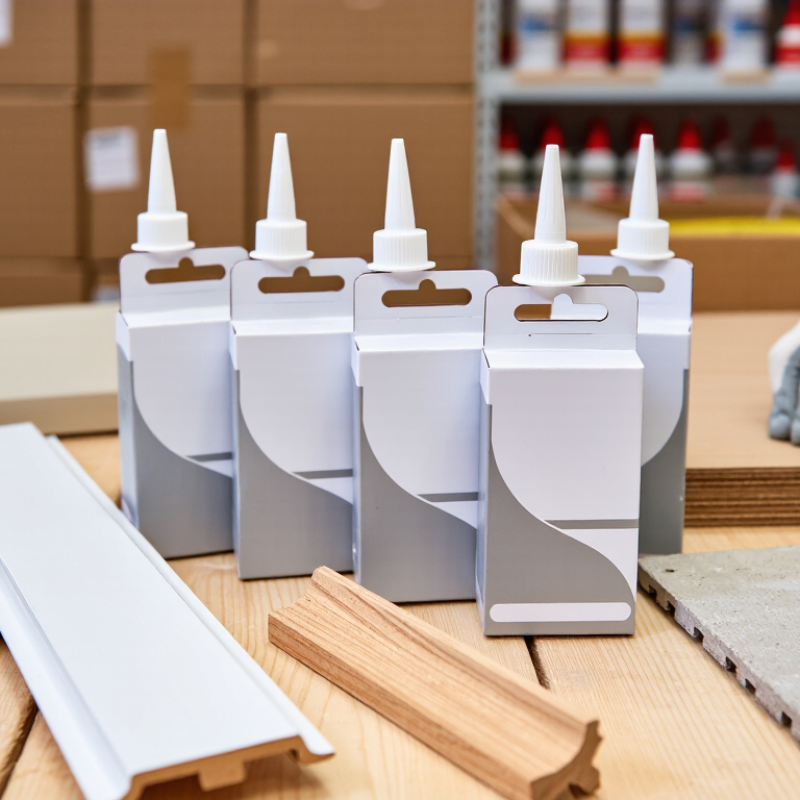
China Best Nail-Free Glue Supplier for Global Buyers?

What Nail-Free Glue Is and How It Works

Nail-free glue is a general name for construction adhesives designed to join materials without mechanical fasteners. The name can be misleading: products differ in chemistry, strength, and suitable surfaces. Some use water-based polymers; others rely on different adhesive systems. Their curing process varies, too.

In use, the adhesive forms a bond between two prepared surfaces. A clean, dry surface helps; dust, oil, or loose paint can weaken contact. Apply an even bead, then press the pieces together as directed. Some formulas need airflow or moisture to cure, while others set differently. Check the product instructions rather than assuming all adhesives behave alike. Full strength may take longer than the initial hold.

A small test area is sensible. This step is easy to skip. Yet it can reveal staining, poor adhesion, or damage to a delicate finish. Nail-free glue may suit trim, panels, or other compatible materials, but it is not a universal replacement for screws or nails. Heavy loads, overhead fittings, and flexible or damp surfaces require particular care. A supplier should provide clear information about compatible materials, application conditions, and curing time. Real performance depends on both the adhesive and the surface. That detail matters.

Key Product Features Global Buyers Should Compare

For nail-free glue, compare the test method behind every strength claim, not just the headline number. ASTM D1002 measures lap-shear strength using bonded metal specimens; that result cannot predict performance on painted plaster, tile, or porous wood. Ask suppliers for test data on your actual substrates, including preparation, load direction, curing time, and failure mode. Strength figures are not interchangeable.

Check initial grab, working time, and the maximum gap the adhesive can fill. A heavy mirror may slide before curing, even when the final bond is strong.

Indoor emissions matter too. The U.S. Environmental Protection Agency reports that levels of some organic pollutants average two to five times higher indoors than outdoors. Request product-specific VOC information and a current safety data sheet, rather than relying on “low odor” claims.

Compare service-temperature range, moisture resistance, and cure behavior in cool or humid conditions. These details affect shipping and installation across climates. I would also ask for shelf-life and batch traceability; they are easy to overlook.

Test a small area first. A supplier’s data may look precise, but real surfaces are rarely perfect.

How to Evaluate Nail-Free Glue Suppliers in China

Evaluating a nail-free glue supplier in China starts with evidence, not a polished catalog. Ask for current technical and safety data sheets. Check whether they specify compatible materials, application temperature, curing time, and storage conditions. Details matter. A claim such as “strong bond” is difficult to compare without a test method, substrate, and conditioning details. Proof beats promises. Request samples from a normal production batch, not only a specially prepared sales sample. Test them on your actual surfaces, such as painted wood, tile, or metal. Record bead size, working time, odor, and removal behavior under consistent conditions.

Next, review production controls and communication. Ask how incoming materials, batch consistency, and finished-product checks are recorded. Request batch identification and a sample inspection report; vague answers deserve follow-up. Confirm packaging, shelf life, carton strength, and whether labels and export documents meet your market’s requirements. A quick response is useful, but clear technical answers matter more. Compare quotations only after aligning package size, order quantity, lead time, and shipping terms. If possible, arrange a video walkthrough or independent inspection before a large order. Still, a factory audit cannot prove performance in every room or climate. Repeat a small trial after delivery. It takes time, and may feel excessive, but one overlooked surface can change the result.

China Best Nail-Free Glue Supplier for Global Buyers? — How to Evaluate Nail-Free Glue Suppliers in China
Evaluation Dimension What to Check Evidence to Request Practical Evaluation
Product fit and intended use Confirm whether the adhesive is designed for the intended application, such as indoor mounting, trim, or construction. Check compatible substrates and surfaces that require special preparation. Technical Data Sheet (TDS), application instructions, and a written substrate compatibility list. Compare the supplier’s recommended use with your actual materials, surface finish, installation conditions, and expected service environment.
Performance claims Review stated bonding strength, initial tack, curing time, and temperature or moisture limitations. These properties vary by formulation, substrate, and test conditions. TDS with test methods and conditions; relevant test reports for the specific product grade. Ask how each claimed value was measured. Do not compare numbers unless the test method, substrate, and curing conditions are comparable.
Sample and application testing Check whether samples can be supplied for trials and whether the supplier can provide clear guidance on surface preparation, application amount, positioning, and cure time. Sample labels, application guide, and written answers to technical questions. Test on your own materials and in realistic conditions before approving a production order. Record results and curing time.
Quality control and consistency Ask how incoming materials, production batches, and finished products are inspected, and how nonconforming batches are handled. Quality-control process, batch traceability details, and a Certificate of Analysis (COA) if available for the product. Check whether product and batch identification can be traced from packaging to production records. Confirm which properties are checked for each batch.
Safety documentation Review handling, storage, first-aid, and disposal information. Applicable requirements depend on the product composition and destination market. Current Safety Data Sheet (SDS) and product-specific technical documentation in a language suitable for the intended market. Check that the documents identify the same product and grade being quoted, and ask the supplier to clarify any missing or inconsistent information.
Destination-market compliance Determine which chemical, labeling, and import obligations apply in the buyer’s destination market. Requirements vary by jurisdiction and formulation. Relevant declarations, test reports, and labeling information; request documents that apply to the specific product and market. Verify documents with your importer, compliance adviser, or testing provider. Do not treat a general certificate as proof of compliance with every market requirement.
Packaging and shelf life Check package material and size, closure integrity, storage conditions, shelf life, and whether packaging suits the intended retail or industrial use. Packaging specifications, storage instructions, shelf-life information, and sample packaging where relevant. Confirm that the proposed label and packaging meet destination-market and customer requirements before mass production.
Export and shipping readiness Confirm export experience, shipment documentation, packaging for transport, and any classification or carrier requirements applicable to the specific formulation and route. A proposed document list, packing details, and confirmation of the shipping arrangements and responsibilities. Have the carrier or freight forwarder verify transport requirements before shipment; do not assume all adhesives have the same shipping classification.
Customization and communication Assess the supplier’s ability to discuss viscosity, packaging, labeling, or other requested changes, and to explain technical limitations clearly. Written specifications, revision history, and a confirmed process for approving samples and artwork. Use a written specification and approval record to reduce ambiguity between samples, production goods, and repeat orders.
Commercial terms and supplier verification Compare quoted price, minimum order quantity, lead time, payment terms, and claims or replacement procedures. Verify the supplier’s legal identity and stated business scope. Formal quotation, sales contract, business registration information, and agreed quality or claims terms. Treat commercial terms as quote-specific. Match the contracting entity, payment beneficiary, product specification, and order documents before payment.

Note: Adhesive performance, safety classification, shelf life, and regulatory obligations depend on the specific formulation, packaging, use conditions, and destination market. Verify product-specific documents and test the intended application before purchase.

Manufacturing Standards, Quality Control, and Compliance

For global buyers, a nail-free glue supplier should prove process control, not just show a strong bond in a sample. A 2023 MarketsandMarkets report estimated the global adhesives and sealants market at USD 72.4 billion, with growth projected to USD 85.8 billion by 2028. That scale makes consistent production important. Ask for documented incoming-material checks, batch traceability, and retained samples. A practical audit should follow one lot from raw-material receipt to the printed batch code on the carton.

Quality testing needs to reflect actual use. Check bond strength, curing time, and performance across relevant surfaces and temperatures; record the test method and results. Independent testing by an ISO/IEC 17025-accredited laboratory can add confidence, but the test must match the product and claim. Request current safety and technical data sheets, plus market-specific compliance documents. Requirements differ between destinations. Details matter. A report that omits test conditions is hard to evaluate. In my experience, suppliers sometimes present excellent laboratory results but provide too little information about production variation. That gap deserves a direct question before a buyer approves a shipment.

China Best Nail-Free Glue Supplier for Global Buyers? — Manufacturing Standards, Quality Control, and Compliance

Common adhesive performance test methods in a selected standards reference list

The bars count selected published test methods by performance area—not test results, product ratings, or supplier performance. References include ASTM D1002 and ASTM D3163 (lap shear), ASTM D903 and ASTM D1876 (peel), and ASTM D950 (impact). Buyers should confirm that the chosen methods, substrates, and applicable regulatory requirements match the intended use.

Sourcing, Customization, and Export Considerations

Selecting a nail-free glue supplier in China requires more than comparing unit prices. Ask for technical data on bonding strength, curing time, temperature range, and suitable surfaces. Test samples on the actual materials, such as painted timber, ceramic tile, or metal. Results can change with surface preparation and humidity. Small details matter.

Customization should be practical and specific. Discuss tube or cartridge size, nozzle design, carton quantity, and language requirements before approving production. Request a pre-production sample and check dispensing consistency, odor, and drying behavior. Keep written specifications and agreed tolerances. That takes time. It can prevent avoidable disputes when a large order arrives.

For export, confirm packaging protects the product from leakage and heat during transit. Request current safety and transport documents, and verify labeling and import requirements with a qualified local adviser in each destination market. Do not assume one document set works everywhere. Compare the supplier’s stated lead time with sample approval, production, and shipping schedules. A supplier may answer quickly, yet document revisions can still slow an order. I would leave room for that possibility.