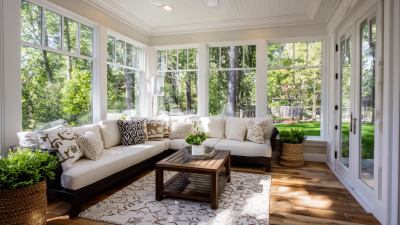
A sunroom can feel bright and inviting, but its glass envelope also faces intense sun, winter chill, wind, and rain. For global buyers comparing windows for sunroom projects, appearance is only one part of the specification. Frame material, glazing, seals, drainage, and hardware all influence comfort and long-term performance.
The U.S. Department of Energy’s Energy Saver guidance reports that heat gain and heat loss through windows account for about 25%–30% of residential heating and cooling energy use. The GlobalABC and UNEP 2023 Global Status Report for Buildings and Construction also found that buildings and construction represented 34% of global energy demand in 2022. These figures do not predict the performance of any single sunroom, but they show why window choices deserve careful review. Small details matter.
China-based suppliers offer buyers a range of frame systems, glass configurations, finishes, and manufacturing options. Yet a lower quoted price may not reveal differences in testing, installation needs, or after-sales support. Ask for documented U-factor, solar heat gain coefficient, air-leakage results, and applicable product certifications. Then check that the proposed system suits the project’s climate, building design, and local requirements. A coastal sunroom may need different corrosion-resistant hardware from a dry inland installation. There is no universal “best” window; even a strong specification can miss the mark if site conditions are overlooked. This guide examines practical selection factors and questions buyers can raise with manufacturers before placing an order.
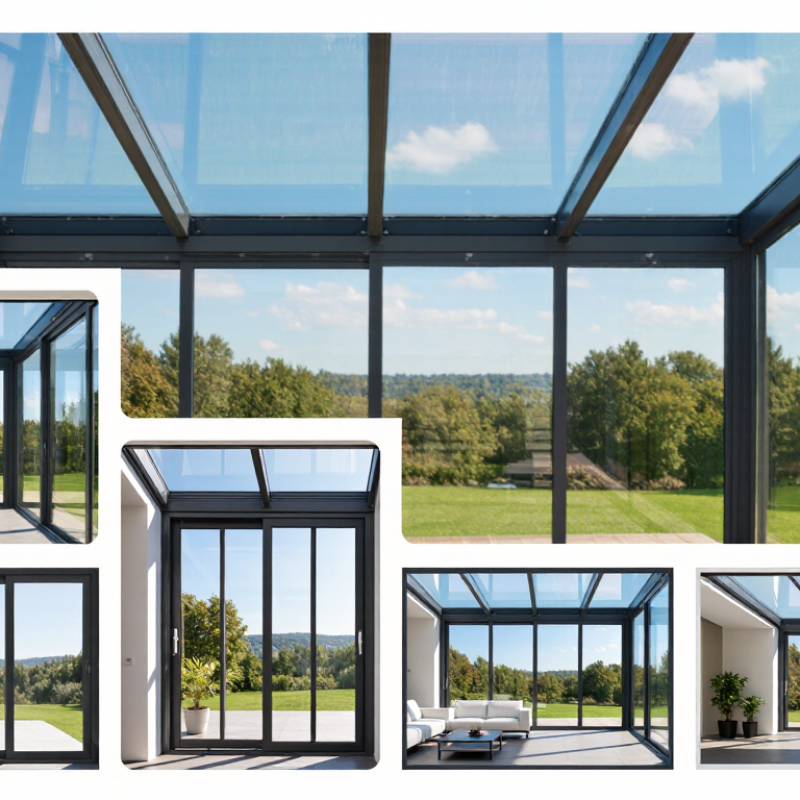
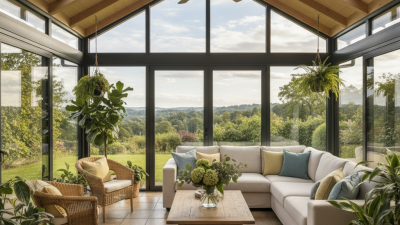
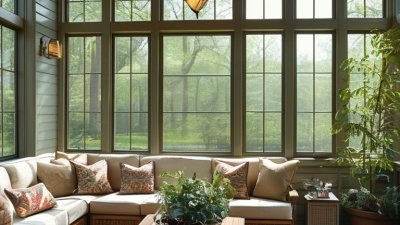
Sunroom windows are glazed units set into a room designed for daylight, outdoor views, and seasonal use. They may be fixed, sliding, or operable, with frames and seals suited to the opening. That sounds simple. In practice, glass choice, orientation, shading, and careful installation all affect comfort. A south-facing glass wall can collect strong afternoon heat, while a shaded side may feel cool.
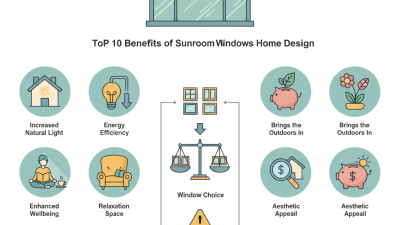
These windows bring natural light into homes, garden rooms, and hospitality spaces. They can also support ventilation when operable sections are positioned to catch local breezes. Low-emissivity glass and insulated frames may help limit heat transfer, but performance depends on the full assembly. Small leaks matter. Condensation can appear when indoor humidity, cold surfaces, and weak ventilation meet.
Global applications vary with climate and building use. In hot, sunny regions, exterior shading and solar-control glazing can reduce glare and overheating. In colder areas, insulated glazing and well-sealed frames help the room stay more usable through winter. Coastal exposure, wind, rain, and maintenance access also deserve attention. A bright room can still feel uncomfortable, so specifications should reflect the site, not just the view. Some design choices involve trade-offs; more glass is not always better.
China Best Windows for Sunrooms for Global Buyers
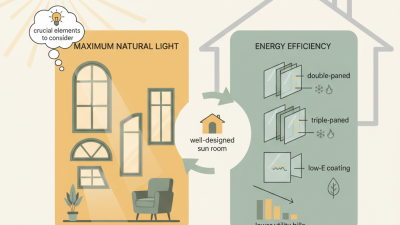
Sunroom windows must balance heat loss, solar gain, glare, and condensation. The right balance depends on climate and orientation. In cold regions, prioritize a low U-factor to reduce heat escaping through the glass. In hot, sunny areas, a lower solar heat gain coefficient can help limit overheating. South- and west-facing glazing may need more solar control than shaded north-facing windows. A common mistake is comparing glass alone; frames, seals, and installation also affect comfort.
The U.S. Department of Energy reports that windows can account for about 25–30% of residential heating and cooling energy use. This makes performance ratings more than a specification-sheet detail. Check U-factor and solar heat gain coefficient values tested under the National Fenestration Rating Council’s rating system. Also consider air leakage and condensation resistance, especially where winter temperatures drop or humidity stays high. A low U-factor alone is not a complete answer. Local weather data and room orientation still matter.
Tips: Match the rating to the project’s climate zone, not just the supplier’s headline claim. Ask for whole-window performance data, including the frame. For a west-facing sunroom, exterior shading may reduce late-afternoon glare. And test the assumptions: a highly insulated window can still feel uncomfortable if the seals or installation are poor.
Lower U-factor means less heat transfer through the window. These maximum values are from the U.S. ENERGY STAR Version 7.0 residential window criteria; they are regional benchmarks, not universal building-code requirements. For buyers in other countries, check local standards and consider SHGC, which affects how much solar heat enters the sunroom.
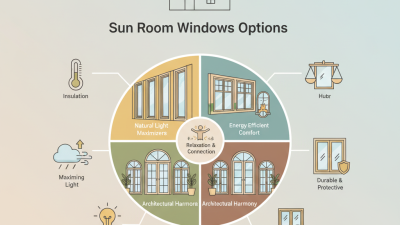
Sunroom windows are usually chosen by balancing daylight, ventilation, and heat control. Fixed windows create broad, uninterrupted views, but they cannot release warm air. Casement windows open outward and catch breezes well. Sliding windows save space, while awning windows can admit air during light rain. Small choices matter. A west-facing sunroom may need different glazing from a shaded garden room.
Frame material affects comfort and maintenance. Vinyl resists moisture and needs little upkeep, though frame profiles can be bulky. Aluminum allows slimmer sightlines and suits large panels, but thermal breaks help limit heat transfer and condensation. Wood offers a warm interior finish and useful insulation; it needs regular care, especially in humid or coastal settings. Fiberglass is dimensionally stable across temperature changes, though availability and cost vary by market. Check the full window specification, not just the frame label. Glass coatings, seals, drainage, and installation details all influence performance. I would not assume one material is best everywhere. Local climate, room orientation, and replacement-part access deserve equal attention, and buyers sometimes overlook that last point.
Compare common sunroom window styles, frame materials, glazing options, and practical selection factors. Actual thermal, acoustic, and weather performance depends on the complete window system, installation, and local conditions.
| Window Type | Typical Frame Materials | Common Glazing Options | Main Advantages | Points to Consider | Common Sunroom Use |
|---|---|---|---|---|---|
| Fixed (Picture) Window | Aluminum, uPVC, wood, or fiberglass | Double glazing; low-emissivity (Low-E) glass; laminated glass where safety is required | Provides broad, unobstructed views and daylight; has no opening sash or operating hardware. | Does not provide natural ventilation; large panes need suitable support and careful handling. | View-facing walls and areas paired with operable windows for ventilation. |
| Casement Window | Aluminum, uPVC, wood, or fiberglass | Double glazing; Low-E glass; optional gas-filled insulating glass units | Side-hinged sash opens outward and can direct breezes indoors; compression seals can provide a tight closure when properly designed and installed. | Requires outward clearance; exposed locations may need hardware and restrictors suited to local wind conditions. | Side walls where controllable ventilation and a clear view are desired. |
| Sliding Window | Aluminum, uPVC, or wood-clad systems | Double glazing; Low-E glass; laminated or tempered safety glass where specified | Moves horizontally without projecting into the room or outside; practical for wide openings. | Usually only part of the opening can be opened at one time; tracks require periodic cleaning. | Wide wall openings and spaces with limited clearance for hinged sashes. |
| Awning Window | Aluminum, uPVC, wood, or fiberglass | Double glazing; Low-E glass; safety glazing where required by code | Top-hinged sash opens outward; can allow ventilation during light rain depending on design and exposure. | May project outward and can be less suitable where wind-driven rain is severe; check opening size and hardware limits. | Higher wall sections or smaller openings used alongside fixed glazing. |
| Double-Hung Window | uPVC, wood, aluminum, or fiberglass | Double glazing; Low-E glass; optional laminated glass | Both sashes can move on many designs, giving flexible ventilation; does not project outward. | Performance depends on the sash and sealing design; check cleaning access and whether the sashes tilt inward. | Traditional-style sunrooms and openings where exterior clearance is limited. |
| Folding or Multi-Panel Window | Most commonly aluminum; other materials depend on the system | Single or double glazing, selected to suit climate and system design | Multiple panels can fold or stack to create a large opening between the sunroom and outdoors. | More moving parts and hardware require correct installation and maintenance; check thresholds, weather seals, and panel stack space. | Open-plan sunrooms designed to connect with a patio or garden in suitable weather. |
Material guide: Aluminum is lightweight and structurally useful for slender frames, but thermal-break design matters in temperature-controlled rooms. uPVC generally needs little routine painting or sealing, while frame size and local climate suitability should be checked. Wood offers a natural finish but typically needs more upkeep. Fiberglass is dimensionally stable and durable, though availability and system options vary by market. Confirm local building-code requirements, safety-glazing locations, wind loads, and energy-performance ratings before ordering.
A sunroom window must suit its climate, opening size, and installation details. Ask Chinese suppliers which performance standards apply in your destination market. Then request current test reports for air leakage, water penetration, wind resistance, and thermal performance. Check that the tested model, glass build-up, and frame match your order. A report for a similar product is not enough.
Inspect the factory’s quality process, not just its showroom. Ask how staff check frame dimensions, corner joints, seals, drainage paths, and hardware operation. Request inspection records and clear photos of the actual production line. A small sample can reveal rough edges or stiff locks, but it cannot prove long-term performance. That distinction matters. Verify certificates with the issuing body where possible, and confirm the supplier can provide traceable batch information.
Discuss glass thickness, coatings, spacer type, and frame finish in writing. These details affect comfort, condensation, and maintenance. Ask for drawings before production, including opening direction and fixing points. Packaging deserves attention too; corner protectors and separation between units can reduce transit damage. I would not rely on a confident sales answer alone. Some checks take time, and a perfect-looking sample may still leave questions about consistency. Ask how defects are handled, who pays for replacement parts, and what evidence is needed to make a claim.
Choosing sunroom windows starts with the room’s climate, orientation, and daily use. A west-facing glass wall can become uncomfortably hot by late afternoon, while a shaded north-facing room may need stronger insulation. The U.S. Department of Energy estimates that windows account for 25–30% of residential heating and cooling energy use. That figure is a useful warning, not a prediction for every sunroom.
Compare U-factor and solar heat gain coefficient (SHGC) ratings from recognized testing and certification programs, such as the National Fenestration Rating Council. Lower U-factor generally means less heat transfer; SHGC helps indicate how much solar heat enters. Choose based on local climate and room orientation, rather than chasing one number. Small details matter. Frame depth, operable sections, insect screens, and glass weight must match the structure and intended ventilation.
Installation can undo a good specification. Ask the project team to verify rough-opening dimensions, flashing, drainage paths, and the connection between window frames and the roof or wall system. DOE guidance stresses that correct installation is essential to window performance. For international projects, confirm rating units and test methods before comparing quotations; identical-looking figures may not be directly comparable. A drawing cannot show every site surprise. Allow time for a final measurement, even when the schedule feels settled.