How to Choose a Fuel Pump Motor Commutator in 2026
Choosing a Fuel Pump Motor Commutator in 2026 means looking beyond price and nominal fit. The commutator must work with the motor’s brushes, current, speed, temperature, and available space. A small mismatch can bring uneven wear, excess heat, or unstable operation. Fit matters. So does the way the pump is used.
Motor-design author Austin Hughes’s work offers a useful foundation. Applying that approach to commutator selection, the guiding principle is: “Match the commutator to the motor’s actual electrical and mechanical demands.” This is a paraphrased design principle, not a direct quotation. In practice, compare the original part’s diameter, bar count, copper condition, insulation, and connection points. Check brush compatibility and the manufacturer’s operating limits, too. A shiny surface alone proves little. That detail is easy to miss.
This guide explains how to assess those details, compare supplier information, and spot warning signs before choosing a replacement. It also considers heat, vibration, material consistency, and inspection records—factors that can affect service life. Where specifications are unclear, pause and verify them against the motor or pump manufacturer’s documentation. Guessing is tempting. It is not a reliable selection method. Some applications also differ more than product listings suggest, so this guide cannot replace model-specific engineering review. The aim is a careful, evidence-led choice for 2026, with practical checks readers can apply before ordering.
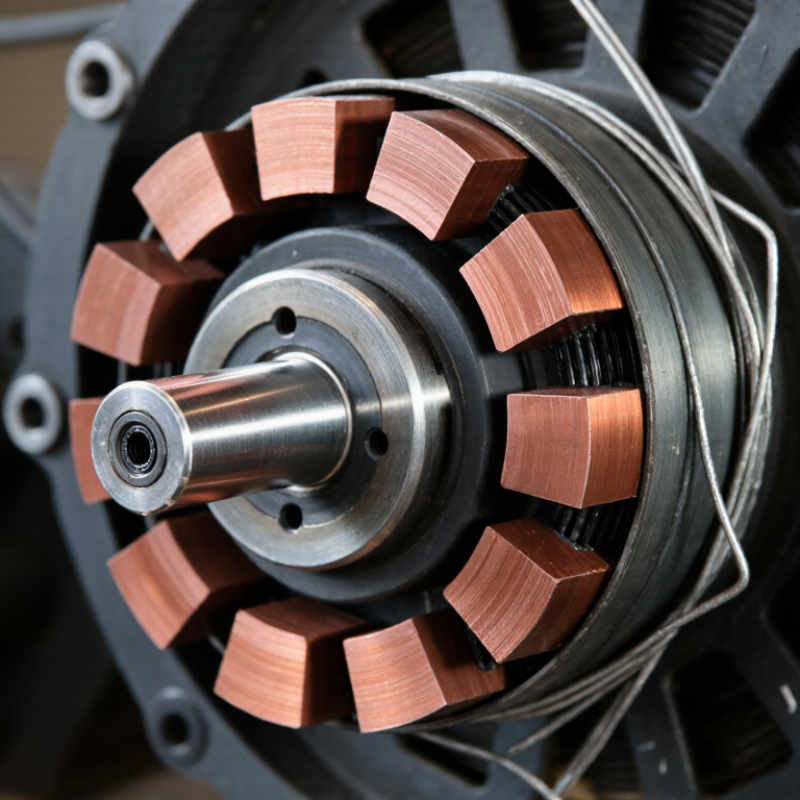
Identify the Fuel Pump Motor’s Operating Requirements
A fuel pump motor commutator must suit the motor’s real operating conditions, not just its dimensions. Start with the vehicle’s electrical system: record nominal voltage, expected voltage dips during cranking, and current under normal and high-load operation. Measure operating temperature near the motor, since heat can change brush contact and accelerate wear. Small details matter.
Next, identify the pump’s pressure range, flow demand, and duty cycle. A motor that runs continuously faces different commutator demands from one used in short bursts. Check rotational speed and starting torque, too. These affect current draw and the amount of heat generated at the commutator. Use measured operating data where possible; a specification sheet alone may not reflect a worn pump or a restricted filter.
Fuel exposure deserves careful attention. Confirm that the commutator materials, insulation, and associated brush system are compatible with the pump’s intended environment. Consider fuel type, temperature, vibration, and possible contamination. Inspect contact wear and discoloration on returned parts, then compare those marks with current and temperature readings. One imperfect measurement can mislead. Repeat it under realistic load before choosing a replacement, and document the test conditions so another technician can check the result.
Understand Commutator Design and Its Role in Motor Performance
How to Choose a Fuel Pump Motor Commutator in 2026
Understand Commutator Design and Its Role in Motor Performance
A fuel-pump commutator transfers current to the rotating armature through carbon brushes. Its segment count, copper quality, insulation, and surface finish influence starting, heat, wear, and electrical noise. Copper Development Association data puts standard copper conductivity near 58 MS/m at 20°C. That matters because resistance creates heat, especially when current is high or contact is poor. A small rough spot can become a visible wear track.
Choose a design for the pump’s actual voltage, current, speed, and fuel environment—not a catalog dimension alone. Check segment spacing and mica undercut, then inspect brush contact across the full commutator surface. Too little brush area can raise current density; excessive pressure can accelerate wear. There is no perfect geometry. A selection that works on a bench may behave differently after vibration, heat cycling, and prolonged operation. That detail is easy to underestimate.
Tips: Request material and dimensional tolerances, then test samples under representative load. Record current, temperature, noise, and brush wear over time. Compare results across units; one clean test is not enough. If wear appears uneven, revisit alignment and brush pressure before changing the copper grade.
Compare Commutator Materials, Dimensions, and Construction
When choosing a fuel pump motor commutator, compare copper grade, segment dimensions, and insulation as a matched set. Standard copper offers strong electrical conductivity, while harder copper alloys can better resist wear under demanding brush contact. The trade-off is real: added hardness may affect conductivity and machining. Mica between segments must remain even and secure, preventing electrical bridging as the commutator heats. Small differences matter.
Measure the original commutator’s outside diameter, bore, stack length, segment count, and shaft fit; do not rely on a visual match. Check runout and segment spacing, too. A part that looks close can create uneven brush wear or poor contact. Construction matters: inspect the risers or tabs where winding leads attach, and compare the insulation method and segment profile. For replacement decisions, consider current load, operating temperature, and the motor maker’s tolerances. A practical inspection uses calipers and a runout gauge, with worn surfaces cleaned before measurement. Still, these checks are not a perfect shortcut; hidden heat damage can change the fit after operation. Validate the selected dimensions and material against the motor’s service data before installation.
Check Compatibility with the Pump Motor and Electrical System
A fuel pump motor commutator must match more than the space inside the housing. Check its outside diameter, bore, length, and segment count against the original part and motor drawings. A mismatch can cause poor brush contact, vibration, or uneven wear. Measure carefully. A small difference matters.
Compatibility also depends on the electrical system. Confirm the motor’s rated voltage and current, then consider its operating speed and expected load. The commutator material and segment construction should suit the motor’s brushes and duty cycle. Inspect brush width and spring pressure, too; a replacement that looks correct may still make contact unevenly. Keep the terminals and insulation clear of damage.
Use reliable measurements rather than appearance alone. If the old commutator is worn, its dimensions may no longer represent the original specification. Compare available motor data, supplier drawings, and the pump manufacturer’s service information where possible. I have seen a part fit physically but perform poorly because its electrical rating was overlooked. That is an easy detail to miss. When specifications are unclear, pause and verify them with a qualified motor-repair professional before installation.
Evaluate Quality, Durability, and 2026 Supplier Standards
A fuel pump motor commutator faces repeated starts, vibration, heat, and brush wear inside a compact housing.
In 2026, compare more than the quoted price. Ask for copper-alloy composition, segment dimensions, runout limits, and inspection records. Small details matter. A slight burr can accelerate brush wear; uneven segment height may create noisy contact.
Use the Copper Development Association’s copper conductivity reference as a screening aid: annealed copper is listed at 100% IACS, about 58 MS/m at 20°C. This is a material benchmark, not a pass/fail limit for every commutator alloy. For critical dimensions, request process-capability evidence. AIAG’s Statistical Process Control guidance describes capability analysis; Cpk 1.33 is a common target, but application requirements can differ. Check how the supplier defines sampling and measurement conditions.
Supplier standards should include lot traceability, calibrated inspection equipment, change control, and documented corrective actions. Request test results after thermal cycling and vibration, not only a visual inspection under bright lights. Ask for samples from normal production, then compare resistance, surface finish, and commutator runout against your drawing. One blind spot: a neat certificate cannot prove stable performance in your exact pump assembly. Confirm the test method, sample size, and acceptance limits before approving production.
