How to Choose the Right Compound Steel Grating
Choosing Compound Steel Grating is not simply a matter of selecting a panel that fits an opening. The right design must match the actual load, support span, walking conditions, drainage needs, and surrounding environment. A compound panel typically combines a steel grating base with a solid or checkered plate. That construction can provide a more continuous surface, but it may also add weight and change how water, dirt, or debris moves across the floor. Small details matter. A forklift route, a wet stair landing, or a pipe opening can change the specification.
Corrosion deserves particular attention. AMPP’s IMPACT study, published in 2016 using 2013 data, estimated the global cost of corrosion at US$2.5 trillion, or 3.4% of global GDP. The study also reported that effective corrosion-management practices could reduce costs by 15% to 35%. These figures are not a product comparison, but they show why coating choice, drainage, and maintenance planning belong in the selection process. For each project, confirm the required loads and spans with a qualified engineer, then review material grade, surface finish, attachment method, and site exposure. Check the supplier’s drawings and load tables—not just the product name. A specification that looks complete on paper can still miss an awkward field condition. That is worth checking twice. This guide explains the practical factors behind a suitable Compound Steel Grating choice, while recognizing that no single configuration works for every site.
Understand the Structure and Components of Compound Steel Grating
How to Choose the Right Compound Steel Grating
Understand the Structure and Components of Compound Steel Grating
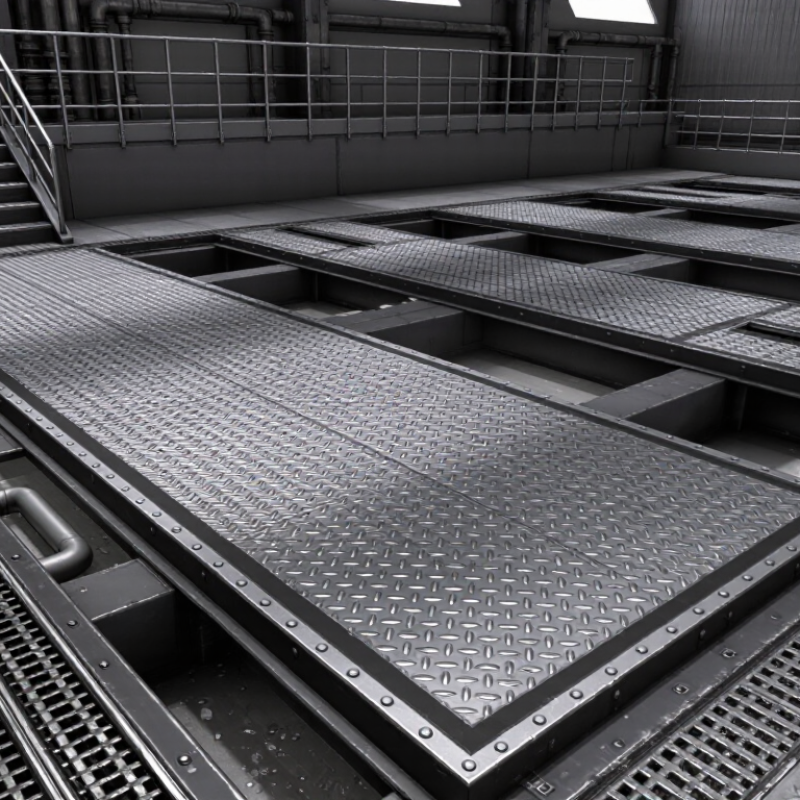
Compound steel grating usually combines a load-bearing steel grating panel with a solid steel plate fixed over it. The grating’s bearing bars carry the main load, while smaller cross bars hold the bars in position and help distribute force. The top plate provides a flatter surface and can reduce gaps where small objects might fall.
That matters.
Look closely at how the layers are joined. Welds or mechanical fasteners connect the plate to the grating, and their spacing can affect stiffness and service life. Perimeter frames may also be added to protect exposed edges and simplify installation.
Not always obvious.
Check the product drawing for plate thickness, bearing-bar depth, bar spacing, and connection details—not just the overall panel size.
The intended support layout matters too. A panel spanning between two beams behaves differently from one supported along several edges. Compare the stated load capacity with the actual span and expected use, and confirm that the support steel is suitable. A detail that is easy to overlook: the solid plate can add weight, even when the grating beneath it looks light. If dimensions or loading assumptions seem unclear, request a technical drawing or load table before specifying the panel.
Define Load, Span, and Traffic Requirements
Define the load before selecting compound steel grating. Include the grating’s own weight, people, stored materials, and any equipment. A trolley wheel creates a concentrated load, not an even spread. A small detail can change the panel choice.
Measure the clear span between supports and confirm which way the bearing bars will run. Longer spans usually increase deflection, even when the rated load seems adequate. Check the support width and how the grating will be fastened. Measure twice. For vehicle traffic, note axle or wheel loads, turning, braking, and repeated impacts. A slow maintenance cart is not the same as a loaded forklift. The attached plate may also affect stiffness and drainage, so specify its thickness and pattern rather than treating it as a cosmetic layer.
Compare the actual conditions with load tables for the exact panel configuration and span. Check both strength and acceptable deflection. If loads are uncertain, record the heaviest expected vehicle and ask a qualified engineer to verify the selection. I have seen early estimates miss occasional equipment movement; those assumptions deserve a second look.
Compare Steel Grades, Coatings, and Corrosion Resistance
Compound steel grating combines a load-bearing steel grid with a solid plate, so both parts need suitable grades and corrosion protection. Carbon steel is often practical for dry, inland sites, while stainless steel may suit wet or chemically exposed areas. Grade selection still depends on load, span, and temperature; corrosion resistance alone does not make a grating structurally suitable. Check the project specification and material certificates, not just the product description.
Coating choice matters. Hot-dip galvanizing provides a zinc barrier and sacrificial protection, but damaged edges, welds, and trapped moisture can become weak points. Paint systems can add protection, though they need sound surface preparation and maintenance. There is no perfect coating. The NACE International IMPACT study estimated global corrosion costs at US$2.5 trillion annually, about 3.4% of global GDP. That figure covers many industries, not grating alone, but it shows why exposure assessment is worth the effort. Compare the site’s humidity, salt spray, chemicals, and cleaning routine with coating and stainless-steel options; inspect cut edges and plate-to-grid joints closely. Real sites are messy, and a coating choice based only on a catalog can miss that.
Choose Panel Dimensions, Bearing Bars, and Surface Options
Choosing the right compound steel grating begins with the panel dimensions. Measure the clear opening between supports, not just the outside frame. Allow for bearing-bar direction and the specified seating at each edge. A few millimeters can complicate installation. Check the project drawings against actual site measurements; frames are not always perfectly square.
Bearing bars carry the main load, so select their depth, thickness, and spacing for the span and expected use. A longer span or concentrated wheel load may require stronger bars. Cross-bar spacing affects the openings and walking feel, but it does not replace a load check. Review manufacturer load tables or ask a qualified engineer when loads are uncertain. Small details matter. A design that looks sturdy can still flex more than expected.
Surface options shape both traction and maintenance. Serrated bars can improve grip where water, oil, or debris may collect, while smooth surfaces are often easier to clean. Galvanized finishes can help resist corrosion outdoors; coatings may suit specific environments, but compatibility matters. Think about drainage, footwear, cleaning tools, and exposure before choosing. There is rarely a perfect surface. A more aggressive texture may improve grip, yet hold dirt in its grooves. Check samples in the intended lighting and, where possible, underfoot.
Check Safety Standards, Installation, and Maintenance Needs
How to Choose the Right Compound Steel Grating
Safety, installation, and maintenance deserve equal attention when selecting compound steel grating. The BLS reported 5,283 fatal work injuries in the United States in 2023, including 885 deaths from falls, slips, and trips. Grating cannot prevent every incident, but suitable openings, slip resistance, and load capacity can reduce avoidable risks. Check OSHA’s Walking-Working Surfaces requirements and consult the NAAMM Metal Bar Grating Manual for load tables. Confirm that the specified panel suits the actual span, support spacing, and expected foot or equipment traffic. A paper specification may still miss site conditions.
Installation details matter. Make sure bearing bars sit on the intended supports, panels are secured against movement, and cut edges receive suitable protection. Keep drainage paths clear, especially where water, grit, or oily residue can collect. Inspect panels for loose fasteners, bent bars, corrosion, and damaged coatings. Record defects and arrange repairs before they worsen. Inspection routines can be overlooked when a floor looks clean.
Tips: Measure each opening before ordering. Compare the panel’s rated load with the real operating load, not an estimate made from memory. After installation, walk the area and check for rocking, sharp edges, and gaps. Keep a simple inspection log; it may feel fussy, but it helps reveal recurring trouble spots.
How to Choose the Right Compound Steel Grating
Compare the key checks when specifying grating. Scores show illustrative planning priorities, not measured performance or code requirements.
Verify applicable safety requirements and design loads for the project. Confirm panel dimensions and support details before installation, then set inspection and corrosion-protection plans to suit the environment.
