Blog

How to Find the Best Window Installers in China?

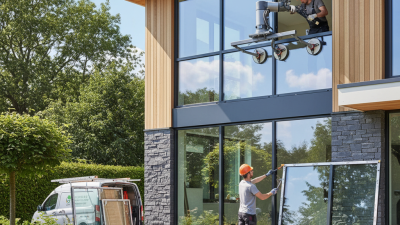
Choosing window installers in China takes more than comparing quotes. A low price can hide thin specifications, unclear warranties, or rushed site measurements. The right team should explain its process in plain language and show how each detail protects performance.

A practical principle captures the point: “The window matters, but the installation decides whether it performs as intended.” No verified expert source was supplied for that wording, so it is presented as an editorial principle, not a quotation from a named specialist. For a publishable expert quotation, confirm the speaker’s identity and exact words before attribution.

Look closely at the work, not only the showroom sample. Ask how installers measure each opening, prepare the sill, seal the frame, and check drainage. Request recent project references, product specifications, and a written scope of work. One useful test: can the team explain its choices without evasion?

Small details matter. A poorly sealed corner may admit water after heavy rain. An uneven frame can make a sash difficult to operate. These problems are easy to miss during a brief sales meeting.

China’s window market includes many product types, suppliers, and installation practices. Requirements also vary by building and climate. Compare at least two detailed proposals, then check who handles adjustments after installation. Do not assume the factory and installation crew share responsibility.

This guide offers a practical way to assess window installers, ask sharper questions, and spot gaps before signing. Some decisions still involve judgment. That deserves a second look.

How to Find the Best Window Installers in China?

Define Your Window Installation Needs and Project Scope

Before contacting window installers in China, define what each room needs. A bedroom facing a busy street may need stronger sound reduction, while a sunny living room may need better heat control. Note the window type, approximate dimensions, opening direction, and number of units. Measure carefully, but treat your figures as estimates; an installer should verify every opening on site.

Set the project scope in writing. Include the building location, access conditions, preferred materials, finish, screens, hardware, removal of old frames, and cleanup. Specify whether the work covers supply, installation, sealing, and repairs around the openings. For apartments, check building-management requirements and delivery or working-hour limits before scheduling. Ask installers to identify exclusions and explain how they handle uneven walls or damaged frames. Small details matter. I have seen scope notes miss disposal, which can lead to awkward cost discussions later.

Tips: Photograph every opening, including the sill and surrounding wall. Label each photo by room, and share the same measurements and requirements with every installer. Ask for an itemized quotation and an on-site measurement before confirming the order. If you are unsure about a material or performance claim, request its specifications in writing. It is worth checking twice.
Research Installer Qualifications, Experience, and Local Coverage

How to Find the Best Window Installers in China?

Ask each installer what qualifications and training their team has, and request details you can verify. Check applicable business documents and ask who will supervise the work. A polished quotation is not proof of skill. That matters.

Look for experience with windows similar to yours, including the frame material, building type, and local weather. Ask for recent project references, not only carefully selected photos. If possible, speak with a previous customer about measurement accuracy, cleanup, and how the installer handled problems. I admit this step can feel awkward, but vague answers are useful information too. Small details count.

Confirm where the team actually works and whether it can return for adjustments after installation. A company may advertise broad coverage while relying on distant crews. Ask who will take measurements, who will install the frames, and whom you should contact if a sash sticks or rain appears around the sill. Not just promises. Request a written scope that names these responsibilities. During a site visit, notice whether the installer checks wall openings and discusses sealing methods, rather than estimating from a doorway. If answers seem rushed, pause and compare another proposal.

Compare Product Options, Installation Methods, and Detailed Quotes

When comparing window installers in China, separate product choice from installation service. Ask each provider to quote the same opening sizes, glass configuration, frame material, and hardware. Compare thermal and acoustic performance using documented specifications, not phrases such as “premium quality.” A sample corner joint or drainage detail can reveal more than a polished catalogue. Details matter.

Installation methods vary with the building and wall condition. Ask whether installers use measured site templates, how they level and anchor frames, and which sealing materials they plan to use. Request photos of similar completed projects, especially around sill corners and exterior joints. On site, note how the crew protects floors and removes old frames. A technically strong window can still leak if the opening is poorly prepared.

Request an itemized quote showing product dimensions, glass and hardware, delivery, installation labor, removal, sealing, and exclusions. Confirm the currency, payment milestones, lead time, warranty scope, and who handles adjustments after fitting. Ask whether taxes and transport are included, and get changes in writing. Quotes are not always perfectly comparable; some installers describe allowances vaguely. Flag those gaps and request revised figures before making a decision.

How to Find the Best Window Installers in China? - Compare Product Options, Installation Methods, and Detailed Quotes

Product Option Typical Configuration Performance and Trade-Offs Suitable Applications Installation Method to Compare Items to Require in the Detailed Quote
uPVC window Multi-chamber PVC frame; commonly paired with double glazing. Reinforcement, hardware, seals, and glass build-up vary by specification. Frames have low thermal conductivity and do not need repainting. Confirm frame reinforcement, drainage design, hardware capacity, and the tested whole-window thermal and air/water performance. Homes and apartments where low maintenance and thermal insulation are priorities. Remove the existing frame for a full-frame replacement, or retain it only when it is sound and the opening detail allows a secure, properly sealed installation. Frame and sash profiles; reinforcement material and locations; glass type and thickness; opening style; hardware; removal and disposal; fixing; perimeter insulation and sealant; finishing; warranty.
Thermal-break aluminum window Aluminum frame with a thermal break between interior and exterior sections; available with double or triple glazing. Offers a slim-frame option and good structural rigidity. Thermal performance depends on the thermal-break design, frame size, glass, spacers, and seals; request whole-window test data rather than glass-only figures. Large openings, contemporary designs, and projects that need a balance of frame strength and insulation. Check frame anchoring and perimeter sealing against the wall substrate. For large or heavy units, require a documented lifting and fixing plan. Frame series and thermal-break details; coating or finish; glass make-up; hardware and load limits; opening dimensions; installation materials; access or lifting charges; finishing; warranty.
Non-thermal-break aluminum window Aluminum frame without an insulating thermal break; generally specified with single or insulating glass depending on the project. Durable and slim, but the frame conducts heat more readily than a comparable thermally broken frame. Check condensation risk and suitability for the local climate and building requirements. Some mild-climate, utility, or budget-sensitive applications where thermal targets permit this construction. Confirm that the existing opening and wall junction can be sealed effectively; specify perimeter sealing and drainage details in writing. Frame and finish; glass specification; hardware; measured opening; removal and disposal; fixing and sealant; water-management details; finishing; warranty and exclusions.
Timber window Engineered or solid timber frame, usually supplied with a factory-applied coating and insulating glass. Timber is a natural insulator and can be repaired or refinished. Durability depends on timber selection, coating quality, exposure, drainage, and ongoing maintenance. Renovations, traditional designs, and projects where a natural interior finish is preferred. Use compatible fixings and moisture-resistant perimeter details. Confirm how the installer will protect the frame and finish during transport and installation. Timber species or material description; coating system and finish; glass; hardware; site protection; fixing and moisture sealing; finishing; maintenance guidance; warranty.
Composite window Combined materials, such as a timber interior with an aluminum exterior, or other manufacturer-defined frame combinations. Can combine different material properties, but construction and performance differ substantially between designs. Compare documented test results and clarify which surfaces need maintenance. Projects seeking a specific combination of interior appearance, exterior protection, and thermal performance. Follow the system-specific fixing and sealing instructions. Ask the installer to identify how the outer and inner frame components connect and drain. Exact material build-up; frame and cladding details; finish; glazing; hardware; system test documents; installation materials; finishing; maintenance and warranty terms.
Installation and quote comparison checklist Apply the same measured opening sizes, window schedule, glass specification, opening direction, and finish requirements to every installer’s quotation. For a fair comparison, request whole-window U-value and relevant air, water, and wind-resistance test information where available. Confirm the test standard, product configuration, and whether the data applies to the quoted size. All replacement and new-build projects; especially useful when comparing quotations with different inclusions. Ask whether the quote assumes full-frame removal or installation into an existing frame. Require details for measurement, fixings, perimeter insulation, internal and external sealing, drainage, finishing, and site cleanup. Separate quantities and prices for products, glass upgrades, measurement, delivery, access or lifting, removal, disposal, installation labor, sealing materials, finishing, taxes, payment stages, lead time, warranty, and exclusions.

Comparison note: Performance depends on the complete window assembly and installation, not frame material alone. Ask each installer for a site-measured quotation, written product specifications, installation scope, warranty terms, and a clear list of exclusions. Thermal values should identify whether they refer to the glass (Ug) or the complete window (Uw).

Verify Contracts, Warranties, Safety Standards, and After-Sales Service

A reliable window installer should put every promise in writing. The contract should list frame material, glass type, finish, hardware, opening direction, and exact measurements. Ask whether removal of old windows, interior trim, sealing, and debris cleanup are included. A vague phrase like “complete installation” can hide extra charges. Keep copies. Check payment stages and how approved changes will be recorded. If the contract is in Chinese and you do not read it fluently, get a trusted translation before signing. That small pause is useful.

Ask for written warranty terms for both products and installation. Confirm coverage periods, exclusions, claim steps, and who pays for inspection or replacement. A warranty is less useful if no one answers the phone. Request relevant product test reports and safety documentation, then check that they match the window type being supplied. On site, installers should use suitable protective equipment and secure ladders or platforms, especially near upper-floor openings. Ask who supervises the crew and how hazards are handled. After-sales service should name a contact, response time, and repair process. Details matter. I would also ask how minor alignment issues are handled; buyers sometimes overlook them until a sash sticks after the first cold season.

Inspect Workmanship and Confirm Installation Quality Before Acceptance

How to Find the Best Window Installers in China?

A good installation is visible in the details, not just the finished frame. Check that each sash opens and closes smoothly without scraping or needing extra force. Look at the corners, joints, and sealant lines; gaps should be consistent, and the sealant should sit firmly against both surfaces. A neat bead can still conceal a poor fit. Look closely.

Use a small level to check whether frames appear straight, and inspect fasteners for secure, even placement. Ask the installer to show you the drainage openings and explain how water is directed away from the interior. Then test every lock and handle yourself. One window working well proves little. Try them all, including those in less convenient rooms.

Before acceptance, inspect the work in daylight and ask for any defects to be corrected while the crew is present. Photograph uneven joints, scratched glass, or sealant gaps, and record which window needs attention. Confirm that the agreed adjustments are complete before signing off or making the final payment. It is easy to rush this stage; I would not. Even a careful check can miss a small defect, so keep the inspection notes and installation details for later reference.