
Precision windows are designed to deliver controlled dimensions, tight tolerances, and predictable performance. They are not simply attractive glass panels. Their frames, seals, glazing units, and hardware must work together with unusual accuracy. A few millimeters can affect air leakage, water resistance, thermal comfort, and installation quality.
Building-science expert Joseph Lstiburek, Ph.D., famously states, “A window is a hole in a wall.” That simple observation explains why precision windows matter. They must close that opening without creating a weak point in the building envelope. Low-emissivity glass can reduce heat transfer. Multi-chamber frames can improve insulation. Carefully fitted gaskets can limit drafts and moisture intrusion. The result should feel quiet, stable, and comfortable beside the glass.
But precision does not mean perfection. Even an advanced window can perform poorly when the opening is measured incorrectly or the sill is not properly prepared. Installation matters as much as manufacturing. Weather, building movement, and maintenance also influence long-term results. This is where the subject becomes less tidy than product brochures suggest.
This guide examines what precision windows are, how their components work, and why tolerances matter. It also considers the practical details often overlooked, including alignment, glazing selection, drainage, and sealing. The goal is not to promise flawless performance. It is to explain what reliable performance requires.
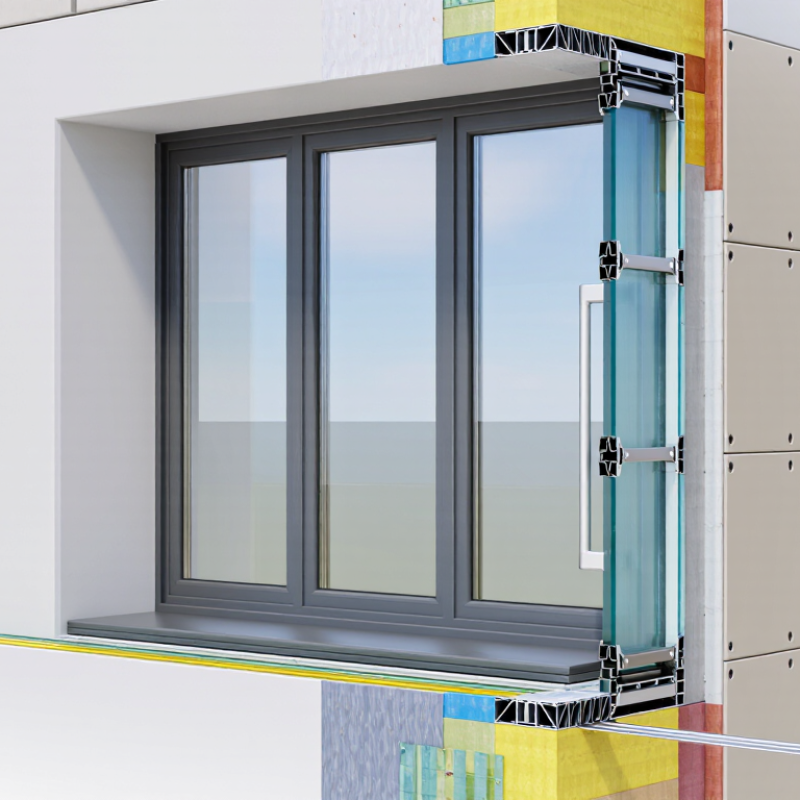
Precision windows are designed and manufactured to fit exact building openings. The term usually describes tight dimensional control, careful glazing, and consistent frame construction. It is not always a regulated label, so specifications matter more than the name.
Manufacturers begin with detailed measurements of the wall opening, not just the old window frame. Computer-controlled cutting helps keep frame sections accurate. Glass panels may include insulating layers, low-emissivity coatings, or laminated construction. Seals then limit air leakage around the glass and frame. Thermal breaks in metal frames can reduce heat transfer. Small differences matter here. A gap of only a few millimeters can affect sealing, alignment, and operating force.
Installation is equally important. I have seen well-made windows perform poorly because installers ignored uneven masonry or compressed the seals incorrectly. A precision product cannot correct every site problem. That is an uncomfortable limitation. Proper shimming, fastening, flashing, and insulation around the frame help protect the intended performance. Testing may include air leakage, water resistance, and structural pressure checks, depending on the project.
The main difference is controlled accuracy. Standard windows often rely on common sizes and broader tolerances. Precision windows are usually selected for demanding renovations, unusual openings, or stronger energy targets. Their value comes from the complete system: measured opening, engineered frame, suitable glass, reliable seals, and careful installation. Without that chain, “precision” becomes little more than a sales phrase.
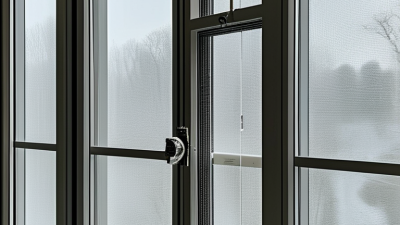
Precision windows are engineered optical barriers used in cameras, sensors, laser systems, and vacuum equipment. Unlike ordinary glass, they must control light transmission, surface flatness, thickness, and alignment. Their main components include the optical substrate, protective coatings, sealing elements, and a supporting frame or mount.
The substrate may be fused silica, optical glass, or another transparent material selected for its wavelength range and thermal stability. Anti-reflective coatings reduce unwanted reflections, while hard coatings help protect the surface from cleaning and handling. The frame holds the window without creating uneven pressure. This detail matters. Excessive clamping can bend the surface and distort an image.
Precision windows work by preserving a controlled optical path. Light enters through a carefully polished surface, passes through the material, and exits with minimal scattering or deviation. Parallel surfaces reduce beam displacement, while a slight wedge can prevent reflected light from returning directly into the detector. In vacuum applications, seals maintain pressure differences and limit contamination. Engineers verify performance through measurements such as interferometry, transmission testing, and leak checks. Still, specifications can look perfect on paper. Installation stress, dust, or temperature changes may reduce real-world accuracy.
What Are Precision Windows and How Do They Work?
How Precision Windows Control Light, Heat, and Visibility
Precision windows are designed to manage daylight rather than simply admit or block it. Their glazing may combine low-emissivity coatings, solar-control layers, and adjustable shading. These components influence three conditions: light levels, indoor heat, and outside visibility. On a bright afternoon, a window can reduce harsh glare while preserving a clear view of trees or nearby buildings. That balance matters in offices, bedrooms, and rooms with screens.
Some systems change tint electronically. Sensors read sunlight, room temperature, or occupancy, then send signals to the glazing or shading device. A darker setting limits solar radiation before it becomes indoor heat. A clearer setting supports daylight and reduces dependence on electric lighting. Manual controls remain useful. Sensors can misread a cloudy sky or react too slowly. Small details matter. Frame depth, glass direction, and nearby walls all affect performance.
In real projects, precision depends on careful installation and honest testing. A well-specified window can still perform poorly if seals leak or controls are badly commissioned. Measure glare near the actual desk, not only during design reviews. Check the room at morning, noon, and late afternoon. Visibility also involves privacy; reflective glass may look clear outward while revealing interiors after dark. Results vary. That is worth admitting. Energy savings, comfort, and view quality should be verified after occupants use the space, because real habits rarely match the original model.
| Control Dimension | What It Controls | Typical Measurement | How the Window Works | Practical Effect |
|---|---|---|---|---|
| Visible Light Transmission | The amount of visible sunlight entering a room | VT percentage; higher values mean more daylight | Uses glazing composition, coatings, tint, and shading layers to filter daylight | Balances natural illumination with glare control |
| Solar Heat Gain | The amount of solar energy transferred indoors | Solar Heat Gain Coefficient, generally from 0 to 1 | Low-emissivity coatings and solar-control glass reflect or absorb part of the radiation | Can reduce cooling loads in sunny conditions |
| Thermal Insulation | The rate at which heat passes through the window assembly | U-factor; lower values indicate better insulation | Multiple panes, sealed insulating gaps, warm-edge spacers, and low-e coatings slow heat transfer | Helps maintain more stable indoor temperatures |
| Glare Reduction | Excessive brightness and reflected light at the eye or on screens | Visible transmittance, luminance, and shading position | Adjustable blinds, shades, films, frits, or electrochromic layers reduce direct and diffuse brightness | Improves visual comfort and screen readability |
| Privacy and Visibility | The ability to see through the window and limit outside views | Transmittance, reflectance, opacity, and viewing angle | Tints, translucent layers, blinds, and switchable glazing alter the visual path | Allows daylight while managing visibility into or out of a space |
| Color Rendering | How naturally objects and finishes appear under transmitted light | Spectral transmittance and color-rendering metrics | Selectively transmits or filters wavelengths across the visible spectrum | Supports accurate appearance of interior colors |
| Dynamic Tinting | The changing level of light and solar control during the day | Number of tint states, switching time, and VT range | An electrical signal or control system changes the optical state of the glazing | Provides adjustable light, heat, and visibility control without replacing the glass |
Note: Performance values vary by glazing type, frame design, window orientation, climate, and shading strategy. The metrics shown are standard methods used to compare window performance.
Precision windows are optical components designed to transmit light while protecting sensitive equipment. Unlike ordinary glass, they require controlled flatness, thickness, parallelism, and surface quality. These specifications help preserve image clarity and reduce unwanted beam distortion. A precision window usually sits between an optical system and its environment. It may separate a vacuum chamber, shield a sensor, or protect a laser path from dust and moisture.
Common types include flat windows, wedged windows, curved windows, and wavelength-specific windows. Flat windows support general imaging and inspection systems. Wedged windows use slightly angled surfaces to reduce reflected beams returning toward a laser source. Curved windows fit pressure vessels or compact imaging housings, although their shape can introduce optical power.
Materials also vary. Fused silica suits ultraviolet and visible light, while infrared applications often require specialized crystal or ceramic materials. The right choice depends on wavelength, pressure, temperature, and chemical exposure.
Applications appear in spectroscopy, machine vision, medical instruments, aerospace sensors, and industrial laser equipment.
In practice, engineers check transmission data, coating durability, and sealing compatibility together. A strong coating cannot fix poor mechanical alignment. Small scratches may also become serious under high-power illumination.
I have found that drawings often overlook cleaning access and replacement time. That is a practical weakness. Precision should include service conditions, not only laboratory measurements.
Precision windows are optical components that protect sensors, cameras, and measurement systems while allowing selected light to pass through. Their performance depends on material, thickness, surface flatness, wavelength range, and coating quality.
A window may look perfectly clear, yet small surface errors can distort an image or reduce measurement accuracy.
Selecting one requires more than matching its diameter. Confirm the operating wavelength, temperature range, pressure conditions, and required transmission level.
For ultraviolet systems, fused silica may be suitable, while other applications may require optical glass or infrared materials.
Check coating durability as well. An efficient coating can reduce reflection, but it may not tolerate repeated cleaning or high humidity.
Mounting pressure also matters. Excess force can bend the window slightly. That detail is easy to miss.
Maintenance should begin with prevention. Use protective caps, clean gloves, and a controlled storage area.
Inspect the surface under angled light before cleaning. Loose dust can create scratches during wiping.
Remove it with filtered air, then use approved optical tissue and a compatible solvent.
Never rub a dry, contaminated surface.
Keep a service record with cleaning dates, visible damage, and transmission results when available.
In practice, maintenance routines are rarely perfect. Staff may hurry, or a window may be cleaned too often. Reviewing these habits can reveal avoidable wear before it affects data quality.