
Blog

10 Best Aluminum Composite Panel Suppliers in 2026

Choosing among the 10 Best Aluminum Composite Panel Suppliers in 2026 requires more than comparing prices. A panel may look flawless under showroom lighting, yet fail expectations after years of sunlight, rain, wind, and cleaning. Reliable selection depends on core composition, aluminum thickness, coating performance, fire classification, production consistency, and documented quality control.

Thomas Herzog, a respected authority on lightweight building envelopes, wrote, “The façade is the mediator between interior and exterior.” That idea remains practical today. A dependable Aluminum Composite Panel supplier must connect attractive design with measurable building performance. Buyers should examine test reports, warranty terms, technical data, factory capacity, and project references. A supplier with responsive engineering support can also prevent costly mistakes during cutting, routing, fixing, and installation.

This guide evaluates leading suppliers through those real-world details. It considers finish stability, color availability, customization, delivery reliability, and compliance with recognized safety standards. Some rankings may still invite debate. Regional logistics, project scale, and local regulations can change the best choice. That is worth remembering.

A low quotation is not always economical. Hidden costs may appear through damaged sheets, inconsistent batches, weak technical support, or delayed replacement materials. The strongest suppliers provide traceability from coil preparation to finished panel packaging. They also communicate limitations honestly. That matters.

Whether you are planning a ventilated façade, retail frontage, transit facility, or interior feature wall, this comparison offers a practical starting point. Verify every certificate independently before purchasing. Even excellent information deserves a final check.
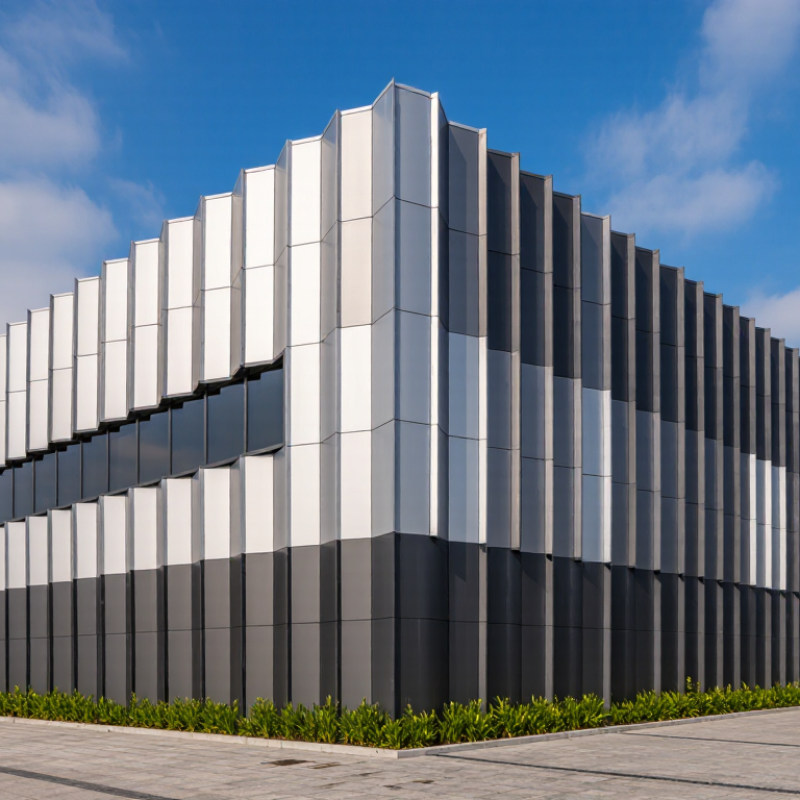
10 Best Aluminum Composite Panel Suppliers in 2026

What Are Aluminum Composite Panels and Why Do Suppliers Matter?

Aluminum composite panels (ACPs) are lightweight facade sheets made from two aluminum skins and a bonded core. That sounds simple. The core may contain polyethylene or mineral material, depending on the required fire performance. Coatings protect the surface from ultraviolet exposure, moisture, and everyday abrasion. Panel thickness, alloy, coating quality, and bonding method can change service life significantly.

Grand View Research estimated the global ACP market at roughly USD 6.7 billion in 2023. Its forecast indicates about 6% annual growth through 2030. These figures show rising demand, not guaranteed quality. Suppliers matter because they control material consistency, production records, testing, packaging, and delivery reliability. A low quotation can conceal thinner skins, weaker bonding, or incomplete fire documentation.

Reliable purchasing requires more than attractive samples. Request batch certificates, coating specifications, warranty terms, and test reports for the exact panel assembly. Check fire classifications under EN 13501-1 or surface-burning results under ASTM E84, where applicable. Also review color tolerance and flatness after exposure testing. Project reviews often reveal a practical problem: samples look excellent, while later batches vary slightly. That weakness deserves attention. A capable supplier should explain tolerances clearly, provide traceable production details, and support replacement decisions when panels fail inspection.

How to Evaluate Aluminum Composite Panel Suppliers in 2026

Evaluating aluminum composite panel suppliers in 2026 requires more than comparing prices. Ask for technical data, coating specifications, core composition, and fire-performance reports. Reliable suppliers should provide traceable batch records and clear production tolerances. Missing documents deserve attention.

Request physical samples before approving a large order. Check the panel surface under angled light, press the corners, and inspect the protective film. A consistent color matters, but so does flatness after cutting. Ask how the supplier controls humidity, storage, and transport damage. These details often reveal practical manufacturing discipline.

Factory evidence remains important. Review quality-control procedures, testing equipment, worker training, and typical lead times. Independent laboratory reports add credibility, especially when local construction requirements are strict. Speak with recent customers about delivery accuracy and complaint handling. A long warranty sounds useful, yet its exclusions may be more revealing. Read every condition.

Price can mislead. A cheaper panel may require extra framing, replacement, or slower installation. Compare the full project cost, not only the square-meter rate. One weakness remains difficult to judge remotely: whether production quality stays consistent during busy seasons. A video call helps, but an on-site audit gives stronger evidence. Suppliers should welcome reasonable questions, even uncomfortable ones. Be cautious when answers arrive late or remain vague.

Top 10 Aluminum Composite Panel Suppliers to Consider

Top 10 Aluminum Composite Panel Suppliers to Consider

Choosing among the top 10 aluminum composite panel suppliers requires more than comparing catalog prices. Product consistency, coating performance, fire classification, and technical support matter on real projects. A panel may look excellent under showroom lights, yet fail expectations when exposed to coastal humidity or strong ultraviolet radiation.

Grand View Research reports that the global aluminum composite panels market is expanding at roughly 6% annually through the decade. MarketsandMarkets also identifies construction renovation and lightweight façades as important demand drivers.

These figures support a growing supplier field, but market reports use different definitions. Their estimates are not perfectly aligned. Buyers should check the methodology before trusting impressive forecasts.

During supplier evaluation, request recent test reports, production tolerances, warranty terms, and batch traceability. Review core thickness, aluminum skin gauge, paint system, and bonding quality. Samples should be inspected at an actual jobsite, not only on a desk. Small details matter. Ask how the supplier handles scratched sheets, delayed deliveries, and replacement claims. An experienced procurement team should also compare factory audits, regional inventory, and technical response times. The cheapest quotation can become expensive after cutting waste, color variation, or installation delays. Suppliers with clear documentation usually create fewer surprises, although no supplier is flawless.

Key Products, Certifications, and Services Offered by Leading Suppliers

Leading aluminum composite panel suppliers provide more than standard sheets and attractive color charts. Their product ranges often include PE-coated panels for interiors, PVDF-coated panels for exterior façades, and fire-retardant or mineral-core panels for demanding projects. Some also offer brushed, stone-textured, wood-grain, and custom-color finishes. A sample should be checked in daylight, not only under showroom lighting.

Reliable suppliers support their claims with current test reports and traceable production records. Look for ISO 9001 quality management, ISO 14001 environmental management, and ISO 45001 occupational safety certification. Depending on the market, relevant fire tests may include EN 13501-1, ASTM E84, or other recognized standards. Certifications alone are not enough. Confirm the testing laboratory, panel thickness, core type, and report date before approval.

Useful services include project-based color matching, CNC cutting, grooving, bending, sample preparation, and technical drawing support. Experienced teams can advise on panel thickness, joint spacing, fixing systems, and protective films. They should also explain packaging details, moisture protection, delivery schedules, and warranty conditions. A site audit may reveal more than a polished brochure. Some suppliers respond quickly but provide vague documentation, which creates risk. I have found that clear communication about tolerances and replacement procedures often matters as much as the lowest quotation.

10 Best Aluminum Composite Panel Suppliers in 2026 - Key Products, Certifications, and Services Offered by Leading Suppliers

Comparative supplier profiles based on commonly documented product specifications, international testing standards, technical services, and project capabilities.

Rank / Supplier Profile Primary Market Coverage Key ACP Products Core Specifications Relevant Certifications and Tests Finishes and Colors Services Offered Typical Applications
01
Supplier Profile A
Asia-Pacific, Middle East, Africa, Europe Exterior architectural panels; fire-retardant panels; signage-grade panels 3–4 mm total thickness; 0.30–0.50 mm aluminum skins; PE or mineral-filled core ISO 9001 quality systems; EN 13501-1 reaction-to-fire classification; ASTM E84 testing available PVDF, FEVE, polyester, anodized-look, wood-grain, stone and custom colors Color matching, CNC cutting, routing, folding, samples, shop drawings and export packaging Curtain walls, façades, canopies, column covers and corporate signage
02
Supplier Profile B
Europe, North America, Central Asia A2 mineral-core panels; low-smoke panels; high-durability façade panels 4 mm panels; mineral core; flatness-controlled aluminum skins; non-combustible options EN 13501-1 Class A2 options; ISO 9001; façade fire-performance documentation subject to project review Solid colors, metallic shades, brushed effects, matt and gloss surfaces Façade engineering support, fire documentation, fabrication details, installation guidance and testing coordination High-rise façades, public buildings, transport facilities and renovation projects
03
Supplier Profile C
North America, Latin America and the Caribbean Architectural wall panels; signage panels; impact-resistant panels 3–6 mm thickness range; aluminum skins selected by wind-load and fabrication requirements ASTM E84 surface-burning testing; ASTM D2244 color measurement; ISO 9001 or equivalent quality controls PVDF and SMP coatings; metallic, mica, solid and wood-effect finishes Project estimating, cut-to-size service, route-and-return fabrication, field support and replacement panels Retail fronts, schools, healthcare buildings, airports and commercial exteriors
04
Supplier Profile D
Gulf region, Africa, South Asia and Southeast Asia UV-resistant façade panels; heat-reflective panels; exterior cladding panels 3–4 mm panels; protective film; coating systems designed for high solar exposure ISO 9001; ISO 14001 where available; coating performance evaluated using recognized ASTM or EN methods Light-reflective colors, metallic finishes, sand textures and custom architectural shades Thermal-color consultation, façade detailing, sample approval, container loading and regional delivery Hotels, villas, shopping centers, office buildings and desert-climate façades
05
Supplier Profile E
East Asia, Oceania and selected European markets Interior decorative panels; antibacterial surface panels; ceiling and partition panels 2–4 mm thickness; PE, FR or mineral core; smooth and hygienic surface options ISO 9001; indoor-air or VOC documentation may be available; ASTM D3359 coating adhesion testing Digital prints, marble, timber, brushed metal, solid colors and satin finishes Digital printing, small-batch production, design consultation, cutting and protective packaging Retail interiors, restaurants, offices, hospitals, clean areas and exhibition spaces
06
Supplier Profile F
Europe, the United Kingdom and selected export markets Premium façade systems; cassette-ready panels; low-carbon aluminum options 4 mm standard format; recycled-content options; coil-coated aluminum skins EN 13501-1 documentation; ISO 9001; ISO 14001; environmental product information may be project-specific Anodized, metallic, matt, textured and premium solid-color finishes BIM objects, specification writing, engineering review, façade-system coordination and lifecycle documentation Sustainable commercial buildings, institutional façades and large refurbishment programs
07
Supplier Profile G
South America, Central America and coastal markets Corrosion-resistant panels; marine-climate panels; exterior renovation panels 3–4 mm panels; enhanced coating and protective-film options for humid environments ISO 9001; ASTM B117 salt-spray testing may be requested; ASTM D2247 humidity resistance may be available PVDF, polyester, marine-grade colors, textured and wood-look finishes Substrate consultation, corrosion-environment selection, fabrication, packing and project replacement support Coastal buildings, residential towers, hotels, balconies and industrial facilities
08
Supplier Profile H
North Africa, Europe and the Middle East Fire-rated cladding panels; rainscreen panels; ventilated façade components 4 mm panels; mineral-filled core options; compatible with cassette and wet-joint systems EN 13501-1; project-specific façade fire assessments; ISO 9001 quality management Matt, gloss, metallic, stone, timber and custom powder-coated appearances Wind-load guidance, panel detailing, substructure coordination, mock-up support and installer training Apartment buildings, public infrastructure, schools and ventilated rain-screen façades
09
Supplier Profile I
Southeast Asia, South Asia and Oceania Economical PE-core panels; FR panels; interior and exterior signage sheets 2–4 mm panels; standard and custom sheet sizes; protective film for fabrication Factory quality inspection; ISO 9001 where certified; ASTM or EN test reports available by product grade Solid colors, gloss, matt, brushed, mirror-effect and digital-print surfaces Low-volume orders, rapid samples, cut-to-size sheets, mixed-container loading and private-label-free export packing Shop signs, kiosks, interior walls, small commercial façades and renovations
10
Supplier Profile J
Global project supply through distributors and fabricators Custom-formed panels; perforated panels; curved and special-shape façade panels 3–6 mm thickness; CNC-compatible; available in flat, routed, folded and perforated formats ISO 9001; ASTM E84 or EN 13501-1 testing according to core; coating adhesion and weathering tests on request Perforated patterns, metallic, wood, stone, solid, gloss and super-matt finishes 3D modeling, CNC fabrication, prototype development, mock-ups, installation manuals and technical submittals Feature façades, architectural screens, canopies, curved forms and branded commercial interiors

Selection note: Certification scope, fire classification, coating warranty, recycled content, available dimensions and lead times vary by product series and project location. Buyers should request current certificates, test reports, technical data sheets and project-specific compliance documentation before purchase.

How to Choose the Right Supplier for Your Project

Choosing the right aluminum composite panel supplier starts with your project’s actual conditions. Indoor walls, coastal façades, and high-traffic interiors need different specifications. Ask for the alloy grade, panel thickness, core type, coating system, and available surface finishes. Do not rely on attractive samples alone. A panel may look excellent under showroom lights but perform poorly beside salt air or strong sunlight.

Request recent test reports from independent laboratories. Check fire performance, coating durability, weather resistance, and dimensional stability. Confirm that the documents match the exact panel construction you will receive. A reliable supplier should explain production tolerances without avoiding difficult questions. Visit the factory if possible. Observe sheet storage, protective film application, cutting accuracy, and quality-control records. Small details matter.

Delivery capability can decide whether a project stays profitable. Compare minimum order quantities, lead times, packaging methods, replacement procedures, and technical support. Ask how damaged panels are handled after arrival. Get every promise in writing, including color consistency between batches. References from similar projects are useful, but inspect them carefully. Some testimonials reveal little about long-term performance. I have learned that the cheapest quotation often excludes trimming, freight, or installation guidance. That mistake becomes expensive later. A supplier who admits limitations may be more dependable than one offering perfect answers. Keep a sample from the approved batch, record its specifications, and compare it with delivered materials before installation.

10 Best Aluminum Composite Panel Suppliers in 2026: How to Choose the Right Supplier for Your Project

Use this transparent evaluation framework to compare shortlisted suppliers without relying on brand names. The weighting reflects the practical priorities commonly used in architectural cladding and construction procurement.

Fire-performance documentation and coating durability should receive the greatest attention because they affect regulatory approval, safety, appearance retention, and long-term maintenance. Before placing an order, verify test reports, product specifications, coating warranties, sample consistency, lead times, and project-specific technical support.