Top 10 Tips for Professional Glass Installation You Need to Know
When it comes to glass installation, whether for residential or commercial spaces, precision and expertise are crucial for achieving the desired outcome. Installing glass involves not only the aesthetic aspect but also ensuring safety, durability, and functionality. Without the right knowledge and techniques, even the highest quality glass can result in poor installation that compromises both appearance and performance. This article delves into the top 10 tips that every professional in the glass installation field should keep in mind to ensure a successful project.
Understanding the nuances of glass installation is essential for delivering high-quality results. From selecting the appropriate type of glass to mastering the tools and techniques for installation, each step plays a significant role in the overall success. Whether you are a novice setting out to learn the trade or a seasoned installer seeking to refine your skills, these tips provide valuable insights that can enhance your approach. By focusing on proper preparation, execution, and follow-up, you can elevate your glass installation projects to new heights, ensuring that they meet both visual and structural criteria.
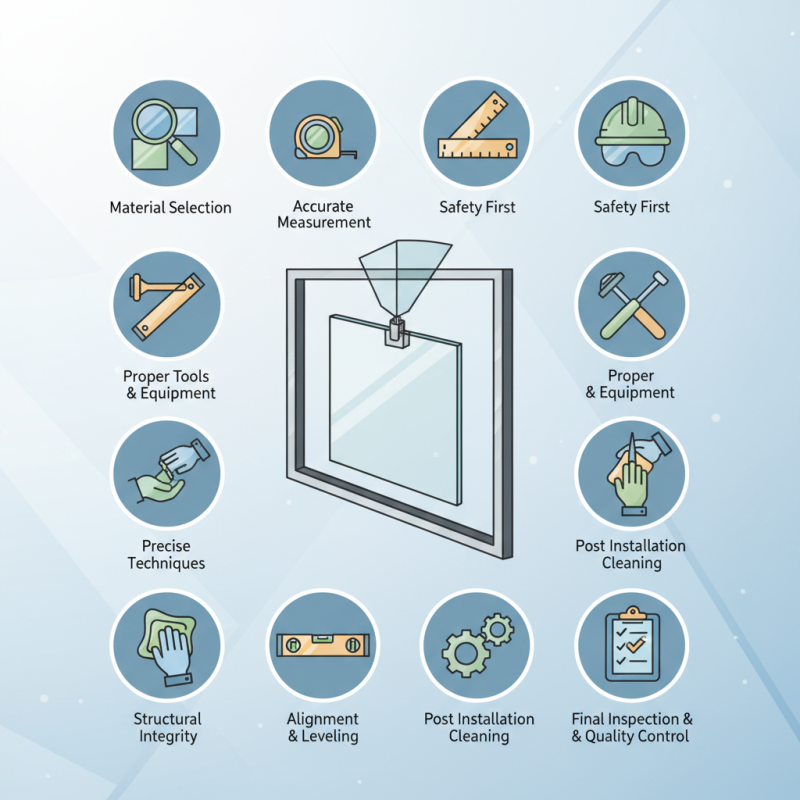
Essential Tools for Professional Glass Installation
When it comes to professional glass installation, having the right tools is essential for achieving quality results. First and foremost, a reliable glass cutter is a must-have. Different types of glass require specific cutting tools, so investing in a sturdy and precise cutter ensures clean edges and reduces the risk of breakage. In addition to the cutter, a glass handling suction cup is crucial for safely lifting and maneuvering large sheets of glass without fear of dropping or damaging them. These suction cups provide a secure grip and allow for easier positioning during installation.
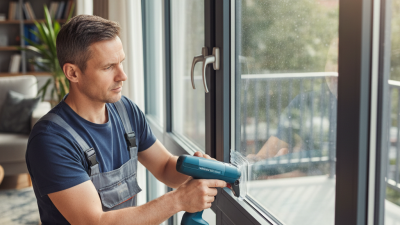
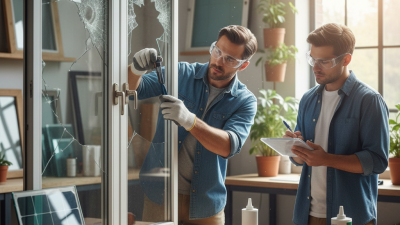
Another important tool in the glass installation arsenal is the glazing gun, commonly used for sealing edges and securing glass in place with high-quality adhesives. The glazing gun not only provides accuracy in applying the adhesive but also helps in achieving a neat finish that enhances the overall appearance of the installation. Lastly, a set of protective gear, including gloves and safety glasses, cannot be overlooked, as they ensure the safety of the installer throughout the project. By equipping yourself with these essential tools, you set the stage for a successful and professional glass installation every time.
Top 10 Essential Tools for Professional Glass Installation
Understanding Different Types of Glass and Their Applications
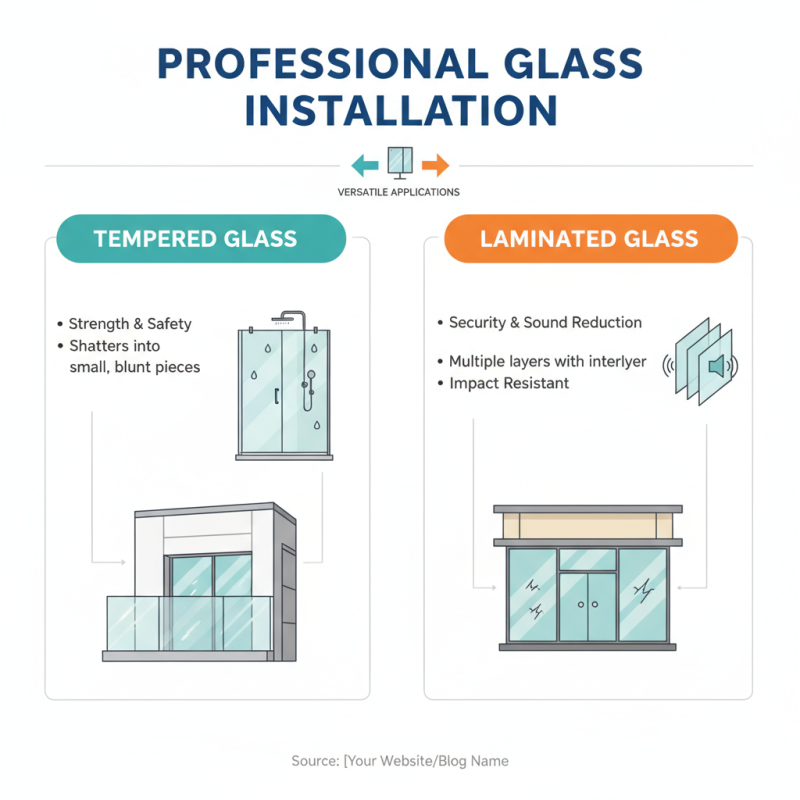
When it comes to professional glass installation, understanding the different types of glass and their applications is crucial. Various types of glass fulfill specific roles based on their properties. For instance, tempered glass is known for its strength and safety, making it an ideal choice for shower doors, glass railings, and even facades. Its ability to shatter into small, blunt pieces enhances safety in both residential and commercial settings. Laminated glass is another popular option, especially in buildings where security and sound reduction are priorities. This glass consists of two or more layers, bonded together with an interlayer, providing resistance against impacts and reducing noise transmission.
Additionally, low-emissivity (Low-E) glass is essential in energy-efficient buildings, as it reflects infrared energy while allowing visible light to pass through. This type of glass significantly improves thermal performance, thereby reducing heating and cooling costs. It’s particularly effective for windows in climates with extreme temperatures. For applications requiring enhanced clarity and minimal distortion, optical glass is the preferred choice, often used in specialty lenses and scientific instruments. By understanding these diverse glass types, professionals can make informed decisions to meet the unique requirements of their projects, ensuring optimal performance and aesthetic value.
Step-by-Step Guide to Accurate Measuring and Cutting
Accurate measuring and cutting are essential skills in professional glass installation, setting the foundation for a successful project. Begin by gathering the right tools, including a measuring tape, straight edge, and a glass cutter. Ensure you work in a well-lit area to enhance visibility, as precision is key in this process. When measuring, always take multiple measurements at different points on the glass to account for any discrepancies in the surface. Mark your measurements clearly with a fine-tip marker, creating guidelines that will aid in making clean cuts.
Once you have your measurements, it's time to cut the glass. Position the glass securely on a flat, stable surface to prevent movement during cutting. Use a straight edge to guide the glass cutter, applying even pressure to score a straight line across the marked area. It's crucial to score only once to avoid jagged edges. After scoring, position the glass with the score line over a sharp edge and apply gentle pressure, allowing the glass to break cleanly along the line. With practice, these steps will not only improve your accuracy but also ensure that your glass installations are both professional and aesthetically pleasing.
Top 10 Tips for Professional Glass Installation You Need to Know
| Tip Number |
Tip Description |
Important Tools |
Estimated Time |
| 1 |
Measure Twice, Cut Once |
Measuring Tape, Square |
15 mins |
| 2 |
Use Proper Safety Gear |
Safety Glasses, Gloves |
5 mins |
| 3 |
Choose the Right Glass Type |
Glass Samples, Catalog |
20 mins |
| 4 |
Double Check Your Measurements |
Retractable Measuring Tape |
10 mins |
| 5 |
Cut Glass with Precision |
Glass Cutter, Straight Edge |
30 mins |
| 6 |
Inspect Glass for Damage |
Inspection Lights |
10 mins |
| 7 |
Use the Correct Adhesive |
Adhesive Samples, Applicator |
15 mins |
| 8 |
Practice proper sealing techniques |
Caulking Gun, Sealant |
20 mins |
| 9 |
Allow Proper Drying Time |
Timer |
Varies |
| 10 |
Final Inspection |
Inspection Checklist |
10 mins |
Safety Precautions Every Glass Installer Should Follow
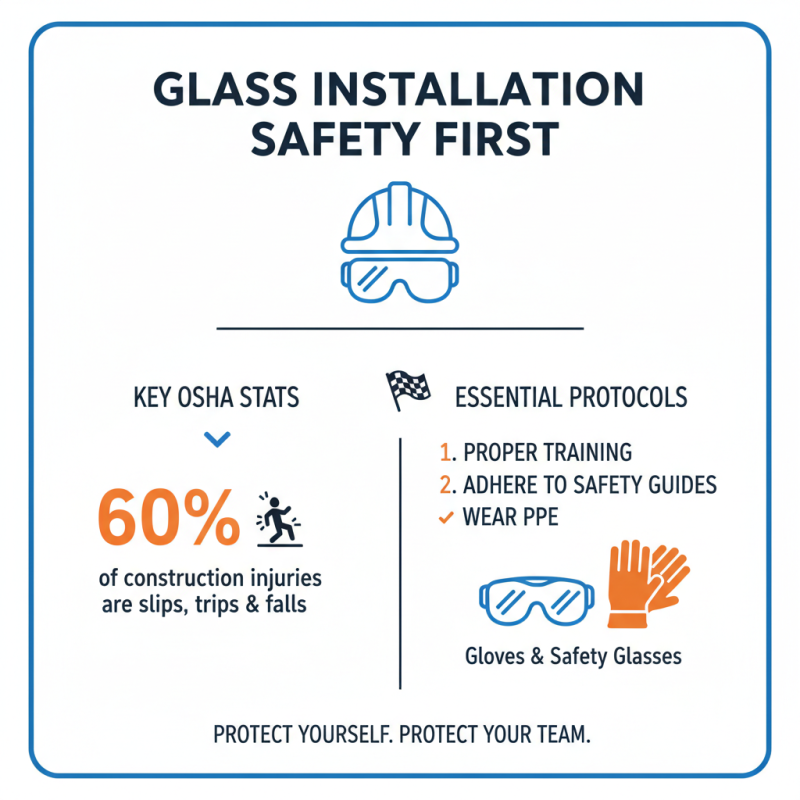
When it comes to glass installation, safety should always be the primary concern for professionals in the field. According to the Occupational Safety and Health Administration (OSHA), approximately 60% of injuries in the construction industry involve slips, trips, and falls. Therefore, proper training and adherence to safety protocols are essential. Installers should always wear personal protective equipment (PPE), such as gloves and safety glasses, to reduce the risk of injury from sharp edges or flying glass shards.
In addition to wearing the right gear, it’s crucial to follow material handling guidelines. Glass can be heavy and unwieldy, often requiring two or more individuals to handle it cautiously. The National Safety Council reports that lifting techniques account for a significant percentage of worker injuries. Installers should utilize appropriate lifting tools or equipment whenever possible and ensure that their lifting posture minimizes strain on the back.
Furthermore, it's important to maintain a clean and organized workspace. Clutter can lead to accidents, and a clear work area allows for efficient movement and prevents hazards. Establishing a safety checklist prior to beginning a project can help installers remain vigilant and mitigate risks. By prioritizing these safety precautions, glass installers can create a safer working environment, ultimately leading to a more successful and efficient installation process.
Tips for Ensuring a Secure and Long-Lasting Installation
When it comes to professional glass installation, ensuring a secure and long-lasting fit is paramount. One of the first steps is to assess the installation site thoroughly. This includes checking for any structural issues that could compromise the glass's stability. Properly preparing the surface is crucial; it should be clean, dry, and free of any debris to achieve optimal adhesion. Furthermore, using high-quality sealants and adhesives designed specifically for glass can prevent leaks and enhance durability.
Another essential tip is to choose the right type of glass for the specific application. Different environments and building requirements may call for varying thicknesses and treatments of glass. Once the installation begins, employing the right techniques is equally important. This includes correctly aligning the glass and utilizing appropriate support systems during the process to prevent shifting. Finally, regular maintenance checks post-installation can significantly extend the life of the glass and help identify any potential issues before they escalate. With careful planning and execution, you can ensure that your glass installation not only looks great but also stands the test of time.