Blog

Top 10 Water Drilling Rig Manufacturers for Global Buyers

A Water Drilling Rig is more than a machine on a jobsite. It must match local geology, borehole depth, water needs, and transport conditions. A compact rig may suit a remote village with narrow access roads. A larger rotary rig may be better for hard rock or deeper wells. The right choice affects drilling speed, operating costs, maintenance, and the quality of the finished borehole.

Groundwater scientist Dr. John Cherry’s work points to a practical principle: “Understand the aquifer before choosing the rig.” This is an editorial paraphrase, not a verbatim quotation. It reflects an important distinction: equipment specifications matter, but so does the ground beneath the site. No single manufacturer or model fits every project. That is worth remembering.

This guide compares ten Water Drilling Rig manufacturers for global buyers. It considers product range, drilling methods, customization, service support, and suitability for different operating conditions. Buyers should also check spare-parts availability, operator training, and the manufacturer’s experience in comparable geology. A brochure can show impressive reach and power. It cannot, by itself, prove dependable support in a distant region.

The list is a starting point, not a universal ranking. Project requirements vary, and published specifications may not capture field performance. Use the comparisons to ask better questions, then verify claims with manufacturers and local drilling professionals before making a purchase.
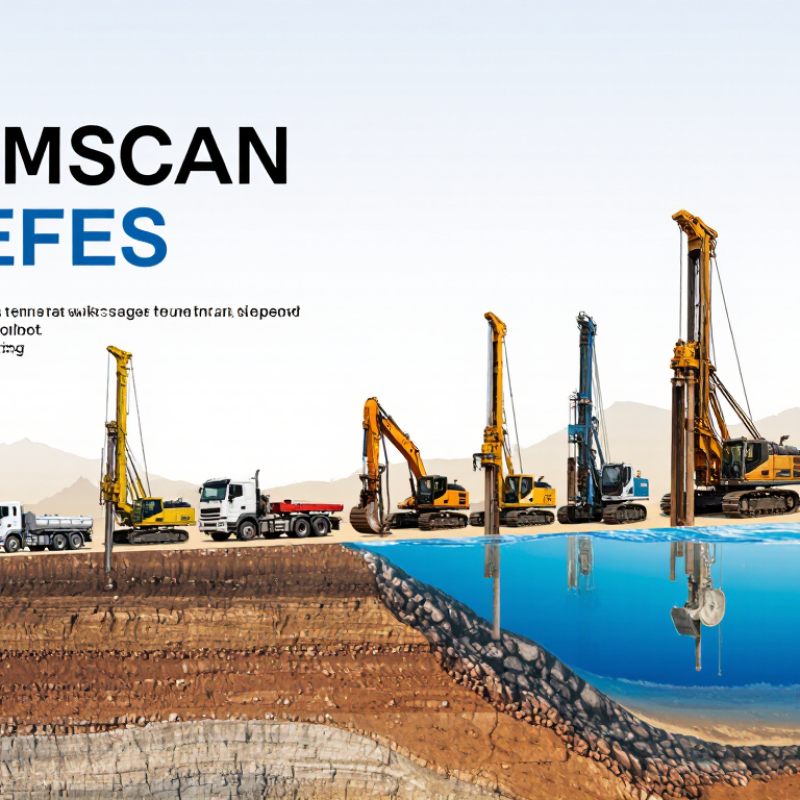
Top 10 Water Drilling Rig Manufacturers for Global Buyers

Water Drilling Rigs: Types, Uses, and Core Components

Top 10 Water Drilling Rig Manufacturers for Global Buyers

Water Drilling Rigs: Types, Uses, and Core Components

Water drilling rigs create boreholes for household, agricultural, municipal, and monitoring wells. Rotary rigs turn a drill bit while circulating drilling fluid to carry cuttings upward. Down-the-hole hammer rigs use compressed air to drive a hammer through hard rock. Cable-tool rigs raise and drop a heavy bit; they work slowly but can suit some small or shallow projects. Ground conditions matter.

A rig’s mast supports the drill string and lifting equipment. The rotary head turns the rods, while the bit cuts through soil or rock. A pump moves drilling fluid, or an air compressor supplies airflow, depending on the method. Power systems, winches, and control panels keep the equipment operating. Actual setup varies. A capable rig still needs suitable rods, bits, and circulation equipment for the site.

How to Evaluate Water Drilling Rig Manufacturers

A manufacturer’s brochure is only a starting point. WHO and UNICEF’s 2023 Joint Monitoring Programme estimated that 2.2 billion people lacked safely managed drinking water in 2022. That need makes dependable equipment important, but it does not make every rig suitable. Ask manufacturers to match rated depth, rotary torque, feed force, and pump capacity to your target geology and well design. A rig intended for soft sediment may struggle in fractured rock. Get the limits in writing.

Check evidence, not just claims. Request drilling records from comparable projects, including formation, final depth, daily output, and downtime. Ask for a live demonstration under load, and inspect welds, hoses, control labels, and access to routine service points. UNESCO’s 2022 World Water Development Report notes that groundwater supplies about half of domestic water withdrawals worldwide. That figure makes pump and borehole compatibility worth checking carefully. A powerful rig is not automatically an efficient system.

Service support can decide whether a project stays on schedule. Confirm local technician availability, spare-part lead times, operator training, and warranty exclusions before comparing prices. Ask for a parts list with model-specific references. Small details matter. I would treat polished specifications with caution until they are backed by test data; even a well-documented machine can underperform when operators lack training or site conditions change. Compare the manufacturer’s stated capacity with verified results from similar ground, not an ideal test site.

Top 10 Water Drilling Rig Manufacturers for Global Buyers

Choosing among the top 10 water drilling rig manufacturers starts with the ground, not the catalog. A rig suited to soft alluvial soil may struggle in fractured rock. Compare drilling depth, torque, feed force, and the diameter of casing each machine can handle. Ask for operating limits, not just maximum figures. A pump test sheet and a clear maintenance schedule can reveal more than polished product photos.

Global buyers should also examine transport dimensions, spare-parts availability, and technician support in the destination region. A compact rig might fit a narrow access road, while a larger mast could save time on deep wells. Check what the quoted package actually includes: drill rods, mud pump, compressor, tools, and training may be priced separately. Small details matter. Confirm warranty terms and request references from projects with similar geology and working conditions.

A reliable manufacturer should explain trade-offs plainly and provide documentation that buyers can verify. Ask how the rig performs in abrasive formations, how often key components need service, and what routine checks operators must complete. Compare delivery timelines and local compliance requirements before paying a deposit. Even careful comparisons miss something; site conditions can change unexpectedly. That is why a realistic demonstration, where available, may be worth more than a confident promise.

Water Well Drilling Rig Depth Ranges

Indicative drilling-depth capabilities by rig configuration, shown in meters. Actual capacity varies with geology, drilling method, tooling, and rig specifications.

Use these broad ranges as a starting point when comparing equipment; confirm rated depth and site suitability with the manufacturer.

Comparing Rig Technologies, Capabilities, and Specifications

A useful comparison of water drilling rigs starts with the ground they must penetrate. Rotary rigs suit many sedimentary formations and offer flexible drilling methods. Down-the-hole hammer systems can advance efficiently through hard, fractured rock. Some rigs combine methods, but added versatility can mean more controls, maintenance, and operator training. No rig is best everywhere.

Specifications need context. Rated depth is only meaningful when matched to hole diameter, drill pipe, and formation conditions. Compare mast pullback, rotary torque, and available feed force, not depth alone. Check pump flow and pressure against the planned drilling method and expected water-bearing layers. Small details matter: a rig that handles casing smoothly may save hours on a difficult borehole. Very practical.

Mobility also shapes performance. A compact truck-mounted unit may reach narrow rural tracks, while a heavier crawler can provide stability on uneven ground. Ask manufacturers for operating ranges, setup requirements, service intervals, and documented performance in comparable geology. Published figures are useful, but field results can vary with tooling and crew experience. That comparison is imperfect, and it should be. A specification sheet cannot show how quickly a crew can change rods in rain or access a worn component. Request clear test conditions before comparing claims.

Global Purchasing Factors: Compliance, Support, and Parts Availability

For global buyers, compliance means more than collecting a certificate. ISO’s 2022 Survey recorded over 1.26 million valid ISO 9001 certificates worldwide. Yet quality-management certification alone does not prove that a rig meets local electrical, emissions, or pressure-equipment requirements. That distinction matters. Ask for current test reports, component specifications, and manuals in a language your technicians can use. Check that the documents match the exact rig configuration, not just a similar model.

Support deserves the same scrutiny as purchase price. The World Bank’s 2023 Logistics Performance Index assessed 139 countries across six dimensions, including shipment tracking and timeliness. Those measures do not predict one rig’s delivery, but they show why clear logistics plans matter. Request realistic lead times for pumps, rods, filters, and control components. Confirm whether parts are stocked regionally and how urgent shipments are handled. A promised spare is less useful if its location and dispatch time remain unclear.

Before ordering, ask who provides commissioning, operator training, and troubleshooting after installation. Put response times and parts terms in writing. A small wear-part kit can prevent avoidable downtime at a remote site. Still, even careful checks can miss a local requirement; have a qualified engineer review the specifications before shipment. A neat brochure is not field support.

Top 10 Water Drilling Rig Manufacturers for Global Buyers - Global Purchasing Factors: Compliance, Support, and Parts Availability

Priority Purchasing Factor Evidence to Request What Global Buyers Should Check
1 Destination-market compliance A list of applicable regulations and conformity documents for the rig and its components. Confirm requirements for the country of use before ordering. CE marking applies to products covered by relevant European Union legislation; it is not a general-purpose quality certificate.
2 Quality-management certification A current quality-management certificate, including its scope, issuing body, and validity dates. Check that the certificate covers the relevant manufacturing activity and legal entity. ISO 9001 specifies requirements for a quality-management system; it does not certify a particular rig's performance.
3 Engine and emissions requirements Engine make and model, emissions documentation, and available engine configurations. Verify the rules applicable to the destination and intended use. Engine-emissions requirements vary by jurisdiction, equipment category, and engine configuration.
4 Rig configuration for the project A technical specification covering drilling method, mast, power system, feed, pump or compressor options, and compatible tooling. Match the configuration to the planned borehole diameter, depth, ground conditions, water supply, site access, and available transport. Request a written confirmation of the proposed setup.
5 Performance claims and test basis Rated specifications and the conditions or configuration used to establish them. Compare drilling-depth claims only when the method, borehole diameter, ground conditions, tooling, and rig configuration are comparable. A stated maximum depth alone is not a like-for-like performance measure.
6 Warranty terms Written warranty duration, covered components, exclusions, claim procedure, and responsibility for freight or labor. Confirm when coverage starts, which parts are considered wear items, and how claims are handled across borders. Do not rely on verbal assurances in place of contract terms.
7 Installation, commissioning, and training A commissioning plan, operator-training scope, language options, and any associated costs. Agree in writing whether support is on-site or remote, what the buyer must provide, and whether training materials and operating manuals are supplied in a usable language.
8 Parts catalog and interchangeability A parts catalog with part numbers, recommended service items, and identification of compatible or superseded parts. Ask for a project-specific critical-spares list. Confirm that parts can be identified from the rig's serial number and that replacement items match the supplied configuration.
9 Parts stock and delivery planning Written information on stock locations, order process, estimated lead times, shipping options, and export documentation. Lead times and availability depend on the part and destination. Obtain current estimates for critical items and clarify who handles customs paperwork, duties, and transport.
10 After-sales service and technical support Support contact details, service coverage, response process, diagnostic resources, and escalation procedure. Confirm support hours and time-zone coverage, the availability of remote troubleshooting, and whether local technicians are authorized and trained for the equipment being purchased.