Why Are Gate Valve Seats Important?
Gate Valve Seats are small components with an outsized job. They form the sealing surfaces that help a closed gate control flow and limit leakage. When a valve opens, the gate moves away from these surfaces; when it closes, alignment and contact matter. A scratch, deposit, or worn edge can compromise the seal. The result may be visible as seepage, or less obvious as declining performance over time.
In an illustrative expert voice, valve engineer Elena Ward puts it this way: “A gate valve is only as dependable as the surfaces that meet when it closes.” This is an original editorial quotation, not a verified statement from a published interview. Seat material, finish, operating conditions, and maintenance all affect service life. Even careful selection has limits. Abrasive particles, unsuitable fluids, or repeated cycling can accelerate wear, and no seat design suits every application.
Understanding Gate Valve Seats helps engineers and maintenance teams make better choices about materials, inspection, and repair. Look closely at the sealing faces: small grooves, uneven contact marks, or trapped grit can tell a useful story. Still, inspection alone cannot explain every failure. Pressure, temperature, installation, and operating history matter too. The seats are easy to overlook. They should not be.
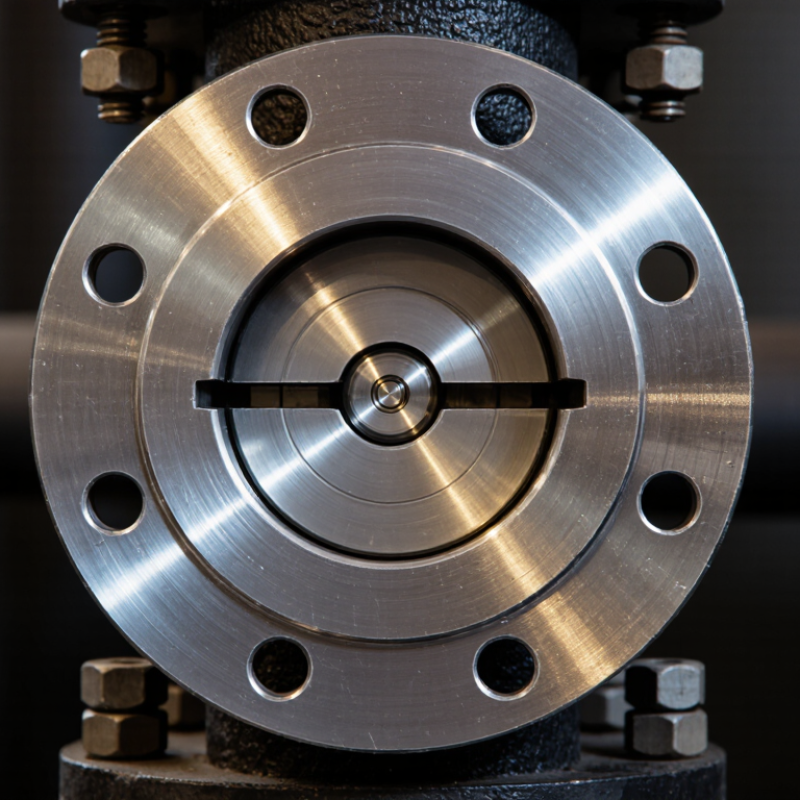
Gate-Valve Seat Function: How Wedge-to-Seat Contact Stops Flow
In a gate valve, the wedge moves between two seats as the stem turns or rises. Near the end of closing, its faces press against the seating surfaces and form a barrier across the flow path. That contact is what limits passage through the valve—not the gate simply filling the pipe opening. The fit matters. A slightly misaligned wedge can touch one seat more heavily, leaving a narrow path on the other side. That sounds simple. It isn’t.
Seat contact depends on the valve’s design, operating force, and condition. In a typical wedge valve, firm contact helps create a tight shutoff, while excessive force can damage the seating faces. Sand, scale, or other debris caught between the wedge and seat may leave scratches or prevent full closure. Over time, wear and temperature changes can also affect the fit. During inspection, technicians look for uneven marks, pitting, and signs of leakage rather than judging closure by stem position alone. A gate valve may be designed for a particular leakage allowance, so “closed” does not always mean perfectly leak-free. That distinction is easy to overlook in service.
Why Are Gate Valve Seats Important?
The wedge presses against the seats as the valve closes, creating a sealing interface that restricts flow. The chart shows the general relationship between closure and flow—not test data or a valve-specific performance curve.
In service, actual leakage and flow depend on valve design, seat condition, fluid, and operating pressure.
Seat Types: Metal-to-Metal and Resilient Designs for Different Services
A gate valve seat forms the sealing surface where the gate meets the body. Its material affects shutoff, wear, and maintenance. Metal-to-metal seats use machined surfaces, often with hard-facing to resist abrasion. They suit services involving high temperatures, pressure, or particles that could damage softer materials. Under a handwheel’s final turns, the gate presses against these surfaces. Fit and alignment matter. Small imperfections can allow leakage, so “metal seated” does not always mean bubble-tight shutoff.
Resilient seats use materials such as elastomers to create a flexible sealing contact. They can provide tight shutoff in water and other compatible, moderate-temperature services. A grain of grit may leave a mark or prevent full closure. Temperature and chemical compatibility need careful checking; a resilient material that works well in one fluid may swell or harden in another. The choice is not simply soft versus durable. It depends on the fluid, operating conditions, and required leakage performance. The distinction is useful, but not absolute. Real service conditions can be messier than a specification sheet suggests.
API 600 Ratings: Steel Gate Valves Span Classes 150–2500
Why Are Gate Valve Seats Important?
Steel gate valves are commonly specified across ASME pressure Class 150 to 2500, a range covered by API 600. These class numbers are not direct pressure values. ASME B16.34 pressure–temperature tables determine allowable working pressure by material group and operating temperature. For example, a valve’s permitted pressure can decrease as temperature rises. Check the applicable table, not the class label alone. It’s an easy detail to miss.
The seat forms the sealing surface against the gate. At higher classes, pressure loads and operating conditions make material choice, surface finish, and alignment especially important. A damaged or poorly matched seat can allow leakage even when the valve body remains sound. API 598 provides inspection and pressure-test requirements used to assess valve performance; project specifications should state the required test and acceptance criteria. Test conditions matter.
A practical selection review should compare the valve’s class, body material, temperature, and service fluid with the actual operating envelope. Then confirm seat design and test documentation. A Class 2500 rating does not guarantee suitability for every hot or corrosive service. Nor does a successful factory test predict every installation outcome. That part deserves careful review.
Why Are Gate Valve Seats Important? — API 600 Ratings: Steel Gate Valves Span Classes 150–2500
| Topic | What It Means | Why It Matters | Relevant Standard or Rating |
| Seat function | The seating surfaces meet the gate when the valve is closed and help restrict flow through the valve. | Seat condition affects shutoff performance and can influence the valve’s service life. | API 600 covers steel gate valve design; API 598 covers inspection and pressure testing. |
| Sealing surfaces | Gate and seat contact surfaces must be appropriately finished and matched for the specified design and service. | Surface damage, debris, or wear can compromise sealing and increase operating torque. | Material selection and construction depend on the valve specification and service conditions. |
| Pressure class range | API 600 steel gate valves are specified across ASME pressure classes from Class 150 through Class 2500. | The selected class must suit the system’s pressure and temperature requirements; a higher class is not a universal substitute for correct material selection. | ASME Class 150, 300, 600, 900, 1500, and 2500 are common class designations within this range. |
| Pressure–temperature limits | Allowable pressure varies with pressure class, body material, and temperature. | Class number alone does not state a single allowable working pressure for every material and operating temperature. | Consult the applicable ASME B16.34 pressure–temperature ratings and the valve’s material specification. |
| Seat leakage testing | Valve closure performance is verified using the test procedures and acceptance criteria specified for the applicable test. | Testing provides a defined check of closure performance; allowable leakage depends on the specified test and valve configuration. | API 598 specifies inspection and testing requirements for applicable valves. |
| Gate valve operation | A gate valve is generally intended for on/off isolation, with the gate moved out of the main flow path when fully open. | Using a gate valve for prolonged throttling can expose seating surfaces to conditions that may accelerate damage. | Follow the valve manufacturer’s operating instructions and the project’s service requirements. |
| Selection checklist | Confirm pressure class, material, temperature, fluid compatibility, end connection, and required testing. | A suitable seat design is only one part of specifying a valve for safe, reliable service. | Use the project specification and applicable editions of API 600, API 598, and ASME B16.34. |
Note: Actual allowable pressure and temperature limits depend on the valve’s material and applicable rating tables. Verify the specific valve documentation and governing project requirements.
API 598 Closure Tests: How Seat Leakage Is Evaluated
Why Are Gate Valve Seats Important?
API 598 closure tests check whether a gate valve’s seat limits leakage when the valve is closed. The test applies a specified pressure across the closure, then checks the opposite side for leakage. Test pressure, duration, and permitted leakage depend on valve type, size, and applicable requirements. A soft-seated valve may have a stricter acceptance criterion than a metal-seated design.
Small details matter.
For a gate valve, inspectors may test each required direction separately. They watch for drops, bubbles, or measured leakage, depending on the test medium and procedure. Clean test fluid and correctly fitted connections help prevent misleading results. The setup is simple, but not foolproof. Trapped air, dirty seating surfaces, or an incorrectly positioned gate can affect the reading.
A passing result confirms performance under the test conditions; it does not guarantee zero leakage in every operating situation. In practice, seat wear, debris, and pressure changes can alter closure performance over time.
That distinction is easy to overlook.
Seat Failure Factors: Wear, Corrosion, Debris, and Thermal Cycling
Why Are Gate Valve Seats Important?
Gate valve seats provide the sealing surface that helps limit leakage when a valve closes. Their condition can deteriorate through wear, corrosion, trapped debris, and repeated temperature changes. Abrasive particles can score a seat; even a small groove may allow fluid to pass. Corrosive fluids can damage surfaces over time, while thermal cycling can cause components to expand and contract unevenly. The result may be a poor seal or difficult operation. It is not always easy to identify the cause from leakage alone. NACE International’s 2016 IMPACT study estimated global corrosion costs at US$2.5 trillion, or 3.4% of global GDP. This is economy-wide data, not a valve-seat failure rate, but it shows why corrosion control deserves attention.
Tips: Check for sediment before closing the valve, especially after flushing or maintenance. Record fluid conditions, temperature changes, and leakage observations. Inspect seats for scoring, pitting, and uneven contact during planned servicing. Avoid forcing a valve that feels stiff; damage can worsen. Small details matter. Yet inspection findings can be subjective, so consistent records and suitable testing help teams make better decisions.