Why Is Residential Glass a Smart Choice for Global Buyers?
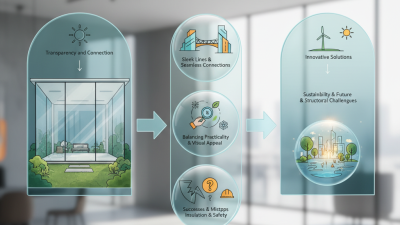
For global buyers, residential glass is more than a clear building material. It shapes daylight, privacy, comfort, and the visual character of a home. A well-selected window can brighten a narrow kitchen, frame a garden view, and reduce indoor heat near south-facing walls. These practical details often influence purchasing decisions more than attractive product images.
Professional buyers usually examine glass composition, coating performance, safety features, and installation compatibility. Double or triple glazing may improve thermal insulation, while laminated glass can help retain fragments after breakage. Low-emissivity coatings may reduce heat transfer, but their value depends on climate, window orientation, and frame quality. Product documentation matters. Reliable suppliers should provide test results, technical specifications, warranty terms, and installation guidance that local professionals can verify.
Regional building requirements also deserve careful attention. A product suitable for a cold European city may perform differently in a humid coastal region or a hot desert environment. This is where careful consultation becomes essential. No material is universally best. That assumption needs questioning. Budget, maintenance, ventilation, solar exposure, and local workmanship can change the final result. Buyers should compare certified performance with real project conditions, not rely on marketing language alone. When selected and installed responsibly, residential glass can support durable, comfortable homes while preserving design flexibility across international markets. Mistakes still happen. A beautiful specification can fail when measurements, drainage, or sealing are overlooked. Experienced suppliers recognize these risks and address them before production begins.
What Is Residential Glass? Types, Standards, and Global Applications
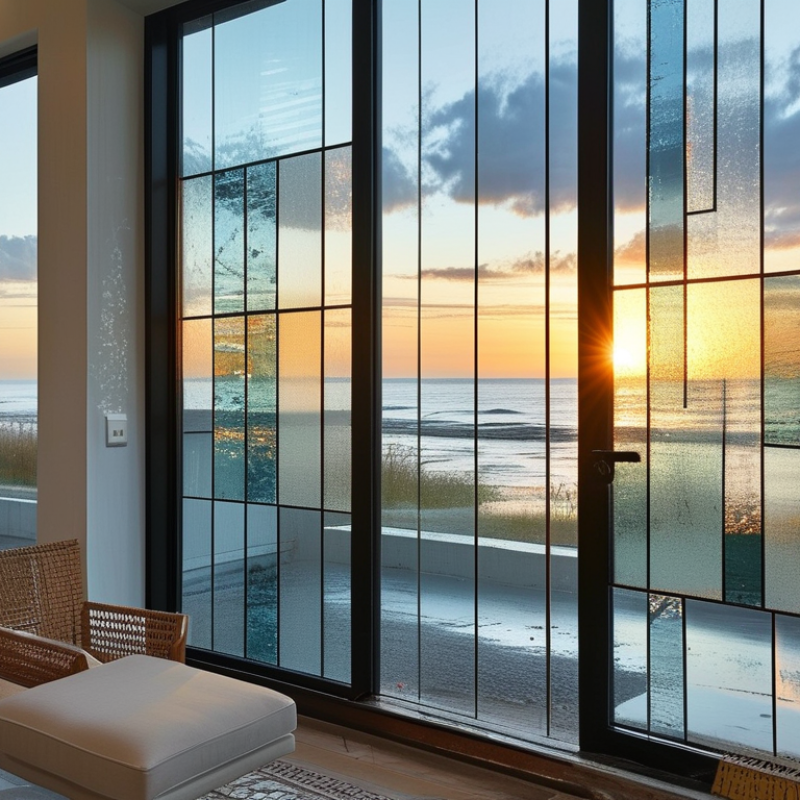
Residential glass is architectural glass selected for homes, apartments, and renovation projects. It includes windows, doors, shower enclosures, balustrades, skylights, and interior partitions. Unlike ordinary glass, residential products may be tempered, laminated, insulated, low-emissivity, or solar-control glass. Each type changes safety, heat flow, daylight, and privacy. A double-glazed unit, for example, can reduce indoor heat loss while keeping a pale winter room brighter.
Safety is non-negotiable. Tempered glass breaks into smaller fragments, while laminated glass holds together after impact. Insulating glass uses sealed spaces between panes, but failed seals can create fogging and energy loss. Buyers should request thickness, coating, edge, and spacer details. They should also verify test reports, factory quality controls, and installation instructions. Standards vary by destination, so documents may reference ISO, EN, ASTM, or national building requirements. A certificate alone is not enough. Site conditions still matter.
In hot coastal housing, solar-control glazing can soften afternoon glare and reduce cooling demand. In colder regions, low-emissivity units help retain room heat near large windows. Laminated acoustic glass may make a bedroom quieter beside a busy road. Shower areas and stair guards need carefully specified safety glazing, not just attractive clear panes. Global buyers should check climate, wind exposure, frame compatibility, maintenance access, and local approval rules. The choice is not always obvious. A darker coating may improve comfort but reduce daylight. Careful sampling and professional review prevent expensive surprises.
How Low-E Glazing Reduces Heat Transfer: DOE’s 25–30% Estimate
Why Is Residential Glass a Smart Choice for Global Buyers?
Low-E glazing controls heat transfer through a microscopically thin coating. It reflects long-wave infrared energy while allowing useful daylight indoors. In winter, less indoor heat escapes through the glass. In summer, less solar heat enters the room. The U.S. Department of Energy estimates that efficient window improvements can reduce household heating and cooling energy use by about 25–30%, depending on the existing window system and climate.
The estimate is not a promise. That caveat matters. Window orientation, frame quality, installation, shading, and local weather can change actual results. The International Energy Agency reports that buildings consume roughly 30% of global final energy, making envelope performance a practical efficiency concern. Research from Lawrence Berkeley National Laboratory also links low-emissivity glazing with improved interior comfort and reduced cooling demand in suitable conditions. A south-facing window in a hot region may need stronger solar control. A cold, windy home may benefit more from lower U-factor glass. Buyers should check certified U-factor and solar heat gain coefficient values, not rely on appearance alone. A clear pane can look simple, yet perform poorly. That is an easy detail to overlook.
Why Is Residential Glass a Smart Choice for Global Buyers?
How Low-E Glazing Reduces Heat Transfer
Low-E glazing uses a microscopically thin coating to reduce radiant heat transfer through residential glass. The U.S. Department of Energy estimates that low-E improvements can reduce heat loss by approximately 25–30% compared with conventional clear glazing, helping support year-round comfort and lower heating and cooling demand.
Source: U.S. Department of Energy. Values represent the published 25–30% estimated reduction range.
Why Insulating Glass Units Improve Efficiency and Indoor Comfort
For global residential buyers, insulating glass units offer a practical route to better efficiency and indoor comfort. An IGU usually combines two or more panes with a sealed cavity between them. That cavity slows heat transfer, while low-emissivity coatings reflect indoor heat back into the room. In winter, floors near the window may feel less cold. In summer, cooling demand can decrease when solar gain is controlled. Results depend on climate, window orientation, frame material, and installation quality.
Comfort is not only a temperature reading. A well-specified unit can reduce interior surface chill, drafts, and outside noise. It may also limit condensation on the room-facing glass when indoor humidity is properly managed. Gas filling and warm-edge spacers can improve thermal performance, but the seals must remain intact. Details matter. Buyers should request verified U-values, solar heat-gain data, air-leakage ratings, and clear warranty terms. Independent test reports provide stronger evidence than broad sales claims. Local building requirements still matter.
However, an IGU is not a magic barrier. Poorly aligned frames, unsealed gaps, or excessive shading can weaken expected results. A lower U-value may not suit every hot climate, where solar gain deserves equal attention. Experienced installers should assess the whole window, not the glass alone. Installation remains critical. No calculation captures every lived experience, such as glare on a dining table or a room that feels too sealed. A reliable choice balances energy use, daylight, ventilation, noise control, and daily comfort.
Why Is Residential Glass a Smart Choice for Global Buyers? - Why Insulating Glass Units Improve Efficiency and Indoor Comfort
Typical performance comparison of residential glazing configurations
| Performance Dimension |
Single Clear Glass |
Double IGU
Clear Glass + Air |
Double IGU
Low-E + Argon |
Triple IGU
Low-E + Argon |
| Typical center-of-glass U-value |
Approximately 5.7 W/m²·K |
Approximately 2.7–3.0 W/m²·K |
Approximately 1.1–1.4 W/m²·K |
Approximately 0.6–0.8 W/m²·K |
| Heat-loss reduction versus single glass |
Reference level |
About 45–55% lower |
About 75–80% lower |
About 85–90% lower |
| Winter indoor comfort |
Cold inner surface; greater downdraft potential |
Improved comfort compared with single glass |
Warm inner surface with significantly reduced radiant discomfort |
Highest thermal comfort in cold climates |
| Condensation resistance |
Low, especially in cold or humid conditions |
Moderate improvement |
High resistance when correctly installed and ventilated |
Very high resistance under comparable conditions |
| Solar heat control |
Limited; depends mainly on glass tint |
Moderate with solar-control coating |
Good with suitable low-E or solar-control coating |
Very good when coatings are selected for the climate |
| Typical visible light transmittance |
Approximately 80–90% |
Approximately 70–82% |
Approximately 55–75% |
Approximately 45–70% |
| Noise-control potential |
Basic; limited acoustic performance |
Better than single glass, depending on pane thickness and spacing |
Good potential with asymmetric panes or laminated glass |
Very good potential, but design details determine the final result |
| Energy-saving suitability |
Suitable mainly for mild climates or low-cost applications |
Practical upgrade for moderate climates |
Strong all-round option for most residential projects |
Best suited to cold climates and high-performance buildings |
| Main buyer benefit |
Lowest initial cost and maximum transparency |
Improved insulation at a moderate investment |
Balanced efficiency, daylight, comfort, and cost |
Maximum insulation and stable indoor temperatures |
Note: Values are typical center-of-glass ranges for residential glazing. Actual whole-window performance depends on frame material, spacer design, glass thickness, coating selection, window size, installation quality, climate, orientation, shading, and ventilation. U-values are lower when thermal insulation is better.
How Safety Glazing Meets EN 12600 and ANSI Z97.1 Requirements
For global residential buyers, safety glazing is more than a design upgrade. It is a practical response to accidental human impact near doors, stairs, bathrooms, and low-level windows. Tempered and laminated glass can reduce injury risks when correctly specified and installed.
EN 12600 evaluates glass behavior through a pendulum impact test. Its classification records impact performance, fracture behavior, and safety characteristics. ANSI Z97.1 also addresses glazing intended for human impact areas. It examines impact resistance and the way glass breaks after failure. These standards are not interchangeable. A buyer should request test reports that identify the exact glass construction, thickness, size, and classification.
Details matter greatly. A 10-millimeter panel is not automatically suitable for every opening. Frame support, edge quality, setting blocks, and installation tolerances can change performance. Site conditions matter too. Humid bathrooms, strong sunlight, and frequent door movement may expose weaknesses that product brochures overlook. A test report is not a magic shield. It proves tested performance under defined conditions, not every possible installation.
Reliable purchasing includes checking production traceability, inspection records, and clear marking on delivered panels. Ask whether the documentation matches the shipment. That small step is often missed. Local building requirements may add further conditions, especially for balconies, shower enclosures, and doors. Professional review remains worthwhile when dimensions, exposure, or occupant safety are uncertain.
Why Glass Supports Decarbonization: IEA’s 30% Building-Energy Share
Why Is Residential Glass a Smart Choice for Global Buyers?
The International Energy Agency reports that buildings consume roughly 30% of global final energy. This makes residential design central to decarbonization efforts. Glass can help reduce that demand when it is correctly specified.
A well-designed window brings daylight deep into a room, reducing electric lighting during working hours. It can also capture winter sunlight through carefully oriented openings.
Double or triple glazing, low-emissivity coatings, and insulated frames improve thermal performance.
On a practical project review, I would check the window’s U-value, solar heat gain, airtightness, and local climate together. One number never tells the whole story.
Small details matter.
Poorly shaded glass may cause overheating in summer. Large panes can also increase embodied carbon, especially when replacement becomes necessary. This is where the green argument becomes less comfortable. Glass is not automatically sustainable. Its value depends on orientation, shading, ventilation, frame materials, installation quality, and maintenance.
A south-facing window may support passive heating in one region, yet create cooling loads elsewhere. Buyers should request verified performance data and compare the full life cycle, not only the product label. Local building codes and energy models remain essential. The best result may involve less glass, but better glass, positioned with greater care.