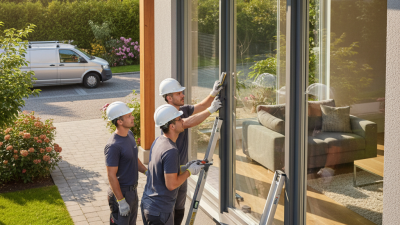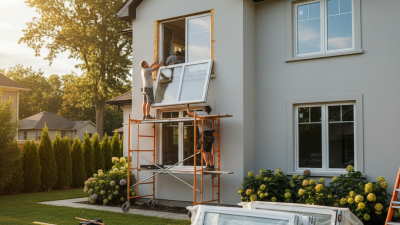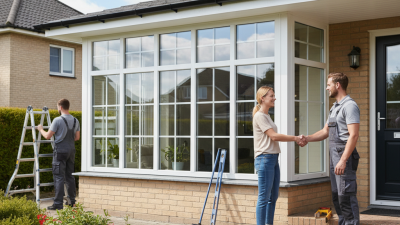
Choosing among the 2026 best window installers for global buyers requires more than comparing attractive product photos. A reliable installer should combine measured installation, verified materials, clear pricing, and responsive after-sales support. Climate matters greatly. A coastal home may need corrosion-resistant frames, while a cold mountain property may require low-emissivity glass and stronger thermal breaks.
This guide examines window installers through practical evidence rather than marketing language. It considers installer experience, manufacturer partnerships, project references, safety procedures, warranty terms, and communication across borders. Buyers should request itemized quotations, installation drawings, product certifications, and realistic delivery schedules. A professional team should explain U-values, solar heat gain, glazing options, drainage, and frame maintenance in understandable terms. It should also confirm who handles customs, site access, damage claims, and local compliance.
No ranking can fit every property. A premium installer may be unsuitable when replacement parts are difficult to obtain locally. A lower quotation may hide limited installation support or unclear warranty exclusions. That deserves careful attention. Even experienced buyers can overlook wall conditions, inaccurate measurements, or regional weather risks. Before signing, compare at least three proposals and inspect recent completed projects when possible. Ask former customers about leaks, adjustment visits, noise reduction, and response times after installation. Good windows matter, but careful fitting often determines whether their promised performance appears in daily life.
2026 Best Window Installers for Global Buyers?
What makes a window installer the best choice for global buyers in 2026? Reliable technical knowledge, clear communication, and proven installation experience matter more than polished advertising. A capable installer understands regional weather, building methods, ventilation needs, and local safety requirements. They should explain glass options, frame materials, drainage, insulation, and expected maintenance in plain language.
Ask for project photographs, measurable performance data, and references from similar climates. Independent test reports can support claims about thermal efficiency, sound control, air leakage, and water resistance. A detailed quotation should separate products, labor, shipping coordination, taxes, preparation work, and possible site adjustments. Details matter. The installer should also confirm who checks opening dimensions and who handles damage or delays during delivery.
Strong after-sales support is essential for buyers working across borders. Look for written warranty terms, response times, replacement procedures, and a reliable contact person. Digital measurements and video inspections can reduce mistakes, but they cannot replace an experienced site review. Not always. A remote decision may overlook uneven walls, hidden moisture, or local installation practices.
The best installer is not necessarily the cheapest. A low initial price can hide weak sealing, unclear exclusions, or expensive corrections. Buyers should compare technical evidence, communication quality, and accountability together. Even experienced teams can make mistakes, so honest installers explain risks instead of promising perfection. That openness builds trust before the first window reaches the site.
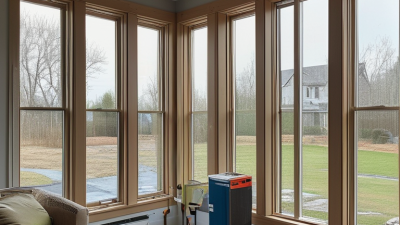
Comparing window installers across borders requires more than checking price and photographs. In practice, I examine the complete installation path: site measurement, product specification, weatherproofing, and after-sales support. A low quote can still be the wrong choice.
The U.S. Department of Energy reports that windows can account for roughly 25–30% of residential heating and cooling energy use. Therefore, compare tested performance, not sales language. Check U-value, solar heat gain coefficient, visible transmittance, and air leakage. European suppliers may use Uw values, while North American suppliers often present U-factor and SHGC. The numbers are related, but they are not interchangeable. Ask for the test standard.
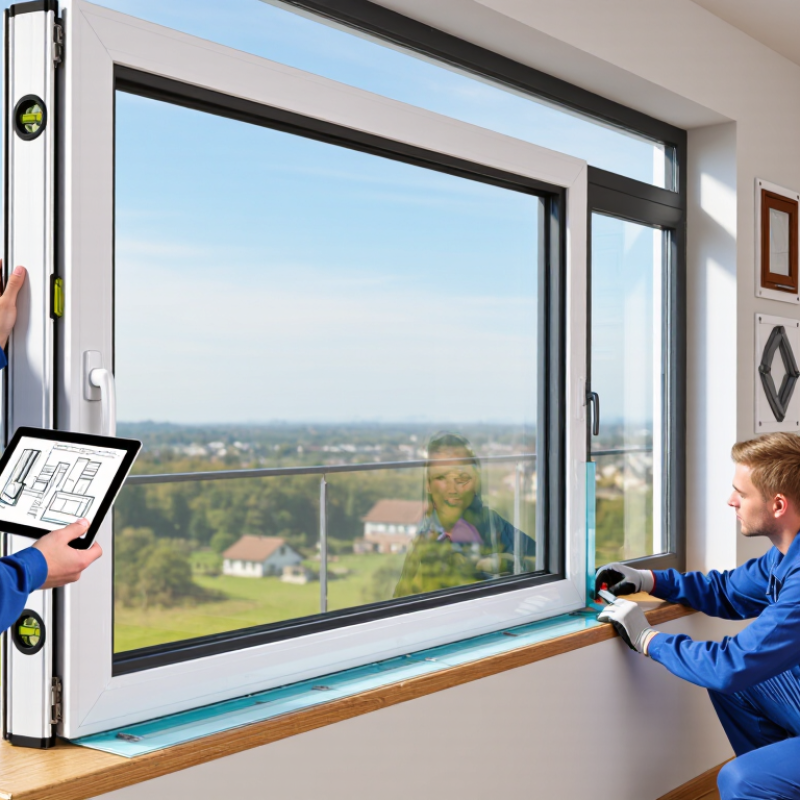
Installation quality matters equally. The European Commission’s building-performance guidance emphasizes airtightness, thermal bridging, and moisture control. Request photographs of sill flashing, perimeter sealing, and insulation around the frame. A reliable installer should explain how local rain, wind, humidity, and wall construction affect the method.
Verify licensing, insurance, training, warranty exclusions, and independently reviewed projects. Ask for two recent references in similar climates. I have seen comparison sheets overlook disposal costs, import duties, or replacement hardware. That mistake is expensive. Clarify who handles damage during transport and who performs future adjustments. Also check whether the warranty remains valid when installation occurs outside the supplier’s home market.
Choosing windows across borders requires more than comparing prices. In cold regions, fiberglass or insulated vinyl frames reduce heat transfer and resist seasonal movement. Triple glazing with low-emissivity coatings can improve comfort, especially beside a windy bedroom wall. However, heavier glass demands stronger hardware and careful installation.
Hot, sunny climates need different priorities. Thermally broken aluminum offers slim frames and useful durability, while solar-control glass limits glare and indoor heat. Casement or awning designs usually seal more tightly than basic sliding windows. In humid coastal areas, corrosion-resistant hardware and tested drainage paths matter. Wood can feel warm and attractive, but it needs disciplined sealing and maintenance.
Storm-prone locations require impact-rated assemblies, reinforced frames, and verified water-pressure testing. In tropical regions, outward-opening windows can support ventilation, although driving rain may make that choice unsuitable. Smart sensors are helpful for alerts, but they cannot correct poor sealing or careless fitting. Ask installers for U-factor, solar heat gain, air-leakage, and water-penetration data. Local climate records should guide those numbers.
A site survey remains essential. Wall exposure, shading, sill height, and indoor humidity can change the recommendation. I have seen triple glazing specified where a well-shaded double-glazed unit would perform adequately. More technology is not always better. The difficult part is matching tested performance with installers who understand local construction methods and provide clear, traceable warranties.
2026 Best Window Installers for Global Buyers?
Choosing a window installer in 2026 requires more than comparing online prices. Ask for project photos, installer training records, and recent customer references. A reliable team should explain frame materials, glass ratings, drainage methods, and local installation requirements in clear language. Test their knowledge with practical questions. Watch how they respond.
Verify every certification through the issuing organization, not only through a website image. Check whether the certificate covers manufacturing, installation, or both. Requirements differ between countries. Do not assume one approval works everywhere. Review the warranty line by line, including seal failure, hardware damage, labor coverage, and transfer conditions. Some warranties look generous but exclude coastal weather, poor maintenance, or incorrect measurements.
Tips: Request a written installation plan, delivery schedule, inspection process, and support contact. Call the support number before signing. A slow reply now may become a serious problem later. Ask how they handle cracked glass, water leaks, and delayed replacement parts. Keep copies of certificates, invoices, measurements, and site photographs.
A polished showroom can mislead me. On-site details matter more. Check whether workers protect floors, seal corners evenly, and clean drainage paths. I would also speak with a previous client after installation, not just during a sales visit. Even careful verification has limits. Weather, shipping, and communication can still create surprises. That is why clear records and realistic promises matter.
For global buyers, the best window installer is not always the cheapest quote. Material cost, glazing type, labor, and local installation conditions can change the final price sharply. UNEP’s 2024 Global Status Report states that buildings consumed 32% of global energy and produced 34% of energy-related emissions in 2022. Better insulation matters, but only when installation is airtight and correctly sealed.
Shipping needs closer examination. UNCTAD’s Review of Maritime Transport 2024 reports that ships carry over 80% of global merchandise trade by volume. Windows are difficult cargo because glass, frames, and oversized crates require careful handling. Ask for packaging dimensions, insurance terms, port charges, customs fees, and inland delivery costs. A low factory price may hide expensive unloading or replacement risks. My first estimate is often wrong.
Regulations can also delay a project. Buyers should check local rules for U-values, wind resistance, water penetration, fire safety, emergency exits, and safety glazing. In the European Union, construction products may require conformity documentation under applicable harmonized standards. Other markets may require separate testing or energy labels. Request test reports, installation manuals, product origin records, and warranty limits before payment. Verify whether the installer is qualified to work with the local building code. Small details matter. A beautiful frame is useless if it fails inspection, fits poorly, or cannot be serviced locally.