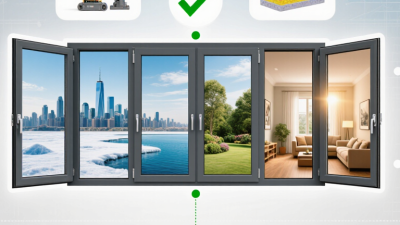
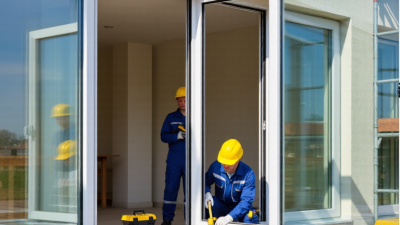
Choosing reliable window fixing suppliers is essential for safe, durable, and efficient building projects. Global buyers often compare product quality, manufacturing capacity, certifications, delivery performance, and after-sales support. A supplier may offer attractive prices, yet weak technical service can create costly installation problems later.
This guide introduces leading China-based suppliers for international buyers seeking dependable window fixing solutions. It considers practical details, including stainless steel grades, screw compatibility, corrosion resistance, load performance, and packaging quality. Real sourcing experience shows that small details matter. A poorly labeled carton can delay installation. Inconsistent dimensions can also increase labor costs. Buyers should request samples, factory evidence, test reports, and clear drawings before placing large orders.
Trust must be earned. Reliable manufacturers explain material choices, tolerances, production controls, and inspection procedures without hiding limitations. They should communicate clearly about lead times, minimum order quantities, replacement policies, and export documentation. However, no supplier ranking is perfect. Product performance may change between batches, and online information can become outdated. Independent verification remains necessary.
This overview is designed to support careful supplier evaluation, not rushed purchasing decisions. It highlights companies that appear suitable for different project needs, from standard residential fittings to demanding commercial applications. Buyers should still confirm local building requirements and installation conditions with qualified professionals. The best partnership combines competitive pricing, consistent quality, responsive communication, and practical accountability. That balance often matters more than a low quotation.
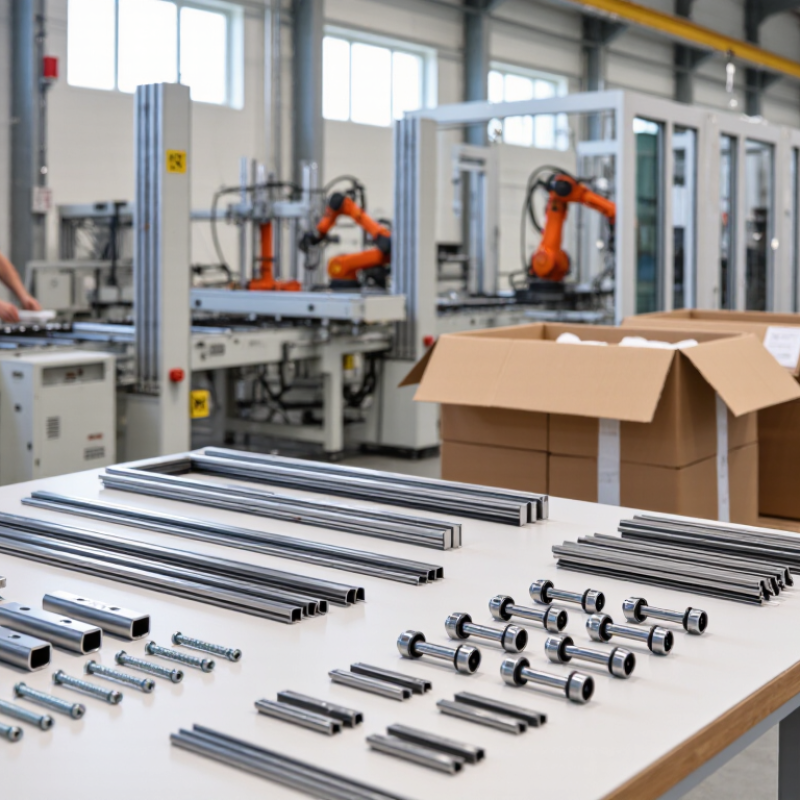
Window fixing suppliers do more than ship screws, brackets, and anchors. They help buyers match each fixing to the frame material, wall type, load, and exposure conditions. A stainless-steel anchor near a coastal site, for example, may resist corrosion better than an unsuitable plated fastener. But material alone is not enough. Buyers should ask for technical drawings, load-test results, material grades, and clear installation guidance. Small details matter. A hole drilled slightly off position can affect alignment and sealing.
The International Energy Agency reports that buildings account for about 30% of global final energy consumption. This makes reliable window installation relevant to comfort and energy performance, not just procurement. Suppliers should explain how fixing systems support the specified frame and installation method, while avoiding unsupported claims about whole-building savings. For global buyers sourcing from China, check production consistency, sample dimensions, packaging protection, and communication about tolerances. A neat sample is reassuring, but it does not prove every batch is identical. Request batch records where practical, and clarify who handles technical questions after shipment. That part is often overlooked. It should not be. Buyers also need to confirm that product documentation fits the requirements of the destination project, since one supplier’s standard paperwork may not answer every local specification.
| Supplier Category | Typical Products | Role in Window Production | Key Buyer Checks | Relevant Standards or References |
|---|---|---|---|---|
| Window hardware manufacturers | Hinges, handles, stays, locking points, and friction stays | Provide operating and locking components matched to the window system and opening style. | Confirm material and finish, compatible profile dimensions, operating loads, corrosion protection, and test documentation. | EN 13126 covers building hardware for windows and window-height doors, including requirements and test methods for applicable hardware types. |
| Fastener manufacturers | Screws, bolts, anchors, and other mechanical fasteners | Supply parts used to attach frames, hardware, or accessories to specified substrates. | Check dimensions, thread type, base material, coating, load data, and suitability for the intended substrate and environment. | Specifications should identify applicable fastener standards and test methods for the product and intended use. |
| Frame anchoring suppliers | Frame anchors, fixing brackets, and installation plates | Support the connection of window frames to the surrounding building structure. | Verify substrate compatibility, fixing positions, corrosion resistance, installation instructions, and project-specific design requirements. | Anchor selection and installation should follow the relevant building regulations and engineering requirements for the project location. |
| Sealing and glazing accessory suppliers | Glazing beads, gaskets, setting blocks, and weather seals | Help retain glazing and support weather, air, and water sealing within the window assembly. | Check profile compatibility, material specification, dimensions, environmental suitability, and documented performance where required. | Performance requirements depend on the complete window system and the applicable project or regional standards. |
| Custom component suppliers | Made-to-drawing brackets, plates, and hardware components | Produce components tailored to a buyer's drawings, samples, or system requirements. | Agree on drawing revision control, tolerances, material certificates, sample approval, inspection criteria, and change management. | ISO 9001 is a quality management system standard; certification does not by itself certify a product's performance. |
| Export-oriented suppliers | Standard or customized window fixing products prepared for international orders | Coordinate export documentation, packaging, order communication, and delivery arrangements. | Confirm product specifications, packaging protection, labeling, inspection records, lead-time terms, and destination-market compliance needs. | Import requirements and product conformity obligations vary by destination and product type. |
| Buyer note: Supplier categories describe common roles, not individual company capabilities. Request current technical data, samples, test reports, and project-specific compliance documents before placing an order. | ||||