What Is City Glass and Why Do Buyers Choose It?
In modern cities, glass is more than a transparent building material. City glass can describe glass used in façades, windows, storefronts, partitions, and public interiors. It helps shape how people experience busy streets, bright offices, and compact homes. Light enters. Space feels larger.
Buyers often choose city glass for its clean appearance and practical performance. Clear panels can connect interiors with outdoor views. Tinted or coated glass may reduce glare and solar heat. Laminated and tempered options can improve safety when specified correctly. Energy performance still depends on framing, installation, shading, and climate. Glass alone is not a complete solution.
Experienced architects, fabricators, and installers usually review thickness, edge quality, coatings, hardware, and maintenance needs before approval. They also check testing data and applicable building requirements. Product claims should come from traceable technical documents, not attractive showroom language. A reflective surface may look impressive, yet it may not deliver strong insulation. That distinction matters.
The best choice depends on the building’s purpose, exposure, budget, and daily use. A retail entrance needs different glass from a high-rise office or a quiet apartment. Buyers should compare visible light, heat control, privacy, durability, and replacement costs. Small details matter. Even experienced teams sometimes overlook cleaning access or future repairs. This article examines why city glass remains popular, where it performs well, and what buyers should question before making a confident decision.
What Is City Glass?
What Is City Glass?
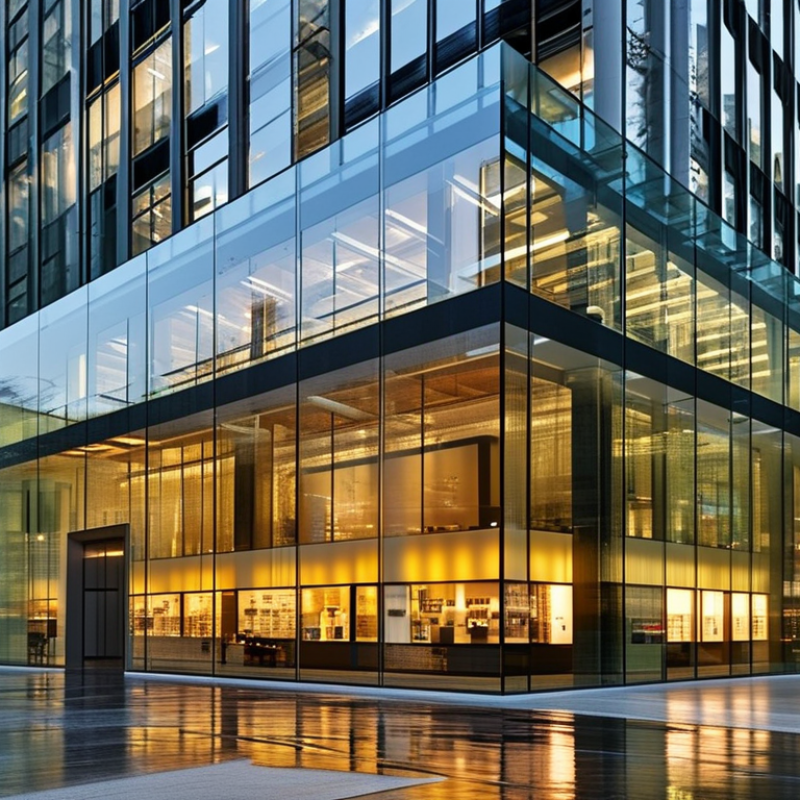
“City glass” is not a formal material standard. It is a practical term for architectural glass used in dense urban buildings, including windows, curtain walls, shopfronts, and interior partitions. The glass may be clear, tinted, laminated, insulated, low-emissivity, or solar-control glass. Its purpose is broader than appearance. It must manage daylight, heat, noise, safety, and privacy beside busy streets.
The U.S. Department of Energy reports that windows can cause 25–30% of residential heating and cooling energy use. That figure explains why city glass is carefully selected. A low-emissivity coating can reduce unwanted heat transfer, while solar-control glass limits strong afternoon sunlight. Insulating glass units add another barrier. Still, glass alone cannot solve every problem. Frames, seals, shading, and installation quality matter just as much.
Urban conditions make the choice more demanding. Traffic noise, reflected sunlight, wind pressure, and nearby buildings all affect performance. The UNEP Global Status Report for Buildings and Construction 2023 states that buildings consumed about 30% of global energy and produced roughly 26% of energy-related emissions. Better glazing can support efficiency, but results vary by climate and building orientation. A south-facing façade may need external shading, not darker glass. A highly reflective surface may look impressive, yet create glare for pedestrians. The term sounds simple. The decision is not.
Key Features and Common Applications of City Glass
City glass usually describes architectural glazing selected for dense urban buildings. It is not a universal technical category. In practice, buyers often mean glass with low-emissivity coatings, solar control, laminated safety layers, or acoustic performance. These features help façades manage heat, glare, noise, and weather exposure.
Performance varies. The International Energy Agency reports that buildings consume about 30% of global final energy. Its Buildings 2023 analysis also links building operations to roughly 26% of energy-related emissions. This explains the demand for high-performance glazing in offices and apartments.
Low-e glass can reduce unwanted heat transfer, while solar-control glass limits intense afternoon sunlight. However, coatings cannot replace proper shading, ventilation, or installation quality.
Common applications include curtain walls, storefronts, skylights, entrance doors, interior partitions, and balcony screens. In a busy street, laminated acoustic glass can soften traffic noise and improve occupant comfort. In a west-facing office, spectrally selective glazing may reduce cooling loads and glare.
The 2023 Global Status Report for Buildings and Construction, published by UNEP, emphasizes the sector’s continuing pressure to improve energy efficiency. Yet product selection remains project-specific. A visually clear façade may still create overheating, reflections, or difficult maintenance. Buyers should examine tested U-values, solar heat gain coefficients, visible transmittance, acoustic ratings, and local installation conditions. Marketing language alone is not enough.
Why Buyers Choose City Glass
City glass usually refers to architectural glazing used in façades, storefronts, offices, and urban apartments. Buyers choose it because it combines daylight, visibility, and a clean city-facing appearance. More importantly, they want measurable performance rather than attractive reflections alone.
The U.S. Department of Energy reports that windows can account for 25–30% of residential heating and cooling energy use. This makes glass selection a practical budget decision. Buyers often compare U-values, solar heat gain coefficients, acoustic ratings, and safety classifications. In dense streets, low-emissivity coatings can reduce unwanted heat, while laminated glass may soften traffic noise and improve impact resistance. The International Energy Agency also reports that buildings consume about 30% of global final energy. Better glazing supports wider efficiency goals, although it cannot repair poor insulation or careless installation.
Tips: Ask for tested performance data, not vague claims. Check orientation, frame quality, shading, and local climate together. A south-facing panel may need stronger solar control than a shaded north-facing window. The choice is not perfect. Highly reflective glass can create glare, maintenance issues, or visual discomfort. Buyers should request samples beside interior finishes and inspect them under daylight. Reliable installers should explain limitations clearly and provide documentation from recognized testing standards.
Factors to Consider Before Buying City Glass
What Is City Glass and Why Do Buyers Choose It?
City glass usually refers to architectural glass selected for urban homes, offices, shops, and public buildings. Buyers choose it for daylight, clean lines, privacy, and street-facing views. However, appearance should not control the decision.
Before buying, identify the glass type and its intended location. Tempered glass offers stronger impact resistance, while laminated glass can hold together after breakage. Low-emissivity coatings may improve indoor comfort and reduce heat transfer. Ask for documented performance data, not only attractive samples. Samples can mislead.
Measure the opening carefully, including frame depth and drainage space. Poor measurements can cause delays, leaks, or expensive adjustments. Consider local building requirements, wind exposure, energy performance, and sound levels from nearby traffic. A thicker pane is not automatically better. The complete glazing system matters, including seals, frames, and installation quality.
Request a clear quotation covering delivery, fitting, maintenance, and warranty terms. Check whether the installer explains cleaning methods and replacement procedures. In practice, buyers sometimes focus too heavily on the lowest price. That choice may overlook heat gain or street noise. I would compare at least three technical proposals and inspect a full-size installation when possible. Even then, expectations need checking. Glass can improve a room, but it cannot solve every design problem.