How to Choose the Best Window Specialist?
Choosing a window specialist is more than comparing quotes. A poorly fitted frame can invite drafts, condensation, and costly callbacks. The U.S. Department of Energy estimates that heat gain and loss through windows account for about 25%–30% of residential heating and cooling energy use. That makes product choice and installation quality practical concerns, not just design preferences. Details matter.
ENERGY STAR reports that replacing single-pane windows with certified models can save homeowners an average of 12% on energy bills, though results vary by climate, home, and product. Those figures do not promise the same savings for every property. A reliable window specialist should explain what applies to your home, rather than guarantee a dramatic reduction. Ask for proof.
Look for relevant installation experience, clear written estimates, and references for similar projects. Ask who will perform the work, how the crew protects floors and furnishings, and what happens if a frame is damaged or a seal fails. Request product specifications, warranty terms, and an itemized scope covering removal, disposal, flashing, insulation, and cleanup. A neat sample display is not enough; the details around your own window opening matter. Compare answers, not just prices.
Credentials and customer reviews can help, but neither is a substitute for careful questions. No checklist is perfect. Even experienced homeowners may overlook one detail, such as how the new unit fits an older, out-of-square opening. Use this guide to assess a specialist’s advice, verify claims, and choose someone who can explain the work in plain language.
Identify the Scope and Requirements of Your Window Project
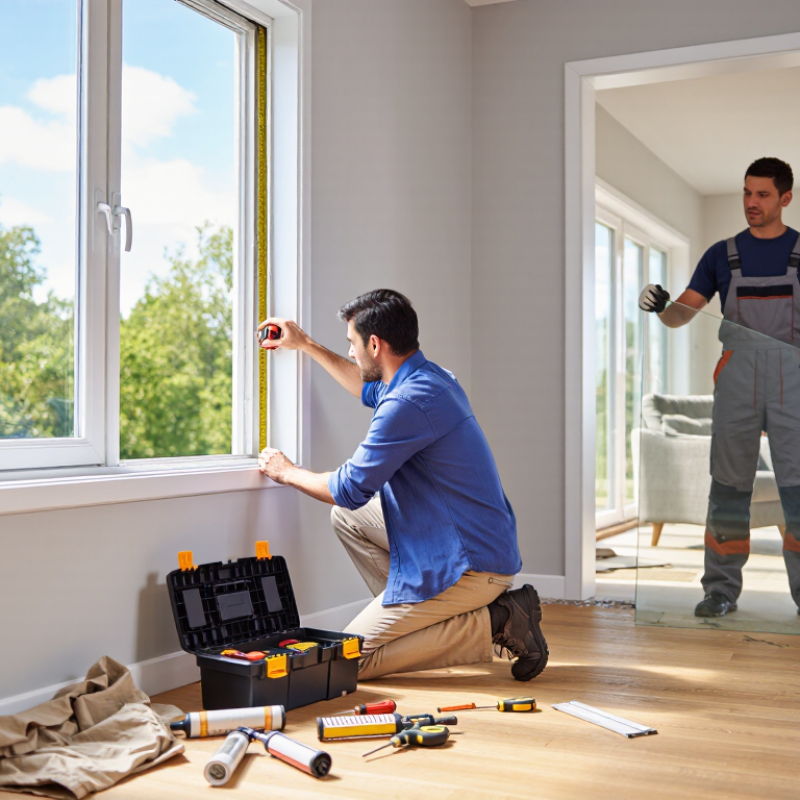
Before contacting a window specialist, define what the project actually includes. Count the affected windows and note their rooms, approximate sizes, and frame materials. Start with a list. Photograph each opening, including close-ups of peeling paint, damaged seals, or water staining. Record when drafts, sticking sashes, or condensation occur. A fogged space between glass panes may indicate a failed seal, while indoor condensation can have other causes. The distinction matters; replacing a window may not solve the underlying problem.
Decide whether you need a repair, a full replacement, or an assessment before choosing. Write down your priorities, such as quieter bedrooms, easier operation, reduced drafts, or preserving original trim. Be specific: “less street noise in the front room” is more useful than “better windows.” Note practical constraints too, including furniture near openings, access to upper floors, and preferred work dates. Not every detail will be clear yet. That is normal.
Ask the specialist to inspect the site and explain what measurements, materials, and installation steps the scope requires. Request a written description that identifies which windows are included, what happens to interior trim, and whether cleanup and disposal are covered. Compare proposals against your list, not just their totals. If an explanation feels vague, ask for the missing detail before agreeing.
Verify Licensing, Insurance, References, and Past Work
A window specialist should be able to explain their qualifications clearly, without rushing you toward a deposit. Ask for their license number and check it with the relevant local authority. Requirements vary by location, so confirm what applies where you live. A polished truck is not proof. Not even close.
Request proof of liability insurance and, where applicable, workers’ compensation coverage. Contact the insurer to confirm the policy is current and covers the work being discussed. This small check can prevent a difficult dispute if a worker is injured or a room is damaged. Read the estimate beside the coverage details; the names and scope should make sense. If something feels unclear, ask again.
References matter most when you ask specific questions. Did the crew arrive when promised? Were the old frames removed carefully, and did the windows open smoothly afterward? Ask to see recent projects similar to yours, then look closely at trim, caulking, and cleanup. Photos help, but they can flatter a rushed job. An in-person visit is better, if available. I would also ask what went wrong on a past project and how the specialist handled it. A vague answer is not proof of poor work, but it deserves a follow-up. Take notes. Compare answers, not just prices.
Evaluate Estimates, Materials, Warranties, and Installation Plans
A useful estimate explains more than the price. It should list window sizes, quantities, removal, disposal, interior trim, and any repair work. Ask whether measurements were taken at the site, and request a written explanation for allowances or possible extra costs. Compare estimates with the same scope; a lower total may leave out important work. That difference matters.
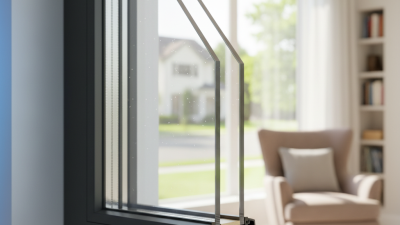
Materials should suit your climate, home, and upkeep preferences. Vinyl, wood, and fiberglass each have trade-offs in cost, appearance, insulation, and maintenance. Ask what glass package is included, such as double glazing or low-emissivity glass, and whether it suits your local conditions. A sample corner or frame section can reveal details that brochures miss. I find this easy to overlook.
Read warranty terms closely. Check what is covered for the frame, glass, hardware, labor, and installation, and note exclusions and claim steps. A long coverage period may be less useful if labor is excluded. The installation plan deserves equal attention: who protects floors, seals the opening, handles flashing, and checks operation? Ask how the crew will manage weather delays and leave the room clean. A careful installer should explain the sequence in plain language and welcome specific questions. If answers stay vague, pause before signing.
How to Choose a Window Specialist
How to use this chart: Compare each specialist’s written proposal against these checklist items. The bars count the items listed for each category; they are not market statistics or ratings of any company. Confirm that costs and scope are itemized, product specifications are clear, warranty terms and exclusions are written down, and installation details are documented.
Select the Specialist Who Best Meets Your Project Criteria
A window specialist should fit the project, not just offer a polished sales pitch. Begin with the actual problem: drafts around one frame, a cracked pane, or several aging windows. Ask how they will inspect the opening and identify hidden damage. Details matter. A careful specialist explains measurements, ventilation, and how installation may affect trim or surrounding walls. Ask who will do the work and what relevant training or experience they have.
Compare written estimates that describe materials, labor, cleanup, and possible extra costs. The cheapest quote is not automatically a poor choice, but unexplained gaps deserve questions. I still find estimates oddly difficult to compare when one includes disposal and another does not. Ask for recent references, then listen for specific examples of similar projects. Listen closely. A dependable professional should describe the expected schedule, protect floors and furnishings, and explain what happens if the opening contains rot. Check the workmanship warranty and the product coverage separately. Clear answers make it easier to choose someone whose plan, communication, and skills match your priorities.