Blog

China Top Window Specialist for Global Buyers?

Can China be the top window specialist for global buyers? The answer depends on evidence, not factory photographs. China has a deep manufacturing base, extensive glass supply chains, and strong export experience. However, low pricing alone cannot prove reliable performance.

The International Energy Agency reports that buildings consume about 30% of global final energy. They also create roughly 26% of energy-related emissions. This makes window design more than an appearance choice. Thermal insulation, airtightness, solar control, and installation quality directly affect building performance. The IEA’s Buildings 2023 analysis also highlights efficiency improvements as essential for reducing energy demand. A qualified window specialist should understand these targets before recommending a profile or glass package.

Global buyers should examine measurable details. Ask for U-value calculations, air-permeability results, water-tightness testing, and wind-load verification. Request test dates, laboratory names, and matching product references. Standards such as EN 14351-1, ISO 10077-1, and relevant ASTM methods can support clearer comparisons. Yet certificates can become confusing when product configurations change. A tested sample may not represent the final order.

Experience matters at the loading dock, too. Check corner protection, crate design, labeling, replacement procedures, and communication during installation. China’s strengths are real, but no supplier fits every project. That is the uncomfortable part. A polished brochure is not evidence. Careful buyers should compare technical documents, factory controls, and after-sales records before choosing a long-term partner.

China Top Window Specialist for Global Buyers?

China’s Window Manufacturing Industry and Global Market Role

China Top Window Specialist for Global Buyers?

China’s window manufacturing industry has become a major part of the global building supply chain. China Customs reported goods exports worth RMB 23.77 trillion in 2023. That scale supports mature aluminium, glass, hardware, and insulation networks. Buyers can often source standard and customized systems from one manufacturing region. The advantage is practical.

Domestic demand is changing. The National Bureau of Statistics recorded 998.31 million square meters of completed real-estate floor space in 2023, down 16.4% year on year. This pressure has encouraged manufacturers to seek overseas projects and improve export services. However, production scale does not automatically prove quality. A factory still needs traceable materials, documented testing, stable tolerances, and experienced installation support.

Energy performance is becoming central.

The International Energy Agency states that buildings represent about 30% of global final energy consumption. Window selection therefore affects comfort, cooling loads, and long-term operating costs. Professional buyers should examine U-values, solar heat-gain coefficients, air leakage, water resistance, and acoustic results. Standards differ between markets. Small gaps can become expensive problems.

A factory visit can reveal more than a brochure.

Look at corner joints, gasket storage, coating records, and finished-unit protection. Ask for recent test reports, not only sample certificates. China offers strong manufacturing depth, but supplier evaluation remains uneven. I would not treat the lowest quotation as the best decision. It may exclude packaging, local compliance, or site adjustment. The real opportunity lies in combining China’s production capacity with disciplined technical verification.

Key Types of Windows Supplied by Chinese Specialists

Chinese window specialists supply more than standard glass units. Their product range often includes casement, sliding, tilt-and-turn, folding, and fixed windows. Each type serves a different building need.

Casement windows open outward with strong ventilation and tight compression seals. Sliding windows save interior space, making them practical for apartments and narrow balconies. Tilt-and-turn systems offer controlled airflow and easier cleaning from inside. Folding windows create wider openings for villas, restaurants, and garden rooms. Fixed windows suit large views, stairwells, and curtain wall sections.

Materials also change performance. uPVC frames provide insulation and require limited maintenance. Aluminum frames offer slimmer profiles and strong structural support. Thermal-break aluminum improves insulation by separating indoor and outdoor metal sections. Double glazing is common, while triple glazing can support colder climates and quieter rooms.

Experienced suppliers should confirm wind pressure, drainage, hardware cycles, glass thickness, and installation conditions before production. Factory checks may include corner strength, water resistance, air leakage, and sample assembly. Details matter.

A common mistake is selecting windows from appearance alone. A beautiful sliding panel may feel heavy or perform poorly when drainage is ignored. I have seen project schedules suffer because opening sizes changed after drawings were approved. That part is not perfect.

Reliable Chinese specialists usually provide shop drawings, material records, test information, and packing photos. Buyers should still request a physical sample and review local building requirements. The cheapest option may not remain economical after shipping, installation, and adjustment costs.

China Top Window Specialist for Global Buyers? – Key Types of Windows Supplied by Chinese Specialists

The chart compares representative center-point U-values for common window glazing configurations supplied for international projects. A lower U-value indicates better thermal insulation. Actual performance varies with frame material, glass specification, spacer, size, and installation quality.

How Chinese Window Manufacturers Serve International Buyers

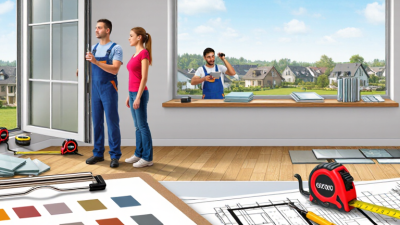
Chinese window manufacturers serve international buyers through detailed customization, production control, and export experience. A serious supplier begins with drawings, opening sizes, glass specifications, hardware requirements, and local building standards. Small errors matter. A few millimeters can affect installation.

During production, experienced teams inspect frame welding, surface coating, glass sealing, and drainage paths. They may provide sample corners, test reports, and photos before mass production. International buyers also need clear packaging plans. Each window should have protective film, corner guards, labels, and a packing list that matches the container load.

Communication is equally important. Buyers often request changes after reviewing samples. Reliable manufacturers record revisions instead of relying on informal messages. They should explain lead times, material differences, replacement procedures, and inspection limits in plain English. This reduces surprises.

No factory gets every detail right. Color differences can appear between batches, and shipping conditions may damage poorly protected parts. I have found that honest suppliers discuss these risks early. They also welcome third-party inspections when project requirements demand them. Factory audits, production samples, and documented quality checks provide stronger evidence than polished sales claims. The best cooperation develops through repeated verification, not promises alone.

Quality Standards, Materials, and Customization Options

Choosing a top window specialist in China requires more than comparing prices. Quality begins with documented production controls, accurate drawings, and repeatable inspection procedures. Experienced suppliers should explain air tightness, water resistance, wind-load performance, and thermal insulation clearly. Ask for test reports that match the actual window system, not a similar model.

Material selection affects performance and maintenance. Aluminum frames offer strength and slim profiles, while thermal breaks reduce heat transfer. uPVC can provide strong insulation and practical costs. Glass options may include double glazing, laminated glass, low-emissivity coatings, or tempered panels. Hardware should operate smoothly and resist corrosion, especially in coastal environments. Small details matter.

Customization should be practical, not decorative only. Suppliers can adjust frame colors, opening styles, glass thickness, screen systems, dimensions, and installation accessories. A careful factory checks tolerances before mass production. I have found that a physical sample often reveals problems hidden in drawings, such as stiff handles or drainage paths that collect water. No supplier is perfect. Some specifications also need revision after site measurements. That is normal, but ignoring the issue is not. Clear communication, traceable material records, and independent inspections make the purchasing process more dependable for global buyers.

Choosing a Reliable Chinese Window Specialist for Global Projects

Choosing a Reliable Chinese Window Specialist for Global Projects

A reliable Chinese window specialist should offer more than attractive prices. They need proven experience with projects similar to yours, including climate, building type, and installation conditions. Ask for project photos, technical drawings, test reports, and client references. Real evidence matters.

Check how the supplier manages quality. A professional team should explain glass options, frame materials, drainage design, hardware, and thermal performance clearly. They should also confirm testing standards for your destination market. Request a production sample before approving mass manufacturing. Inspect welding, corner joints, coating, seals, and protective packaging. Small defects can create expensive site problems. Communication deserves equal attention. Your supplier should answer technical questions directly and record every agreed detail. Some factories are strong in production but weak in documentation. That gap can delay a global project.

Tips: Compare at least three suppliers. Use a detailed specification sheet. Confirm lead times in writing. Ask who handles after-sales issues. Do not rely on factory photos alone. A video inspection or independent quality check may reveal practical details. No supplier is flawless. Even experienced specialists can misunderstand drawings or overlook local installation habits. Leave room for review, testing, and correction. That is not wasted time. It protects the project.