Choosing a reliable window glazier is more than comparing prices. It affects comfort, energy use, security, and long-term maintenance.
The U.S. Department of Energy reports that windows can cause 25–30% of residential heating and cooling energy use. Poor installation may increase drafts, condensation, and indoor temperature swings. A qualified window glazier should therefore understand glass performance, frame materials, drainage, sealing, and local building requirements. They should also explain technical details without hiding behind complicated language.
Look for evidence, not confident promises.
The National Fenestration Rating Council (NFRC) explains that product ratings measure factors such as U-factor, solar heat gain coefficient, visible transmittance, and air leakage. These figures help homeowners compare products more fairly. However, ratings alone cannot confirm excellent workmanship. Installation quality still matters. The best-rated window can perform poorly when the opening is measured incorrectly or the flashing is incomplete.
This guide presents seven practical checks for selecting a dependable professional. It considers insurance, relevant experience, written quotations, product certification, references, installation methods, and after-sales support. Ask to see recent work. Notice whether the frames sit squarely and whether sealant lines look even.
A polished website proves little.
Some recommendations may appear obvious, yet they are easy to skip when a project feels urgent. I have also found that the lowest quotation can be tempting, but it may exclude disposal, finishing, or future adjustments. A careful decision requires questions, documentation, and a willingness to pause before signing. Reliable service is not merely about fitting glass; it is about delivering measurable performance and standing behind the result.
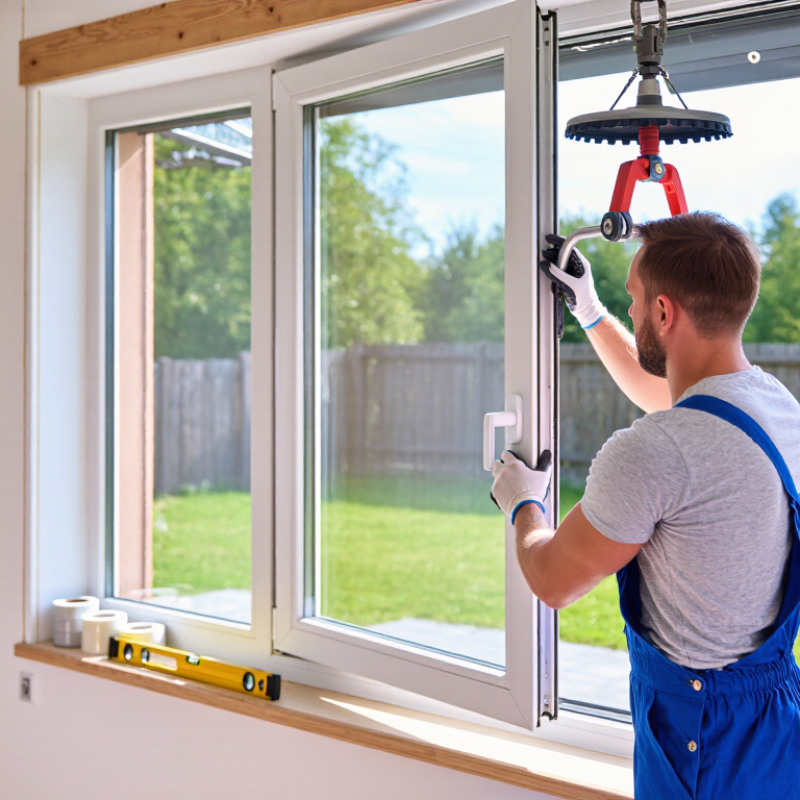
A reliable window glazier does more than replace cracked glass. The role begins with inspecting the window, frame, seals, and surrounding wall. A skilled glazier measures the opening carefully before recommending any solution. They should explain whether the problem involves glass, hardware, moisture, or poor installation. Clear explanations build trust.
The scope may include removing old panes, preparing frames, installing new glass, and sealing joints against wind and water. It can also involve repairing hinges, locks, beads, and drainage paths. Good workmanship leaves no sharp edges, gaps, cloudy seals, or rattling panes. Ask how the glazier protects floors and furniture during the work. Small details matter.
Experience is visible in practical answers. Ask about similar window types, measuring methods, glass performance, safety procedures, and written estimates. Check training, insurance, references, and the promised completion time. A dependable professional will discuss limitations instead of promising perfect results. I once accepted a quick estimate without asking about the frame condition, and the final repair cost more than expected. That mistake still influences my questions. Reliability is not only speed. It is careful inspection, honest communication, and work that remains sound after the first heavy rain.
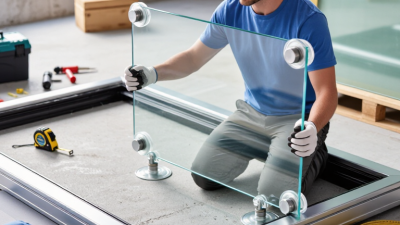
Tip 1: Verify licensing and insurance before discussing price. Licensing rules differ by location, so check the contractor’s number with the relevant local authority. Request current general liability and workers’ compensation certificates. Confirm them directly with the insurer. A photocopied certificate can be outdated. The U.S. Bureau of Labor Statistics reports that installation work involves regular exposure to cuts, falls, and lifting hazards. Proper coverage protects both sides when glass breaks or someone gets hurt.
Tip 2: Look for relevant certifications, not decorative claims. Ask whether the glazier understands insulated glass, safety glazing, seal failure, and local energy requirements. The U.S. Department of Energy estimates that windows may cause 25–30% of residential heating and cooling energy use. Poor installation can waste that investment. Certifications from recognized fenestration standards bodies can show tested knowledge, but they do not replace careful workmanship. I would still ask for written installation details.
Tip 3: Test local experience with specific questions. Can the glazier show recent projects in similar buildings? How were wind exposure, condensation, and difficult access handled? Call two references, and inspect the finished edges, sealant lines, and opening operation if possible. Local experience matters because weather patterns and building practices vary sharply. One weakness is easy to miss: a neat showroom sample cannot prove reliable field work. Obtain a detailed quote covering glass type, frame preparation, removal, disposal, warranties, and estimated completion dates.
Choosing a reliable window glazier requires more than comparing quotes. Check seven details: material grade, energy ratings, frame compatibility, installation method, drainage, workmanship evidence, and warranty terms. For materials, ask whether the glass has low-emissivity coating, sealed insulating units, and suitable spacer systems. The U.S. Department of Energy estimates that windows can account for 25–30% of residential heating and cooling energy use. Poor specifications can therefore become an expensive, permanent mistake.
Request NFRC-rated U-factor and Solar Heat Gain Coefficient values, not vague claims about “high performance.” Confirm that frames and glass suit the building’s exposure, moisture levels, and existing openings. Installation matters equally. The glazier should explain sill flashing, shimming, perimeter sealing, and water drainage. NFRC testing evaluates product performance, while AAMA/WDMA/CSA 101/I.S.2/A440 provides widely used fenestration performance requirements. Ask for photographs of completed work and evidence of trained installers. Small gaps matter.
A dependable contractor measures each opening twice, protects interior finishes, and tests operable sashes before leaving. Watch the details. Uneven reveals, crushed seals, or excessive foam may indicate rushed workmanship. Ask how defects are recorded and corrected. U.S. Environmental Protection Agency ENERGY STAR guidance also emphasizes verified performance rather than unsupported efficiency promises. I would not choose the cheapest proposal automatically. However, I would question a premium quote without clear material data, installation drawings, and written responsibility for water leaks. Standards help, but site discipline still decides the result.
| Tip | Evaluation Dimension | What to Check | Reliable Evidence or Benchmark | Warning Signs |
|---|---|---|---|---|
| 1 | Verify qualifications and experience | Confirm that the glazier has relevant training, practical experience, and the legal permissions required for the project location. | Written quotations, trade credentials where applicable, public liability insurance, and evidence of similar completed work. | Unverifiable credentials, no insurance documentation, or pressure to begin without a written scope. |
| 2 | Compare glass specifications | Assess safety, thermal performance, solar control, acoustic needs, and the suitability of the glass for each opening. | The quotation identifies glass type, thickness, safety classification where required, spacer details, and performance values such as U-value or solar factor. | Vague descriptions such as “premium glass” without measurable specifications or safety information. |
| 3 | Evaluate frames and compatible materials | Review the frame material, drainage design, seals, hardware, corrosion resistance, and compatibility with the building structure. | Clear information about frame sections, gaskets, glazing channels, drainage paths, finish durability, and maintenance requirements. | Mismatched components, damaged seals, blocked drainage routes, or materials unsuitable for the exposure conditions. |
| 4 | Review the installation method | Check how the opening will be measured, prepared, supported, sealed, aligned, and protected against water and air leakage. | A documented installation sequence including accurate site measurement, level and plumb checks, compatible sealants, packers, fixings, and weatherproofing. | Reliance on expanding foam alone, inadequate support, no perimeter sealing plan, or installation during unsuitable weather conditions. |
| 5 | Check workmanship and quality control | Inspect accuracy, cleanliness, alignment, operating movement, seal continuity, and protection of surrounding finishes. | Frames are square and plumb; sashes open smoothly; gaps are even; sealant is continuous and neat; glass has no visible chips, cracks, or scratches. | Sticking sashes, uneven sightlines, visible gaps, excess sealant, scratched glass, or unprotected interior surfaces. |
| 6 | Confirm compliance and safety requirements | Determine whether the proposed work meets applicable building, fire, ventilation, escape, fall-protection, and glazing safety requirements. | Relevant compliance documents, safety-glass markings where required, appropriate restrictors or guards, and inspection or certification records when applicable. | The installer dismisses local regulations or cannot explain how hazardous locations and escape openings will be addressed. |
| 7 | Assess warranty, aftercare, and total value | Compare the complete cost, warranty coverage, response process, maintenance guidance, exclusions, and expected service life. | A written contract separates materials and labor, states warranty duration and exclusions, defines remedy procedures, and includes final inspection and handover information. | Unusually low pricing, large unexplained deposits, verbal-only promises, or warranties that exclude installation defects. |
Practical comparison rule: request at least three written quotations using the same measurements, glass specifications, installation scope, compliance requirements, and warranty terms.
A reliable window glazier should provide a detailed written quote, not a single total. Ask for glass type, frame material, sizes, quantities, removal, disposal, labour, and taxes. Check whether measurements are confirmed on site. Vague allowances can expand quickly. A cheap quote may hide important exclusions.
Compare warranty terms line by line. Confirm coverage for glass breakage, seal failure, hardware, installation defects, and water ingress. Ask who handles claims and how long responses usually take. A warranty is useful only when its limits are clear. Also request a realistic schedule, including ordering, installation, and weather delays. Put the start date and completion target in writing. Get it in writing. Short timelines sound attractive, but rushed fitting can create drafts, leaks, or uneven seals.
Read the contract before paying a deposit. It should identify exact products, payment stages, variation procedures, cancellation terms, cleanup duties, and responsibility for accidental damage. Check relevant credentials, insurance, references, and local permissions where required. Speaking with a recent customer can reveal punctuality better than polished sales language. Keep every revision attached to the agreement. Quote comparison can still be imperfect; product quality and workmanship are difficult to judge on paper alone. Clear questions, site evidence, and written commitments matter more than impressive promises.
A reliable glazier should welcome careful questions about previous work. The 2024 Local Consumer Review Survey reports that 91% of consumers read online reviews before choosing local services. Do not judge by star ratings alone. Read recent comments about punctuality, measurements, clean-up, and aftercare. Look closer. Repeated complaints matter more than one angry review. Ask the glazier for three recent references, preferably from homes similar to yours. Contact those homeowners directly. Ask whether the glass arrived correctly, whether frames opened smoothly, and whether water appeared after heavy rain.
Past projects reveal practical skill better than polished promises. Request dated photographs showing removal, flashing, sealant lines, and finished edges. If possible, visit one completed project with permission. Check whether joints look even and whether the surrounding plaster or brickwork remains undamaged. A competent professional should explain the glass type, installation method, ventilation needs, and warranty terms clearly. The U.S. Department of Energy states that windows can account for 25–30% of residential heating and cooling energy use. Poor installation can weaken the value of efficient glass.
I once treated a five-star profile as proof of quality. That was too simplistic. Reviews can be incomplete, and photographs can hide defects. Compare evidence from references, inspection notes, and project history. Ask for proof of relevant insurance and trade qualifications. A trustworthy glazier will not pressure you to decide immediately. Take time. Reliability is easier to verify before the first pane is removed.